











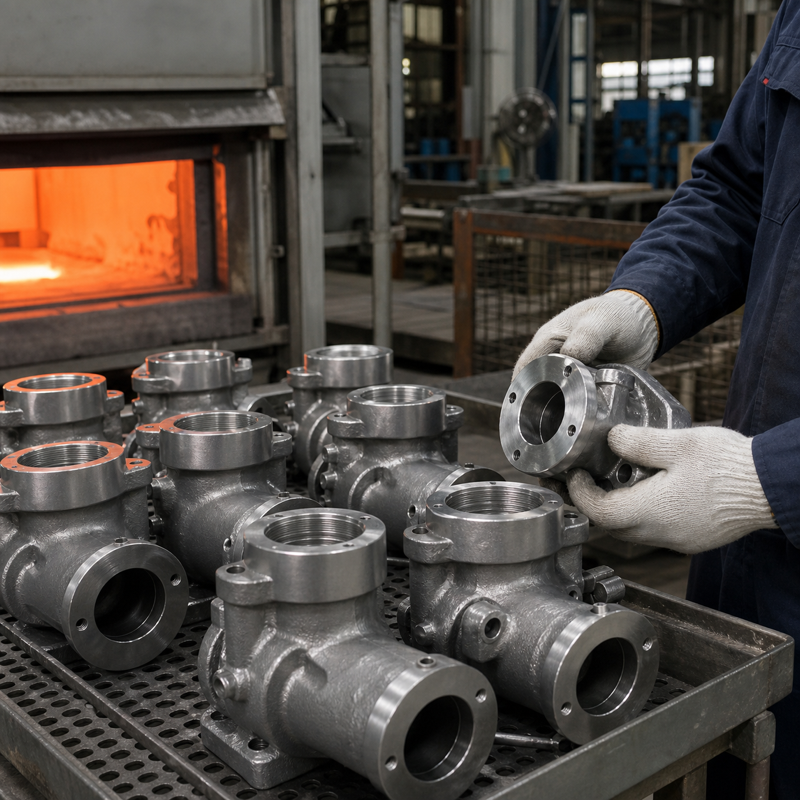
2520310S heat-resistant steelIt is widely used in high-temperature applications, especially in heat treatment furnaces, combustion equipment, conveying equipment, pump and valve connections, and some non-standard heat-resistant components. Haijin manufactures these.Investment CastingWhen doing this, we usually first look at the working temperature, stress location and subsequent processing requirements in the customer's drawings, and then determine the wax pattern, pouring and heat treatment plan, so as to control the casting allowance, deformation and surface defects as early as possible.
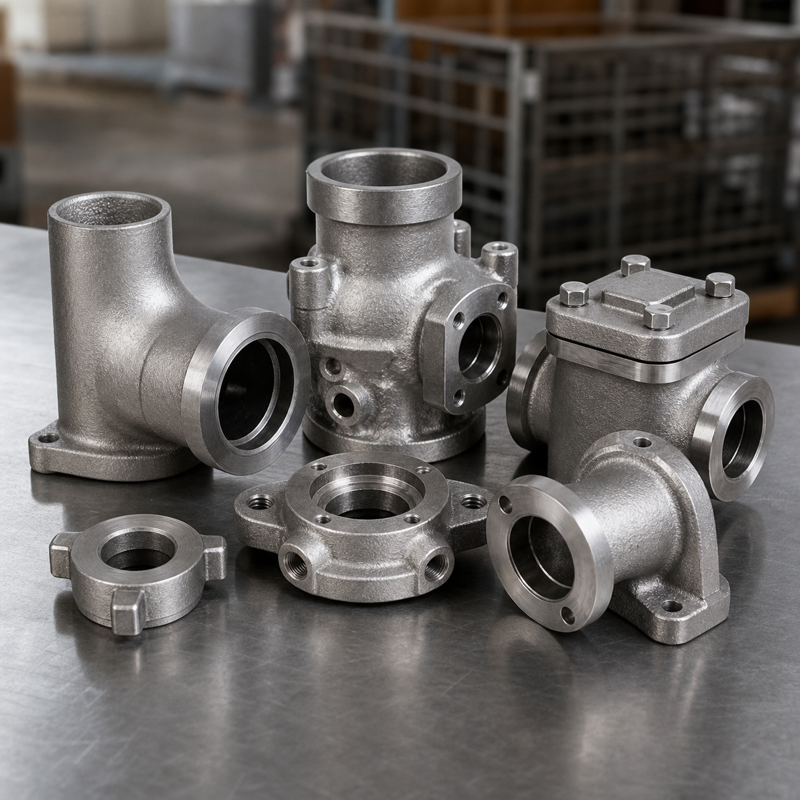
Why are 2520 and 310S suitable for making heat-resistant precision castings?
Both 2520 and 310S are austenitic heat-resistant stainless steels with high chromium and nickel content, exhibiting more stable oxidation resistance and high-temperature resistance than ordinary 304 and 316. In actual production, these materials are quite sensitive to melting temperature, casting speed, and shell strength; poor control can easily lead to shrinkage cavities, hot cracks, or localized dimensional instability. Therefore, while these castings may appear to be just parts, the details of the initial process are actually more crucial.
We pay more attention to casting dimensions, machined surfaces, and service life.
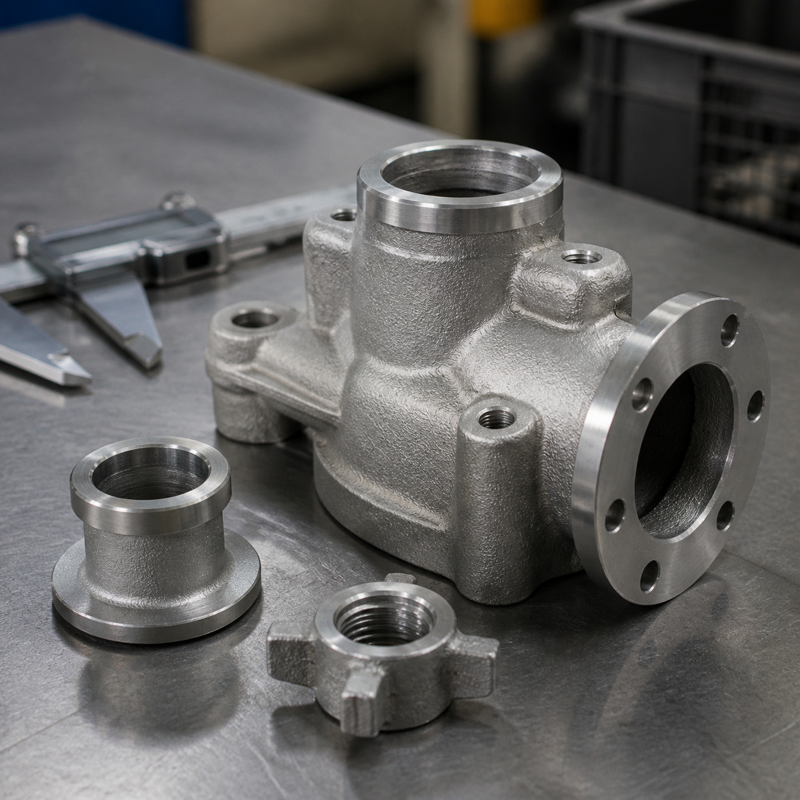
Precision casting of heat-resistant steelIt's not simply about casting the product. Areas like flange faces, sealing surfaces, mounting holes, and threaded holes often require machining or assembly later. Too much allowance in the raw material wastes material, while too little affects processing safety. Haijin marks the critical areas separately according to the drawings, and after casting, it combines shot blasting, heat treatment, machining, and inspection to ensure that the delivered parts can directly enter the customer's subsequent assembly process.
Applicable Products and Industries
Precision castings made of 2520 and 310S heat-resistant steel are commonly used in products such as furnace supports, heat-resistant trays, heat treatment tooling, burner accessories, pump and valve accessories, mechanical equipment connectors, and high-temperature components for food machinery. If the customer only has a sample, we can measure and draw according to the sample before making the mold; if there are already 3D or 2D drawings, we can directly assess the unit weight, wall thickness, quantity, and processing requirements.
We recommend providing this information before customization.
To ensure more accurate pricing and process assessment, we recommend providing product drawings, material requirements, unit weight, annual usage, whether machining is required, surface treatment, and operating temperature. If the operating conditions involve prolonged high temperatures, alternating hot and cold periods, corrosive media, or load-bearing requirements, please specify these in advance. This way, when developing precision casting solutions for 2520 and 310S heat-resistant steel, we can consider the materials, structure, and subsequent processing together, minimizing rework.
Relevant technical information and product examples
Continue to assess whether the materials, workmanship, and actual parts are suitable for your procurement needs.
- ResourcesComparison of CF8, CF8M, CF3, CF3M with 304 and 316 grades→
- Material Selection GuideHow to choose between 304, 304L, 316, and 316L stainless steel castings→
- Material comparisonWhat are the differences between CF8 and CF8M?→
- Product ExamplesStainless steel mechanical parts casting and CNC machining→
Material and operating condition confirmation
Unsure which stainless steel casting grade to choose?
Please send us drawings and the usage environment. We will take into account corrosion, temperature, strength, processing, and cost requirements to help us determine the most suitable materials and processes.
- Check common terms and casting standards.
- Determining materials by combining medium, temperature and pressure
- Simultaneous confirmation of heat treatment, testing, and certification documents
 WhatsApp: +86 158 9600 2001Scan the QR code or open WhatsApp to chat


