











Precision casting of pump and valve parts
Produce stainless steel impellers, pump bodies, pump covers, guide shells, valve bodies, and fluid connectors according to the drawings, with a focus on controlling the flow channel forming, material composition, sealing mating surfaces, and hole threads.
Custom castings for fluid transport and sealing assemblies
Different pump and valve parts have different requirements for flow channels, balance, sealing and corrosion resistance. Before quoting a price, the process will be evaluated in combination with the structure and post-processing location.
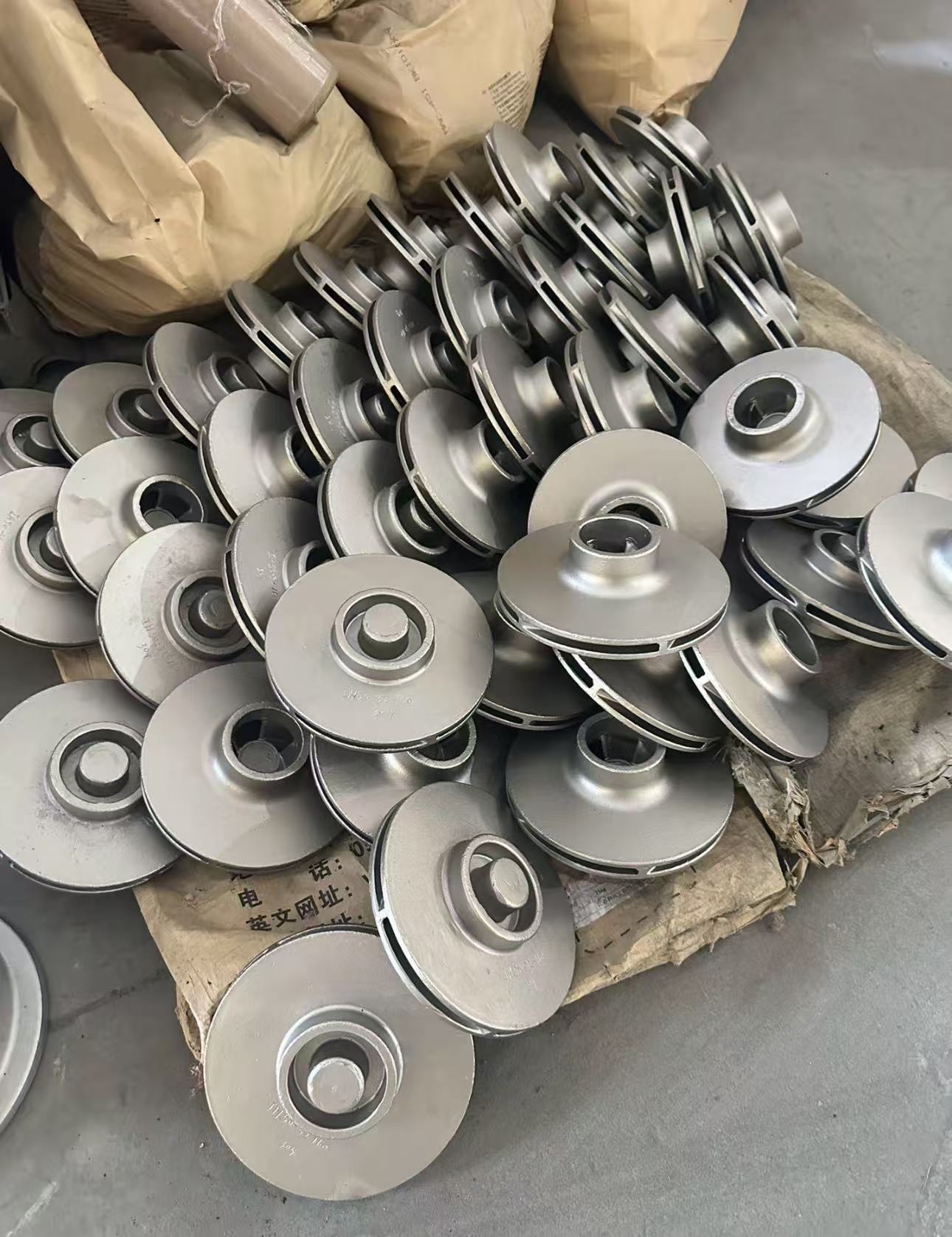
Stainless steel impeller casting
Pay attention to the blade flow channel, dynamic balance allowance, center hole, end face and critical dimension machining.
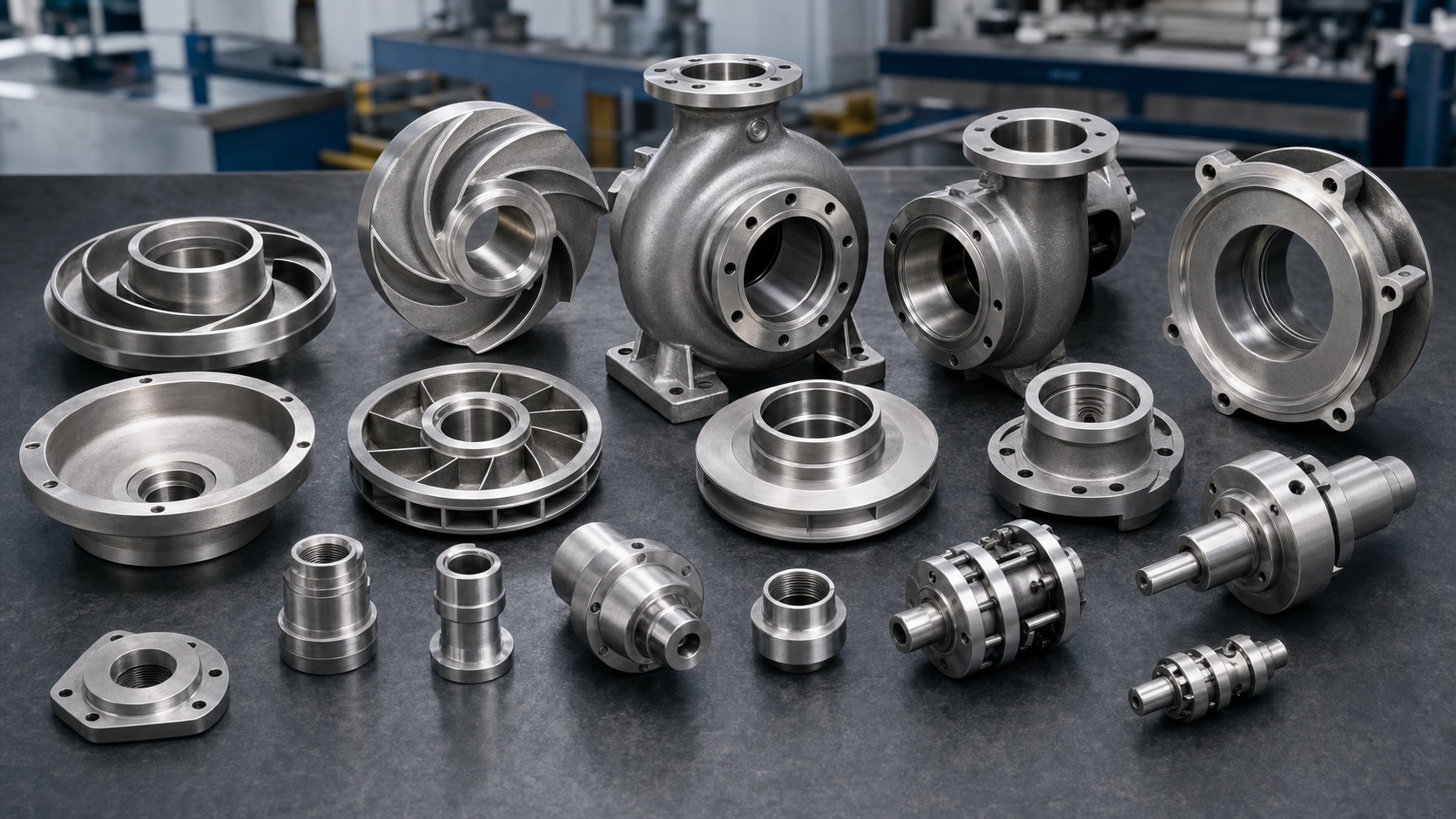
Pump casing, pump cover, guide vane
Control the wall thickness, flow channel formation, flange face, mounting holes, and sealing fit position.
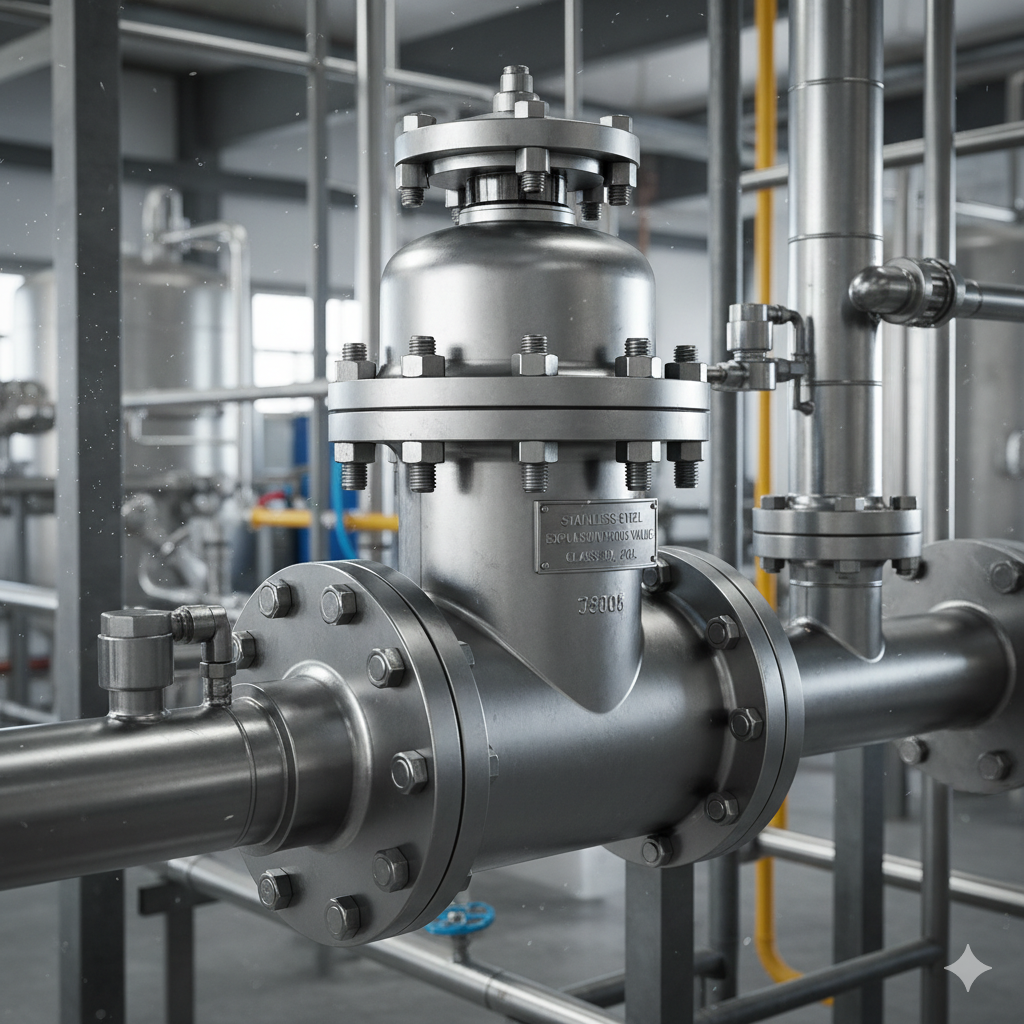
Valve body, connectors, valve accessories
Select the material according to the medium and pressure requirements, and reserve machining allowance for the sealing surface, threads and holes.
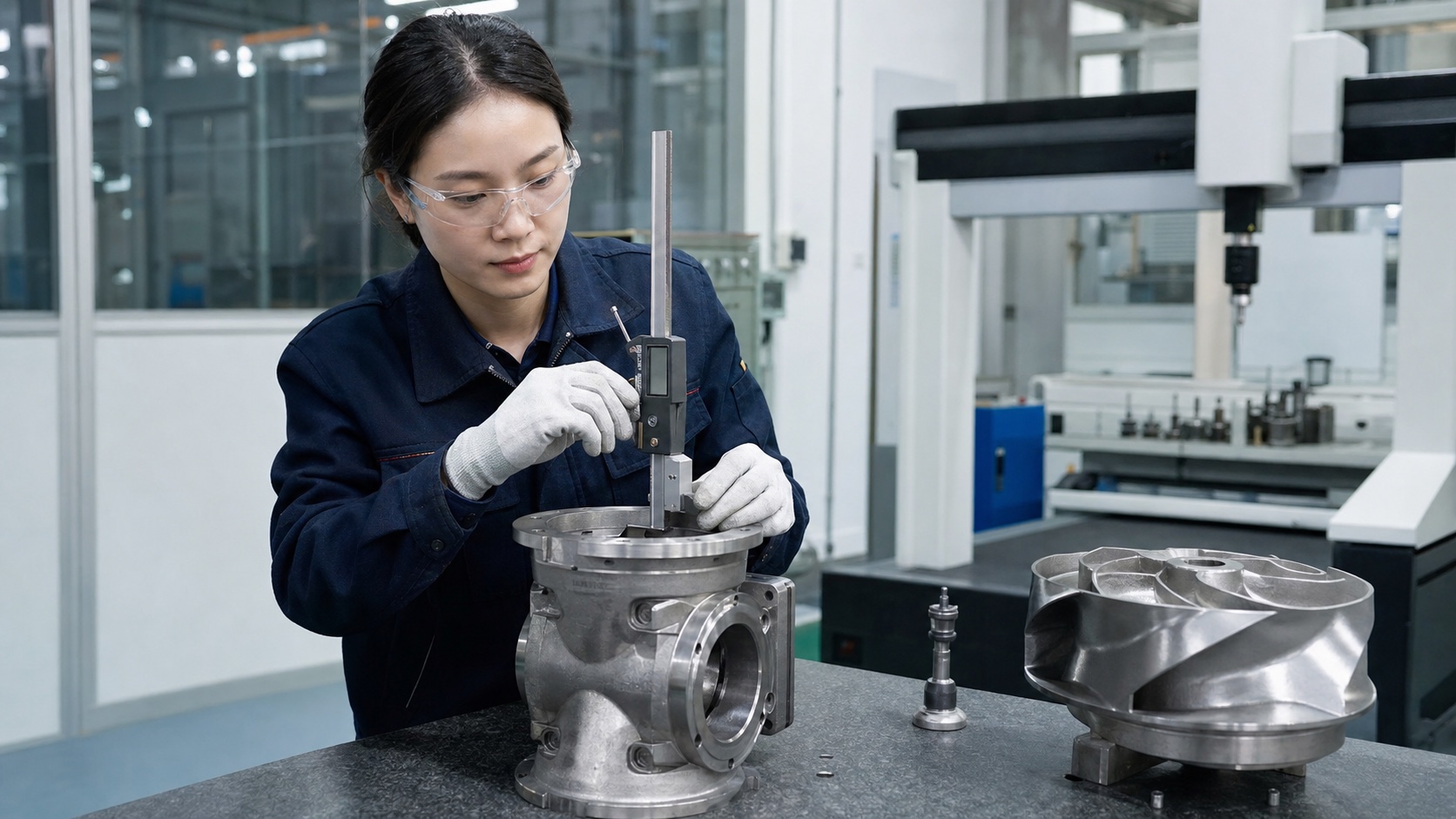
When evaluating pump and valve castings, it's not just about the appearance; assembly and fluid performance are equally important.
The process begins with confirming the casting feasibility, including wall thickness, fillet radius, parting line, machining allowance, and testing requirements, addressing issues at the mold and prototyping stages.
Select stainless steel grade based on medium, temperature, and corrosive environment.
If the material is not determined, the operating medium, temperature, pressure, and existing component failure information can be provided for engineers to assist in making a judgment.
From drawing evaluation to mass delivery, key milestones are traceable.
It is recommended to provide 2D drawings, 3D models, material specifications, quantity, testing standards, and expected delivery date.
Inspections should be organized around the assembly result, rather than just checking the appearance.
If the drawings have special standards, please specify them during the inquiry stage. The inspection items confirmed by both parties can be implemented.
Several common questions before quoting a price
Can I get an evaluation if I only have a sample or a photo?
You can provide sample photos, main dimensions, materials, and quantities for preliminary assessment; however, it is generally recommended to supplement with drawings or confirmed measurement data for formal production.
Is it possible to make only the casting blank and not perform CNC machining?
Yes. When quoting, please specify whether the delivery is a raw blank or a finished product, as well as the machining allowance, post-treatment requirements such as sandblasting, pickling, and passivation.
Can small-batch prototyping be done seamlessly with subsequent batch production?
We can proceed with the process of prototyping and verification, modification and confirmation, and then mass production. Please also provide the expected initial quantity and annual usage to facilitate the evaluation of molds and production plans.
What documents are required for a price inquiry?
We recommend providing 2D/3D drawings, material, quantity, unit weight or dimensions, tolerances, surface treatment, testing standards, and delivery date; for uncertain items, you can indicate that you need process suggestions.
With pump and valve component drawings available, proceed directly to process and quotation evaluation.
Domestic customers can add us on WeChat to send drawings or submit an online inquiry form.