











Haijin Stainless Steel
Quality control
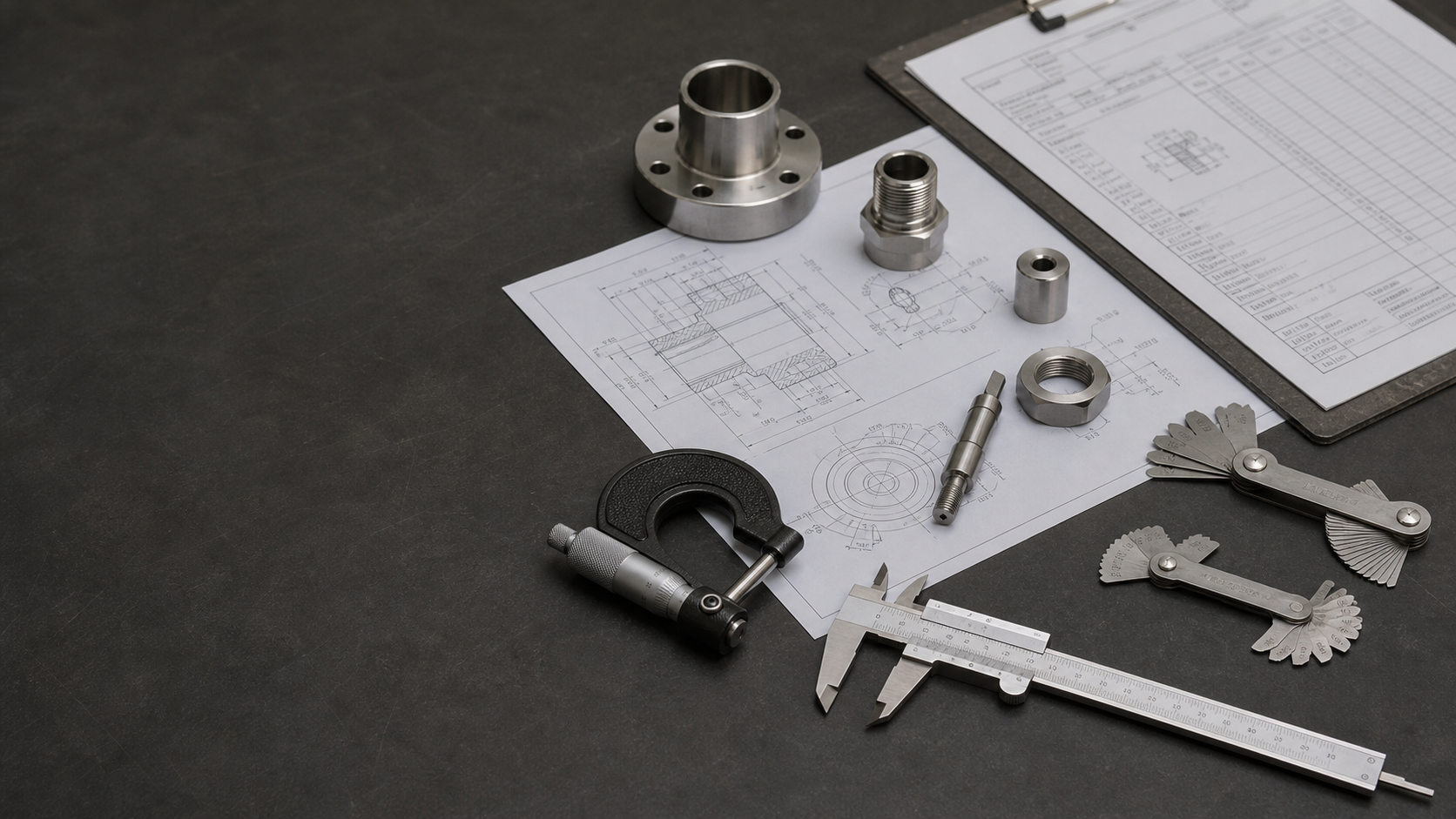
From drawing evaluation, casting inspection, CNC machining verification to pre-shipment confirmation, we reduce dimensional and assembly risks in mass production.
Haijin Stainless Steel primarily serves precision casting, CNC machining, and custom non-standard metal parts projects. We focus not only on whether the product can be manufactured, but also on whether key dimensions, holes, threads, assembly surfaces, and batch consistency meet usage requirements.
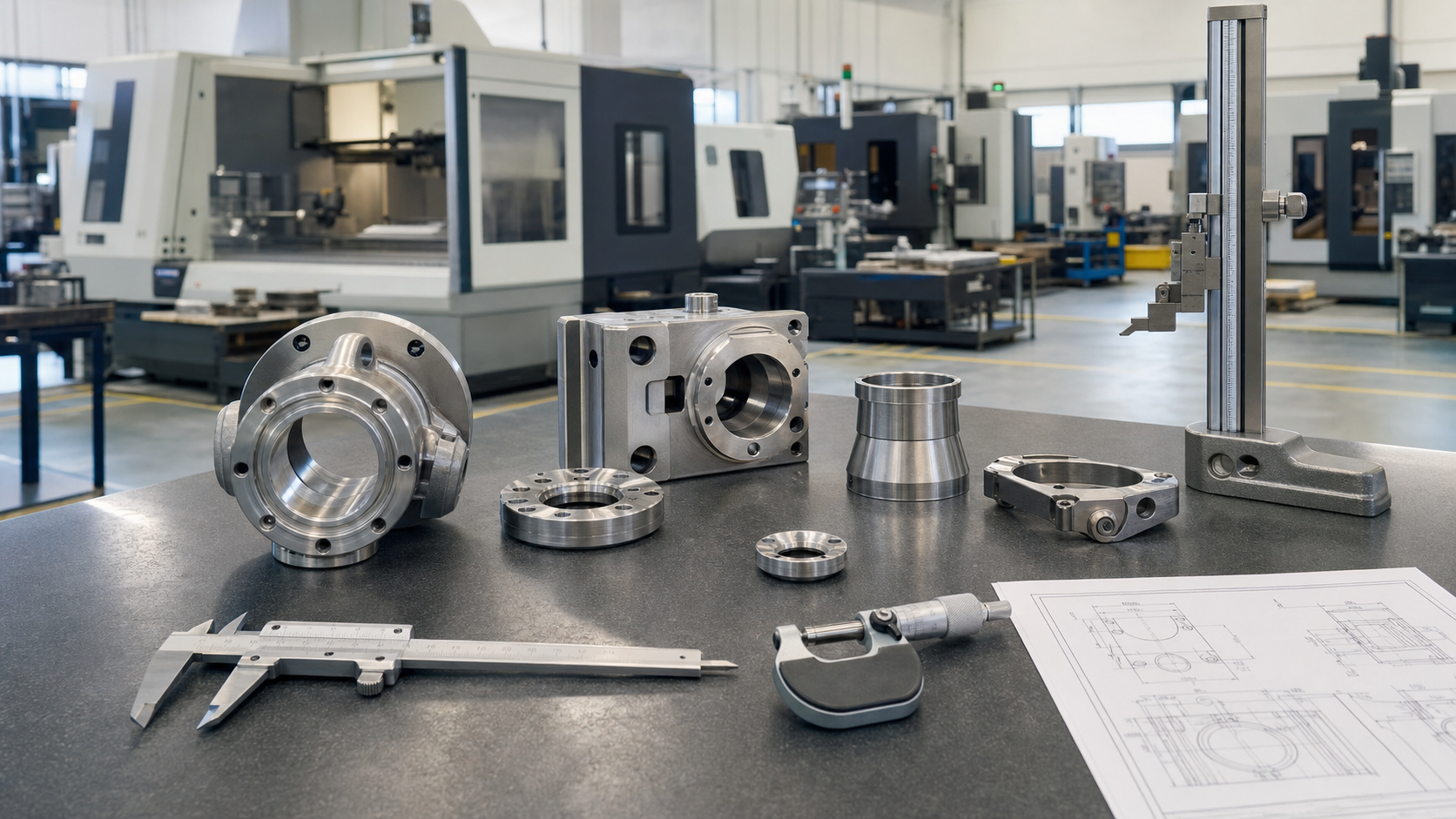
What are our key areas of control?
Each order has different requirements, and the focus of our inspection will vary depending on the drawings, intended use, and assembly location. The following items are what we repeatedly confirm during communication and production.
Drawing requirements
Confirm the material, dimensions, tolerances, threads, surface treatment, and special markings.
Key dimensions
The key areas to check are the assembly surfaces, hole spacing, outer diameter, inner diameter, thickness, and height.
Hole and Thread
Inspect through holes, countersunk holes, tapped holes, mounting holes, and threaded fits.
Casting appearance
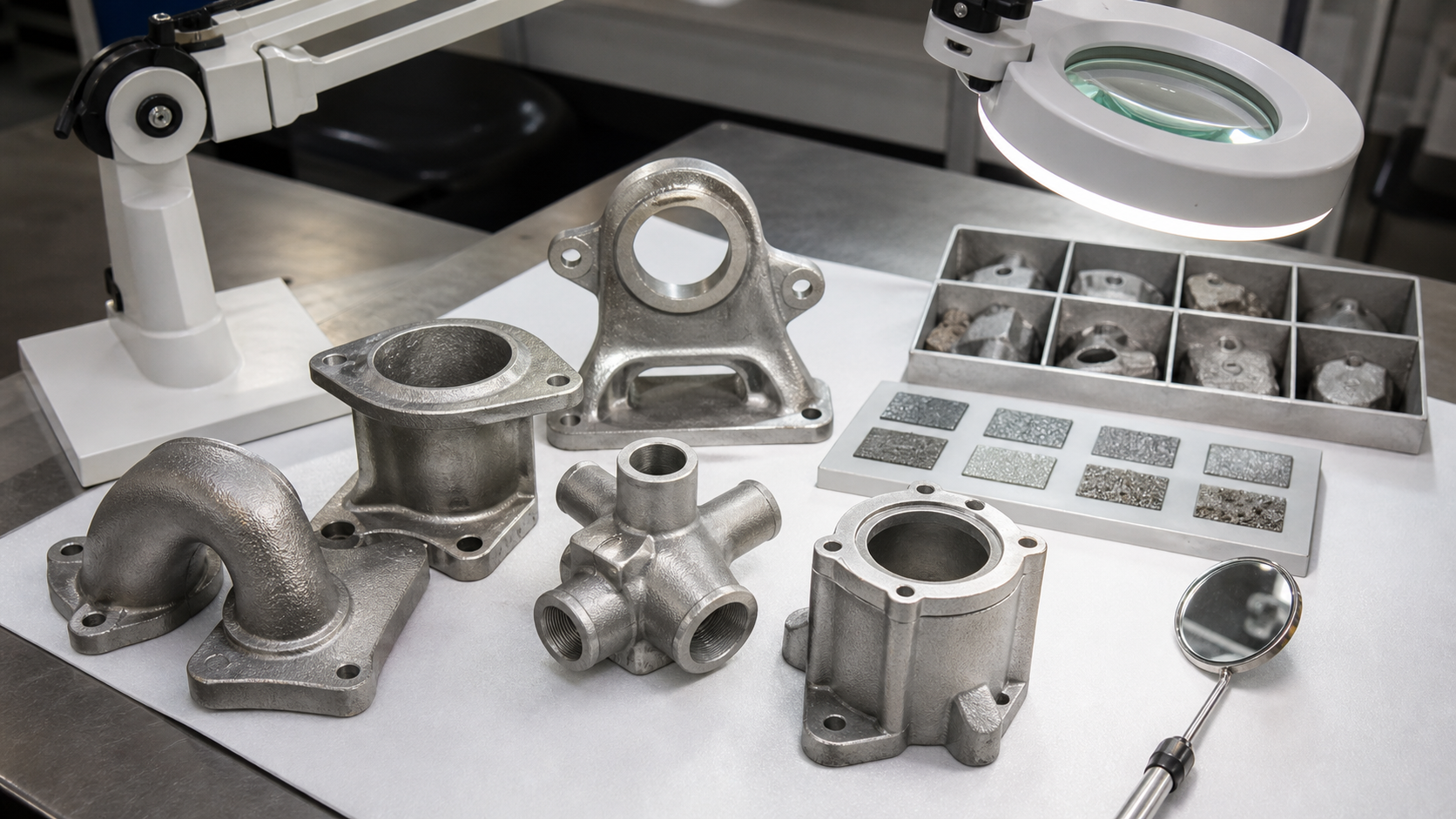
Pay attention to issues such as burrs, deformation, shrinkage cavities, pinholes, cracks, and missing material.
CNC machined surface
Check the machined surfaces, mating surfaces, flatness, and the condition of chamfering and deburring.
Pre-shipment review
Before packaging, random inspections are conducted as required to reduce misdeliveries, omissions, and obvious defects.
Common testing items
We'll first review the drawings and the intended use case to determine which dimensions and locations to inspect. For assemblies, holes, threads, and mating surfaces are usually placed earlier in the inspection list.
Size
- outer diameter/inner diameter
- Hole spacing / Hole diameter
- Thickness/Height
- flatness
- Key assembly dimensions
Structure class
- Threaded hole
- Countersunk hole
- Through hole
- chamfer
- glitch
Appearance
- Surface pinholes
- crack
- meat shortage
- Deformation
- Oxidized skin/stains
Shipment Category
- Quantity verification
- Label confirmation
- Packaging inspection
- Drawing version confirmation
- Special requirements confirmation
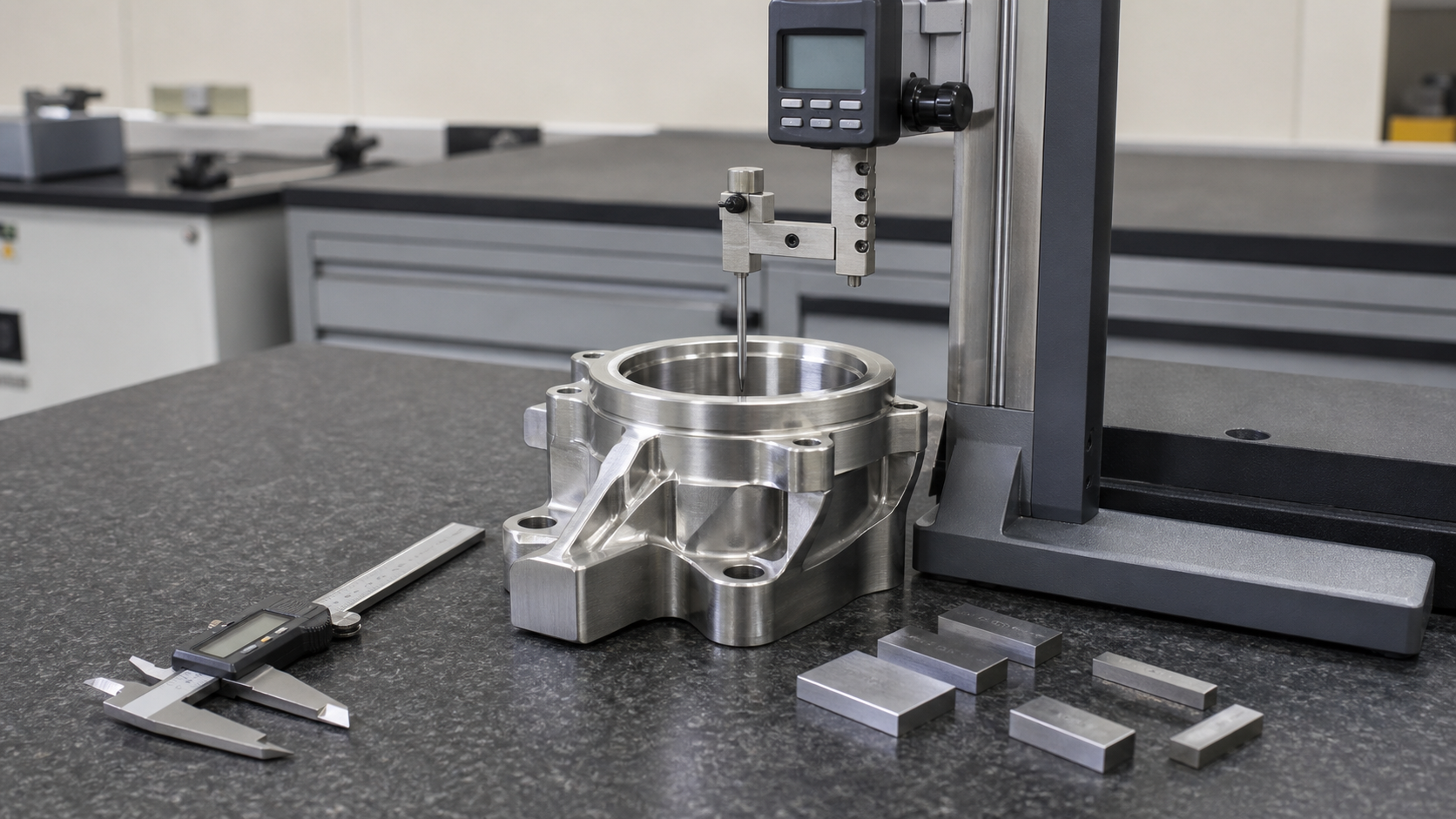
Different products require different inspection focuses.
Castings, machined parts, hardware accessories, and equipment components cannot be inspected using the same standards. We will first identify the parts that our customers will actually assemble, that will bear stress, and that will be exposed.
Stainless steel precision castings
Pay close attention to appearance defects, deformation, dimensional allowances, critical holes, and post-processing locations.
CNC machined parts
Pay close attention to dimensional tolerances, hole positions, threads, machined surfaces, chamfers, and burrs.
Architectural hardware accessories
Pay close attention to appearance, mounting holes, pre-treatment condition, and batch consistency.
Mechanical equipment parts
The focus is on verifying assembly dimensions, mating surfaces, strength requirements, and key locations.
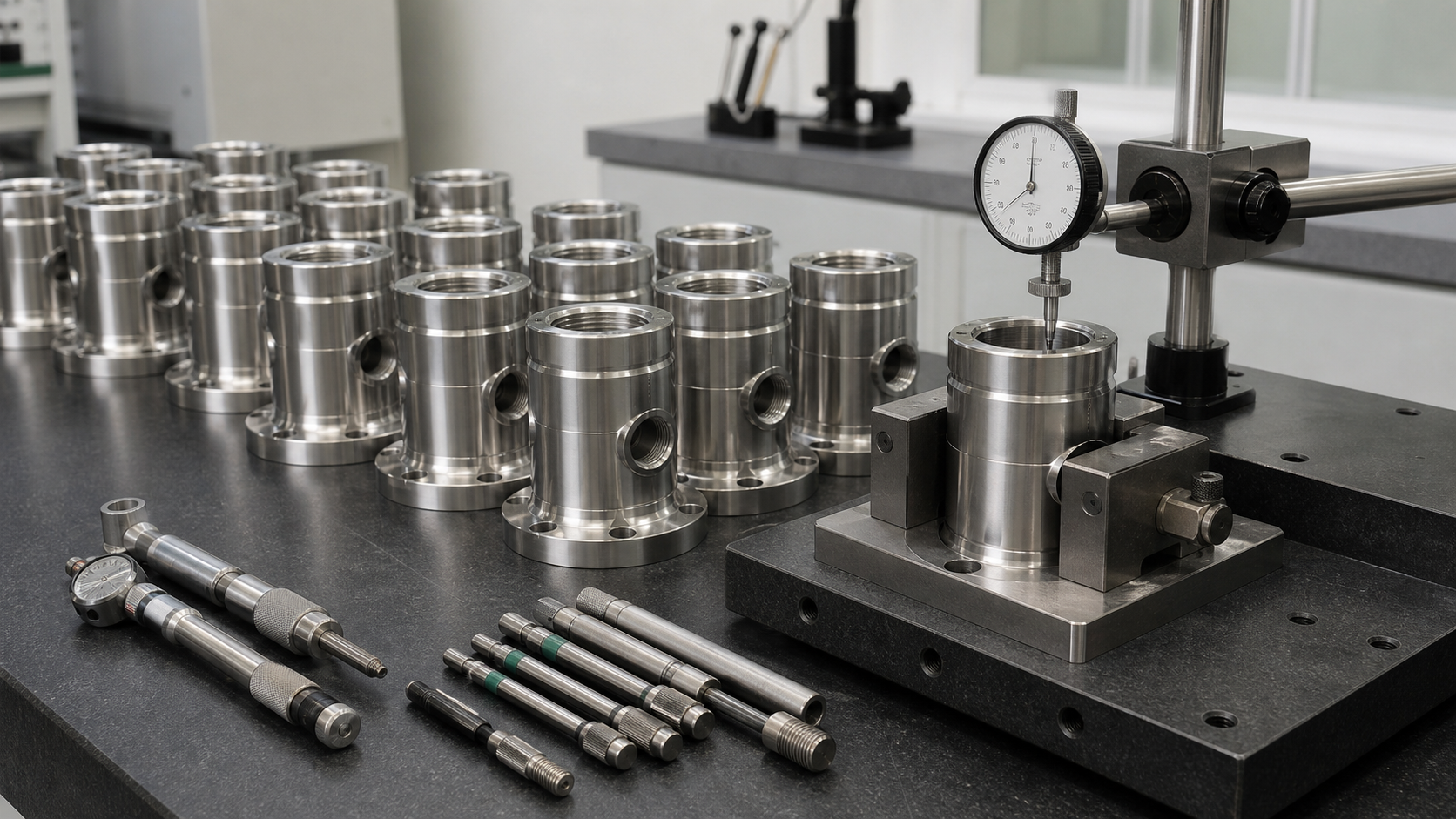
Quality control process
Quality control isn't about taking a final look. Problems that can be identified in advance should be resolved during drawing review, before production, and during processing.
Drawing review
First, confirm the materials, dimensions, tolerances, critical locations, and processing requirements.
Pre-production confirmation
Confirm the mold, blank, processing plan, and special requirements of the customer.
Process inspection
Inspect obvious defects and critical dimensions during casting, cleaning, and machining processes.
Post-processing verification
Verify the hole positions, threads, mating surfaces, and machining dimensions.
Pre-shipment inspection
Quantity, appearance, size, and packaging checks are performed according to order requirements.
Problem Feedback
Report any abnormalities promptly and do not leave obvious problems until the customer receives the goods.
It is recommended to clearly mark this information on the drawings.
- Material grade
- Critical dimensions and tolerances
- Thread specifications
- Surface roughness
- Does it require heat treatment?
- Surface treatment required?
- Assembly Relationship
- Testing standards or special requirements
For parts with dimensional requirements, it is recommended to upload the drawings directly.
Please submit the drawings, materials, quantity, intended use, and key dimensional requirements together. We will assess the requirements based on the difficulty of casting, machining, and inspection to avoid future problems caused by quoting based solely on the shape.
Related procurement portals
If you already have drawings, samples, material or quantity requirements, you can go to the corresponding page to understand the processing scope and submit your quotation request.