











I. What is stainless steel?Investment Casting
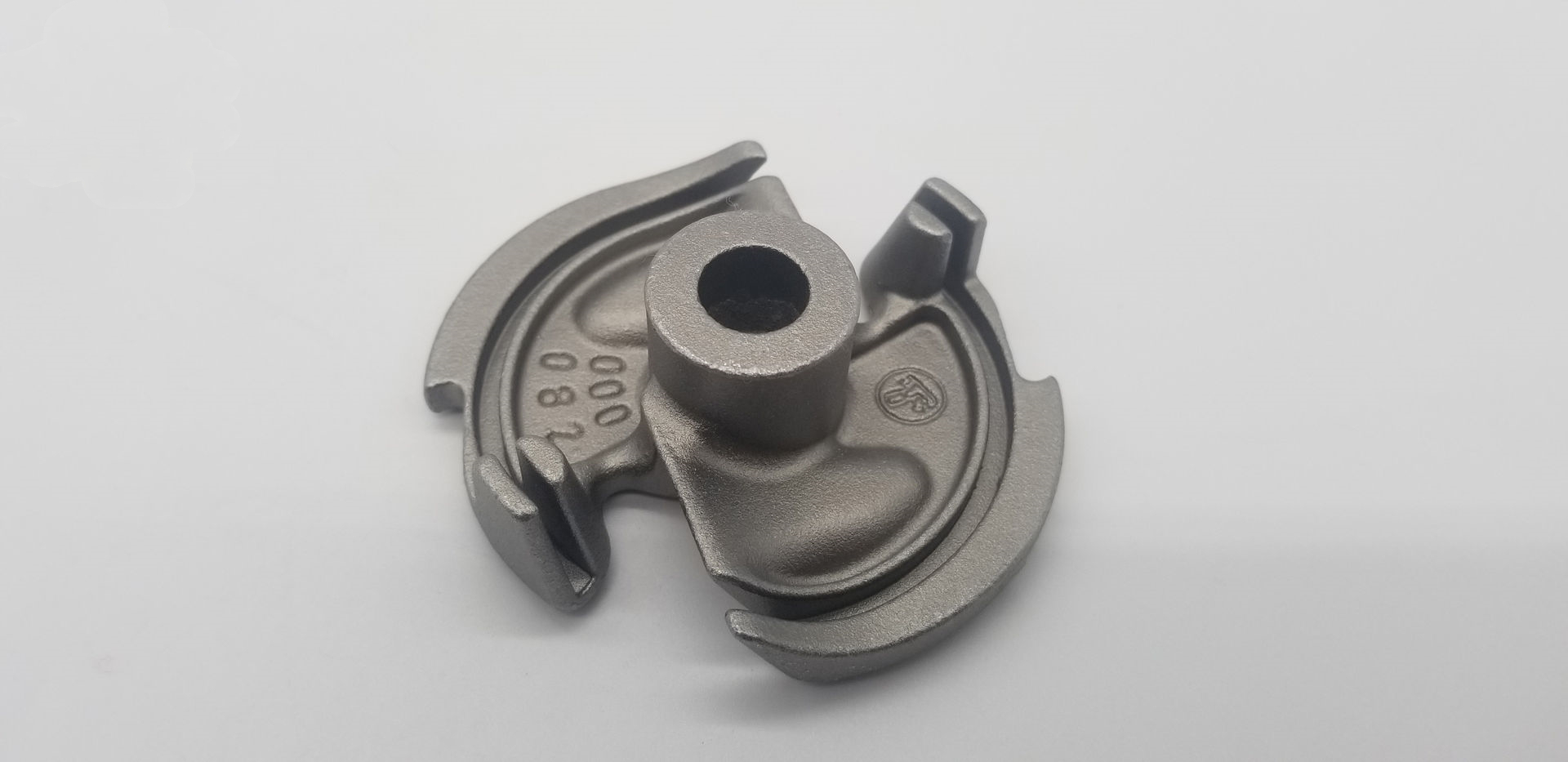
When producing stainless steel products, some products have odd shapes that cannot be produced using processes such as pipe bending. To produce these irregularly shaped products (hollow or solid inside), a process is used that involves wax molding → making sand molds → filling with liquid material to form the product.
Advantages: It can create a variety of products based on different wax molds.
Disadvantages: The precision of the formed blank is not high, and the surface roughness is relatively large.
II. Precision Casting Process Flow
1. Molds are made according to the different shapes of products. The molds are divided into upper and lower concave molds, and are completed through a combination of processes such as turning, planing, milling, etching, and EDM. The shape and size of the recess are consistent with half of the product. Because wax molds are mainly used for industrial wax pressing, aluminum alloy materials with low melting point, low hardness, low requirements, low price, and light weight are selected for the molds.
2. A large number of solid industrial wax models are produced using aluminum alloy molds. Under normal circumstances, one solid industrial wax model can only correspond to one blank product.
3. After refining the excess material around the wax model and removing burrs, attach multiple individual wax models to a pre-prepared mold head (also known as a tree assembly). This mold head is also a solid industrial wax model produced from the wax model (its shape resembles a tree).
4. After applying industrial adhesive to the multiple wax molds fixed on the mold head, evenly spray on the first layer of fine sand (a type of refractory sand, resistant to high temperatures, usually silica sand). The sand particles are very small and fine, which ensures that the final blank surface is as smooth as possible.
5. Allow the wax mold sprayed with the first layer of fine sand to air dry naturally at the set room temperature (or constant temperature), but do not affect the shape change of the internal wax mold. The natural air drying time depends on the complexity of the product itself. Generally, the first air drying time for precision castings is about 5 to 8 hours.
6. After the first sandblasting and air drying, apply industrial adhesive (silica sol) to the surface of the wax model, and then spray on a second layer of sand. The particles in the second layer should be larger and coarser than those in the first layer. After spraying the second layer of sand, allow the wax model to air dry naturally at the set constant temperature.
7. After the second sandblasting and natural air drying, proceed with the third, fourth, and fifth sandblasting processes in sequence. Requirements: – Adjust the number of sandblasting passes according to the product's surface requirements, size, and weight. Generally, 3-7 sandblasting passes are used. – The abrasive particle size varies with each sandblasting pass; typically, the abrasive particles in later passes are coarser than those in earlier passes, and the drying time also varies. The production cycle for a complete wax mold sanding process is generally about 3-4 days.
8. Before the baking process, evenly coat the wax mold that has completed the sandblasting process with a layer of white industrial latex (silica sol) to bond and solidify the sand mold and seal it, preparing it for the subsequent baking process. Additionally, the baking process increases the brittleness of the sand mold, making it easier to break the sand layer and remove the blank.
9. Baking Process: The wax model, fixed to the mold head and having undergone sandblasting and air drying, is placed in a sealed metal oven for heating (commonly a kerosene-fired steam oven). Because industrial wax has a low melting point, the temperature is approximately 150°C. The wax model melts upon heating, forming molten wax that flows out along the gate; this process is called dewaxing. After dewaxing, the wax model is simply an empty sand shell.Investment CastingThe key is to use this empty sand shell. (Generally, this wax can be reused multiple times, but it must be filtered again; otherwise, unclean wax will affect the surface quality of the blank, such as surface sand holes and pits, and will also affect the shrinkage rate of the precision casting product.)
10. Baking the sand shell: To make the dewaxed sand shell more solid and stable, it must be baked before pouring in the stainless steel. This is usually done in a furnace with a very high temperature (around 1000°C).
11. Pour the stainless steel liquid, which has been melted into a liquid state at high temperature, into the sand shell after the wax has been removed. The liquid stainless steel liquid will fill the space where the wax mold was formed until it is completely filled, including the middle mold head.
12. Because different materials may be mixed into the stainless steel boiler, the factory must test the percentage of each material. Then, adjustments are made according to the required proportions, such as adding certain elements to achieve the desired effect.
13. After the liquid stainless steel cools and solidifies, the outermost sand shell is broken up with the help of mechanical tools or manual labor to expose the solid stainless steel product, which is the shape of the original wax mold, and is the final blank required. Then, each part is cut, separated, and roughly ground to become a single blank.
14. Inspecting blanks: Blanks with sand holes or air holes on the surface must be repaired by argon arc welding. Severe ones should be scrapped, cleaned, and remelted.
15. Cleaning the blanks: Blanks that have passed inspection must undergo a cleaning process.
16. Proceed to other processing steps until the finished product is obtained.
Relevant technical information and product examples
Continue to assess whether the materials, workmanship, and actual parts are suitable for your procurement needs.
- Process ComparisonHow to choose between silica sol process and water glass process?→
- Process ComparisonWhat are the differences between precision casting and powder metallurgy?→
- Quality requirementsPrecision casting surface roughness and polishing treatment→
- Product ExamplesCNC machining of industrial and mechanical parts casting→
Manufacturing process evaluation
We need to determine which manufacturing process is suitable for this part.
Please provide the structure, material, quantity, key dimensions, and surface requirements. We will conduct an evaluation based on precision casting, post-processing, CNC machining, and inspection.
- Assess wall thickness, fillet radius, and molding risks.
- Confirm casting allowance and post-machining location
- Select process based on quantity, quality and delivery time.
 WhatsApp: +86 158 9600 2001Scan the QR code or open WhatsApp to chat


