










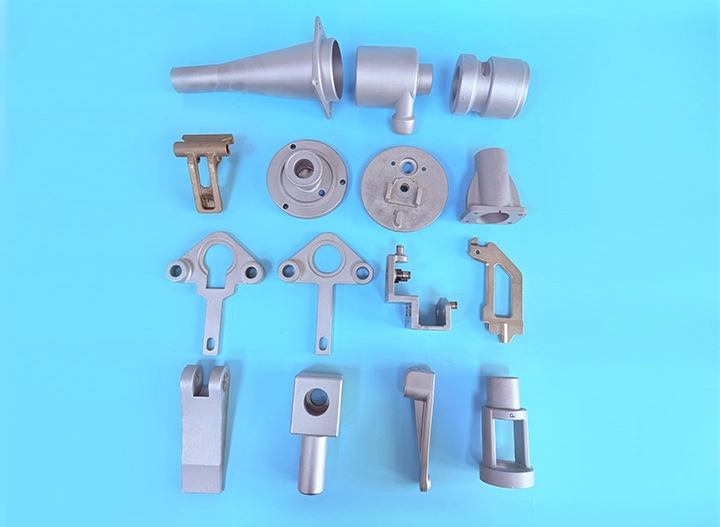
Casting and CNC Machining of Industrial and Mechanical Parts: A Duet of Precision Manufacturing
In the field of modern industry and machinery manufacturingCasting与CNC (Computer Numerical Control) MachiningThese are two complementary and indispensable core technologies. Casting technology provides blanks for parts with complex shapes, while CNC machining enables high-precision and high-efficiency fine forming. The combination of the two ensures that industrial and mechanical parts meet stringent requirements in terms of performance, dimensional accuracy, and surface quality.
Casting: The starting point of industrial parts
CastingIt is one of the fundamental processes for manufacturing industrial and mechanical parts. It involves pouring molten metal into a pre-made mold, which then solidifies to obtain a casting with a specific shape and size. Its main advantage lies in its ability to produce parts with complex shapes, especially components with internal cavities or irregular shapes, which is difficult to match with other processing methods.
Common casting methods for industrial and mechanical parts include:
- Sand casting: It has a low cost and is suitable for producing large, simple-shaped castings, such as machine tool beds and large housings.
- Investment Casting(Investment casting/Lost-wax casting): Capable of producing complex small parts with high dimensional accuracy and good surface finish, such as valve bodies,impellerHydraulic components, etc. These are particularly important in fields such as aerospace and medical devices where extremely high precision and performance are required.
- Die casting: It is suitable for mass production of small, thin-walled, and high-precision non-ferrous metal alloy parts, such as automotive engine parts and electronic product housings.
- Metal mold casting (gravity casting/low-pressure casting): It lies between sand casting and die casting, and can produce small and medium-sized castings with better performance.
Casting gives parts their basic geometry and internal structure, but it also has some inherent limitations, such as relatively low surface roughness and dimensional accuracy, as well as the possibility of internal defects (such as porosity and shrinkage cavities). This leads to the importance of CNC machining.
CNC machining: imparting high precision and refinement to parts
CNC MachiningThis refers to the process of machining parts using computer-controlled machine tools. Through pre-programmed instructions, it precisely controls the movement trajectory, feed rate, and depth of cut of the cutting tool, thereby achieving high-precision cutting, drilling, milling, turning, and other operations on casting blanks.
The role of CNC machining in the manufacturing of industrial and mechanical parts is mainly reflected in:
- Achieving high dimensional accuracy and geometric tolerances: After CNC machining, the casting blanks can achieve micron-level dimensional accuracy and extremely high geometric tolerances, ensuring perfect fit and assembly between parts. This is crucial for key components such as engines, transmissions, and precision bearings.
- Improve surface quality: CNC machining can transform the rough surfaces of castings into smooth, flat working surfaces, improving the wear resistance, sealing performance, and fatigue strength of parts. For example, valve sealing surfaces and bearing housing bores require extremely high surface finishes.
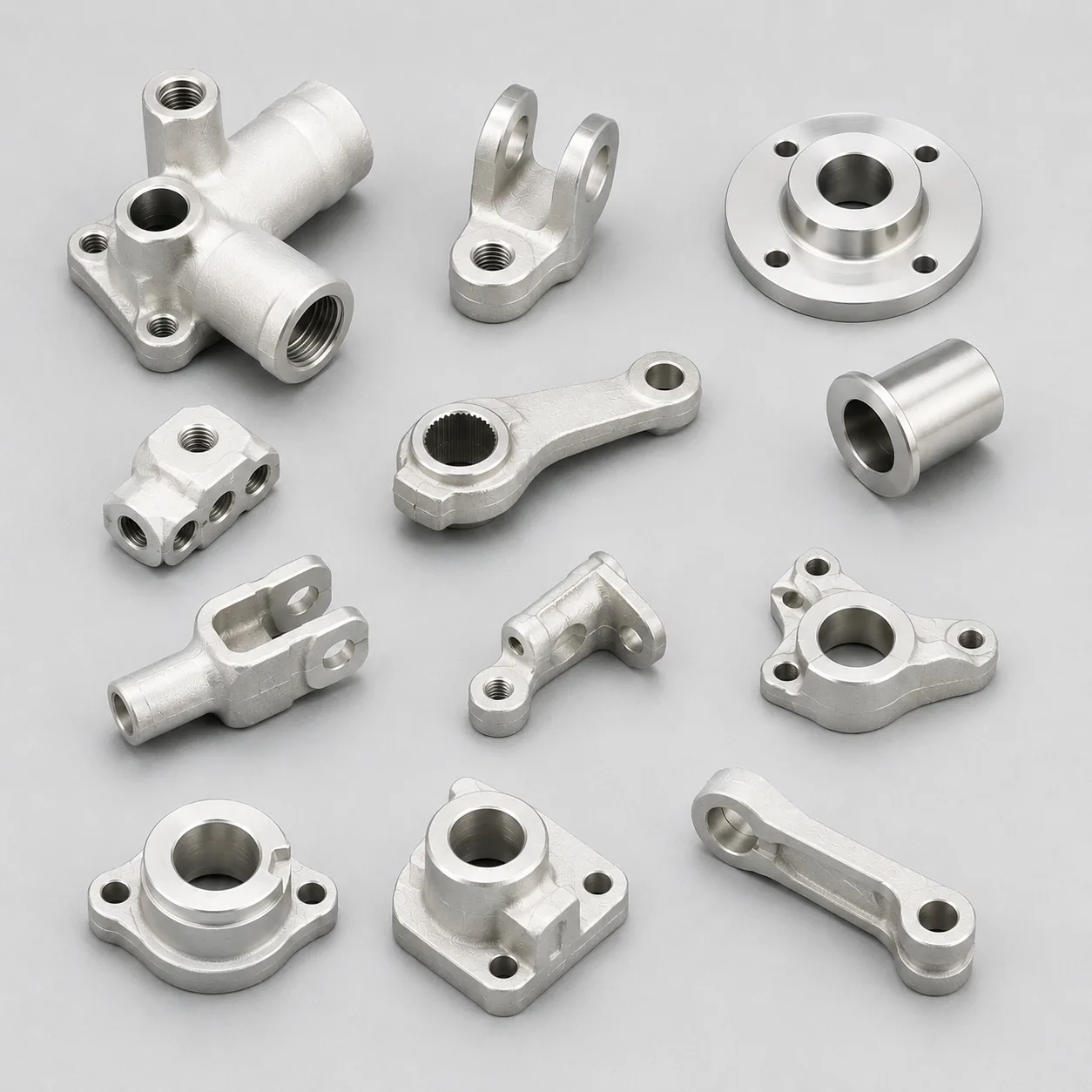
- Processing complex features: For threaded holes, keyways, complex curved surfaces, or irregularly shaped structures requiring further machining after casting, CNC machine tools can easily handle them, achieving automated and highly efficient machining.
- Improve production efficiency and consistency: CNC machining is highly automated and repeatable. Once the program is set, it can continuously and stably produce large batches of high-precision parts, greatly improving production efficiency and ensuring product quality consistency.
- To compensate for casting defects: CNC machining can remove burrs and flash from the surface of castings and repair or prevent minor casting defects from affecting the performance of parts.
Synergistic effect of casting and CNC machining
Casting and CNC machining are not independent processes, but rather closely integrated and interdependent:
- Casting provides near-net-shape blanks: Casting technology can form most metals into blanks that are close to their final shape in one step (i.e., "near-net-shape" casting), which greatly reduces the cutting allowance of CNC machining, and reduces material consumption and machining time.
- CNC machining improves final quality: The dimensional accuracy and surface quality of castings often cannot directly meet the requirements of the final product. CNC machining is precisely to make up for this gap and transform castings into high-precision, high-performance finished parts.
- Optimize costs and efficiency: For many complex parts, cutting them entirely from solid bars or sheets using CNC machining would result in significant material waste and high processing costs. Instead, the optimal solution is to first obtain the complex shape through casting, and then refine the critical dimensions and surfaces using CNC machining. This approach balances cost, efficiency, and performance.
Typical application examples
- auto industry: The engine block, cylinder head, and gearbox housing are roughly shaped by casting, and then precision machining of cylinder bores, valve seats, mounting holes, and mating surfaces is completed by CNC machining.
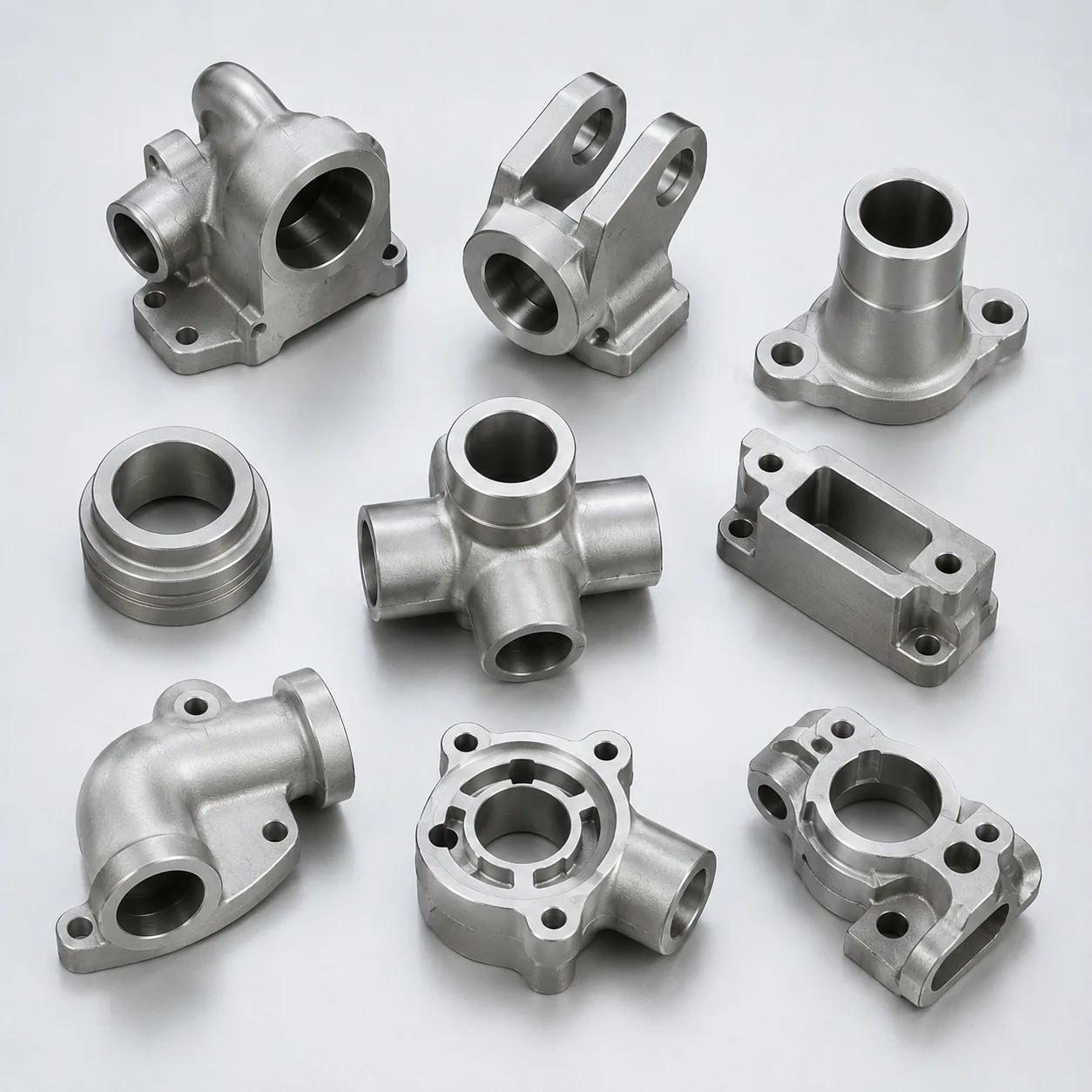
- Construction machinery: Large and complex components such as hydraulic valve bodies, pump bodies, and transmission boxes are first produced by sand casting or precision casting, and then key dimensions are precision machined by large CNC machine tools.
- Aerospace: High-performance parts such as turbine blades and structural supports are often precision cast to obtain complex blade profiles or lightweight structures, and then five-axis CNC machining is used to achieve ultra-high precision and surface integrity.
- General Machinery: Various gearboxes, pumps, valves, motor housings, tooling fixtures, etc., all rely on the coordinated efforts of casting and CNC machining.
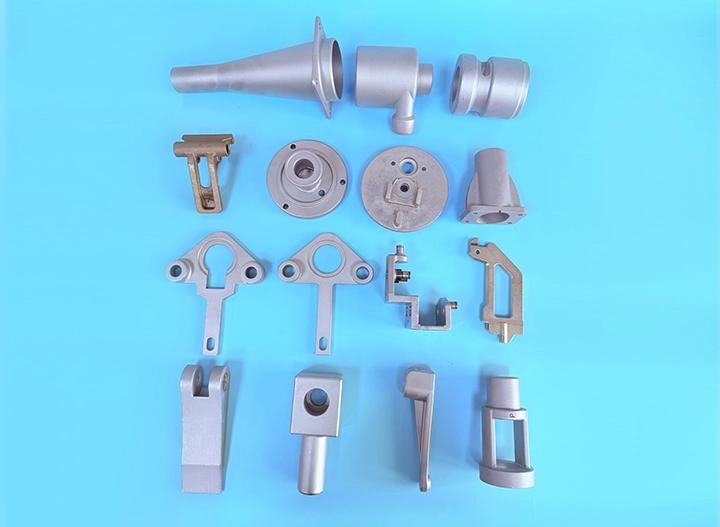
all in all,CastingIt provides the macroscopic forming capability and material property basis for industrial and mechanical parts, whileCNC MachiningThis endows these parts with impeccable dimensional accuracy, surface quality, and functionality. The two complement each other, forming the core pillar of modern industrial precision manufacturing, driving technological progress and product upgrades across all industries.
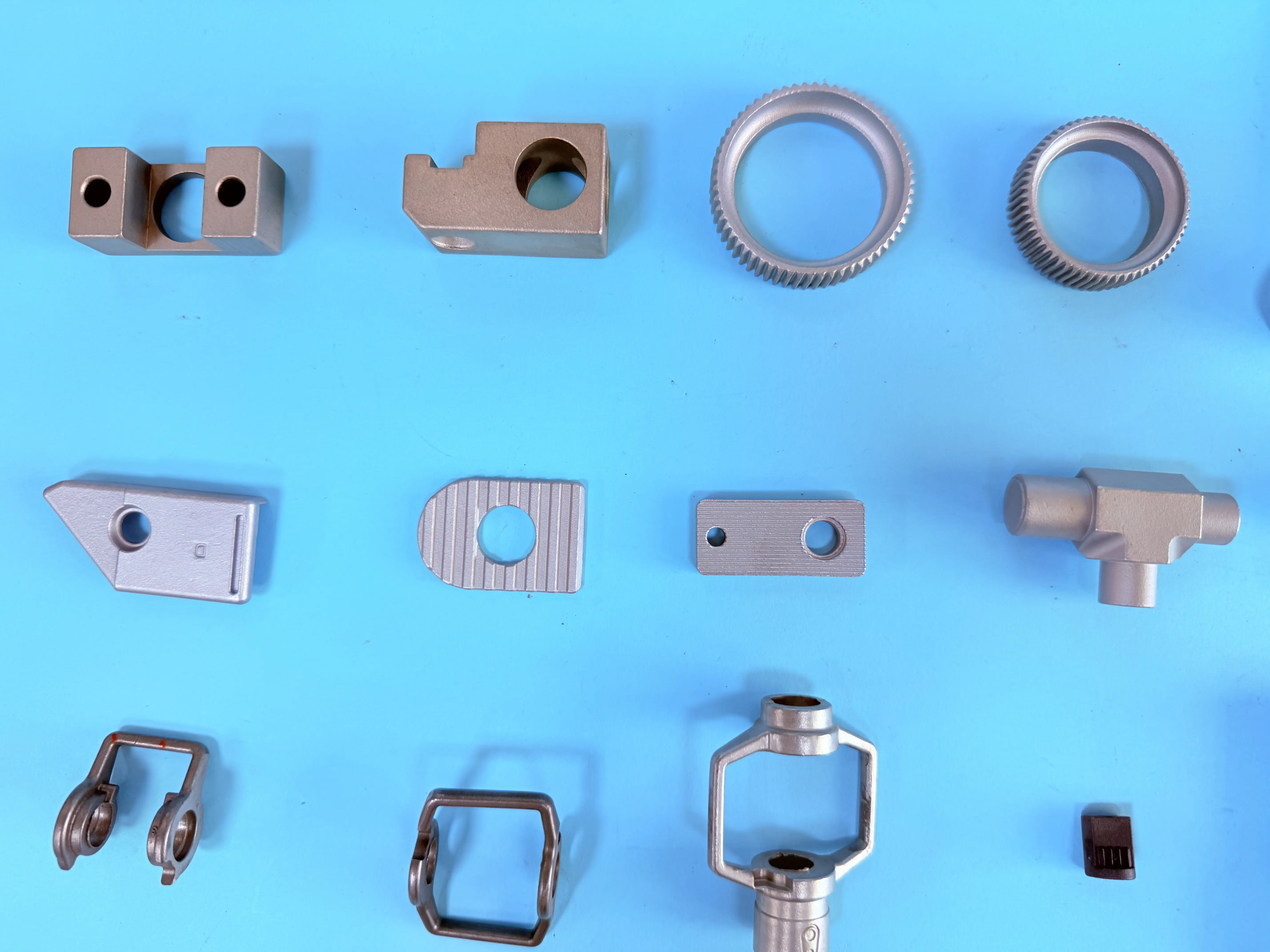
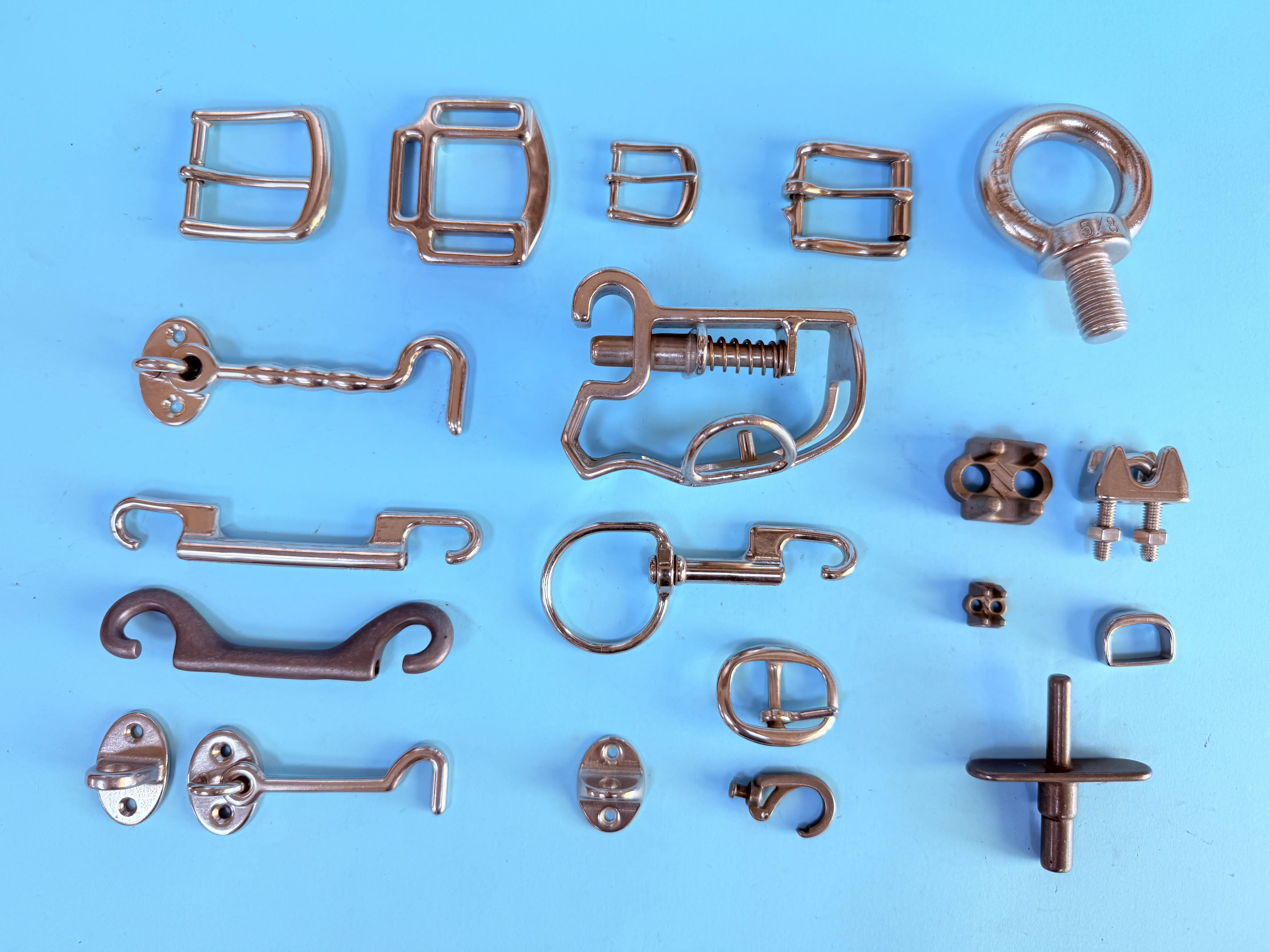
Relevant technical information and product examples
Continue to assess whether the materials, workmanship, and actual parts are suitable for your procurement needs.
- Tolerance dataComparison of CNC Machining Tolerance Standards and Selection→
- Tolerance dataInternational tolerance standard for CNC machining: ISO 2768→
- Surface requirementsComparison of Ra, Ry, Rz with polishing treatment→
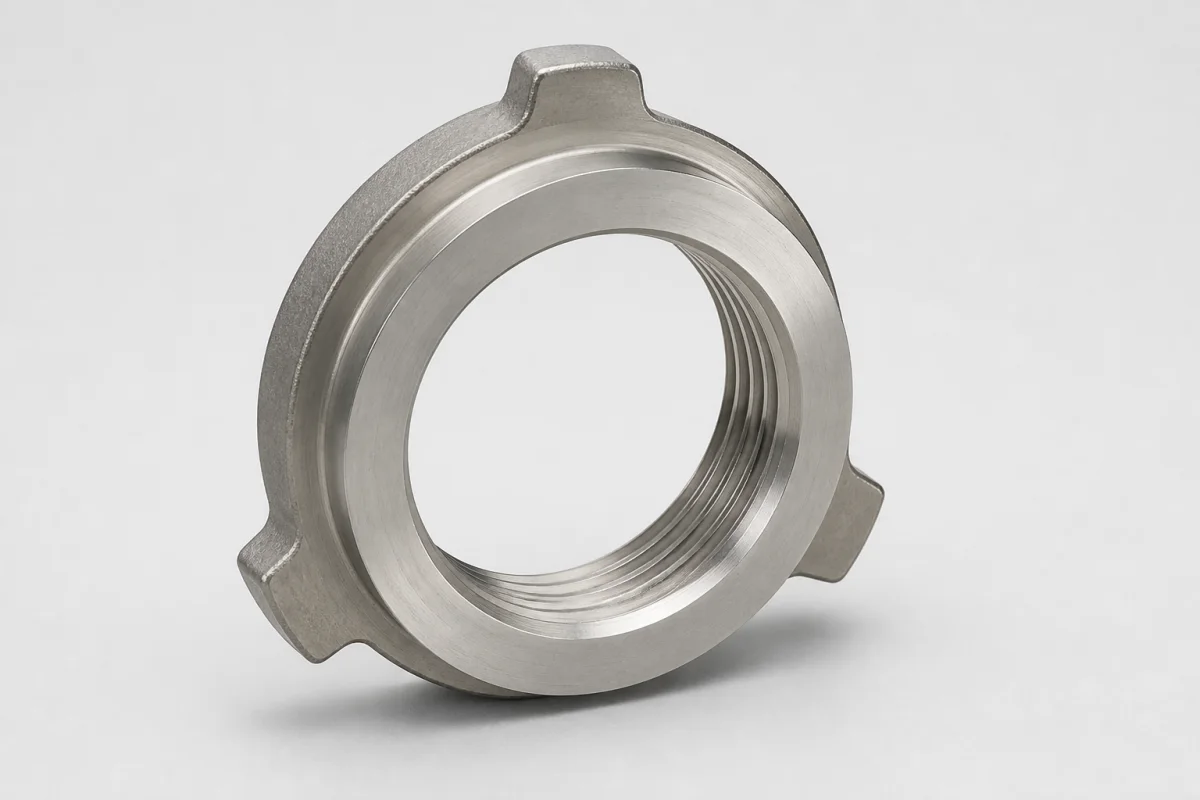
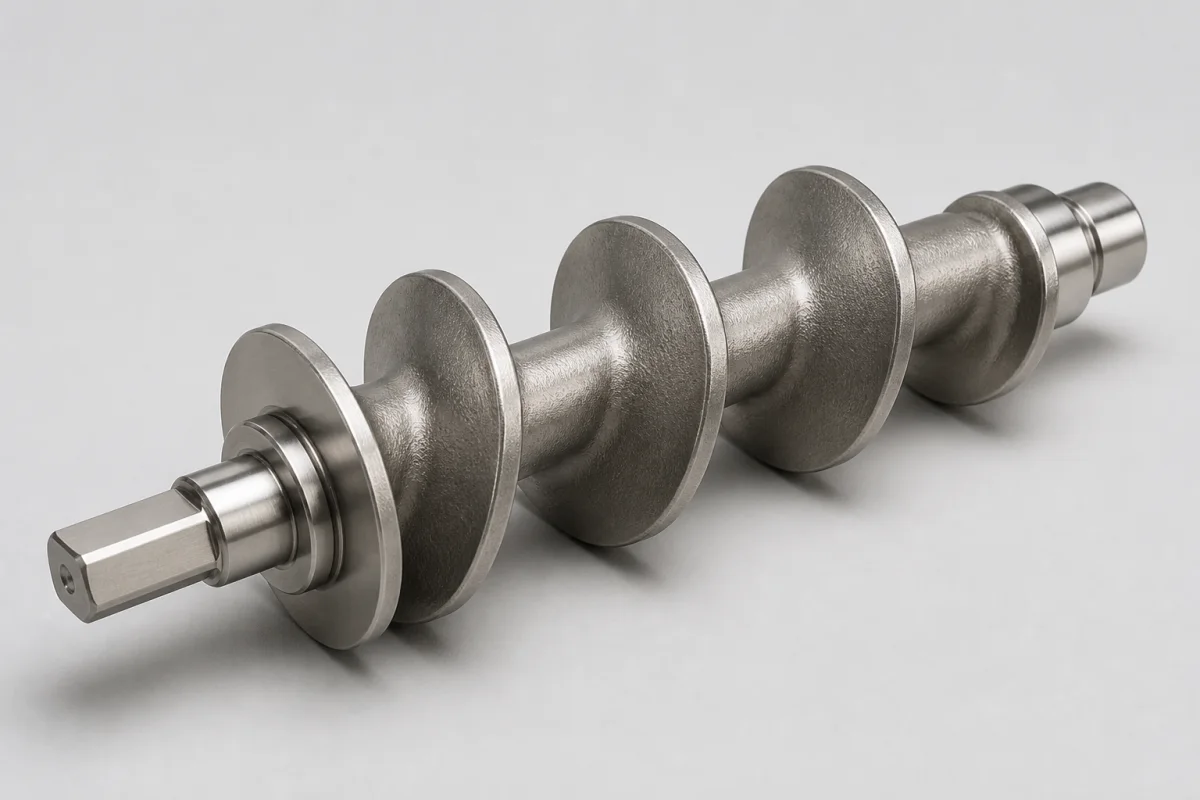
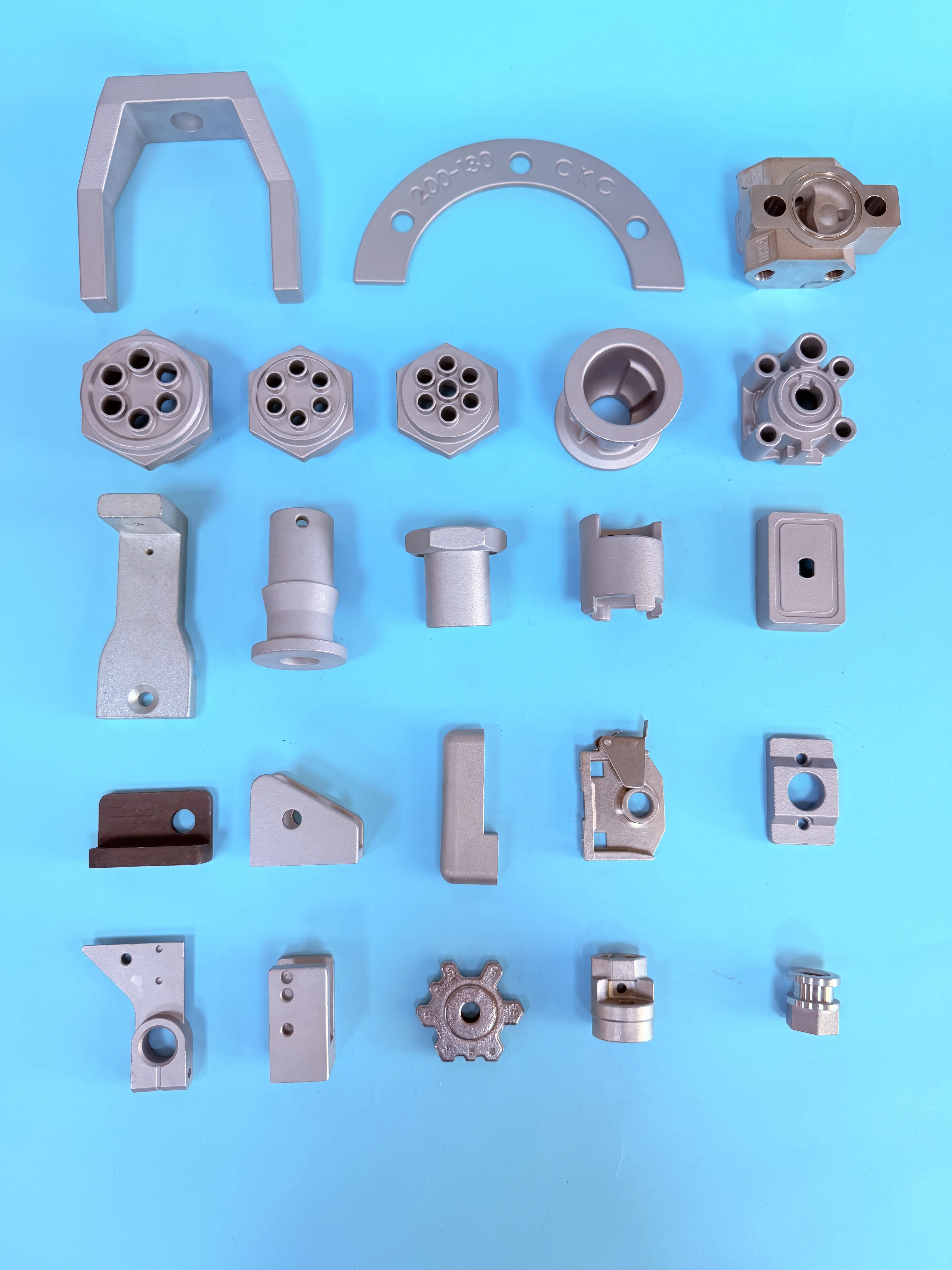
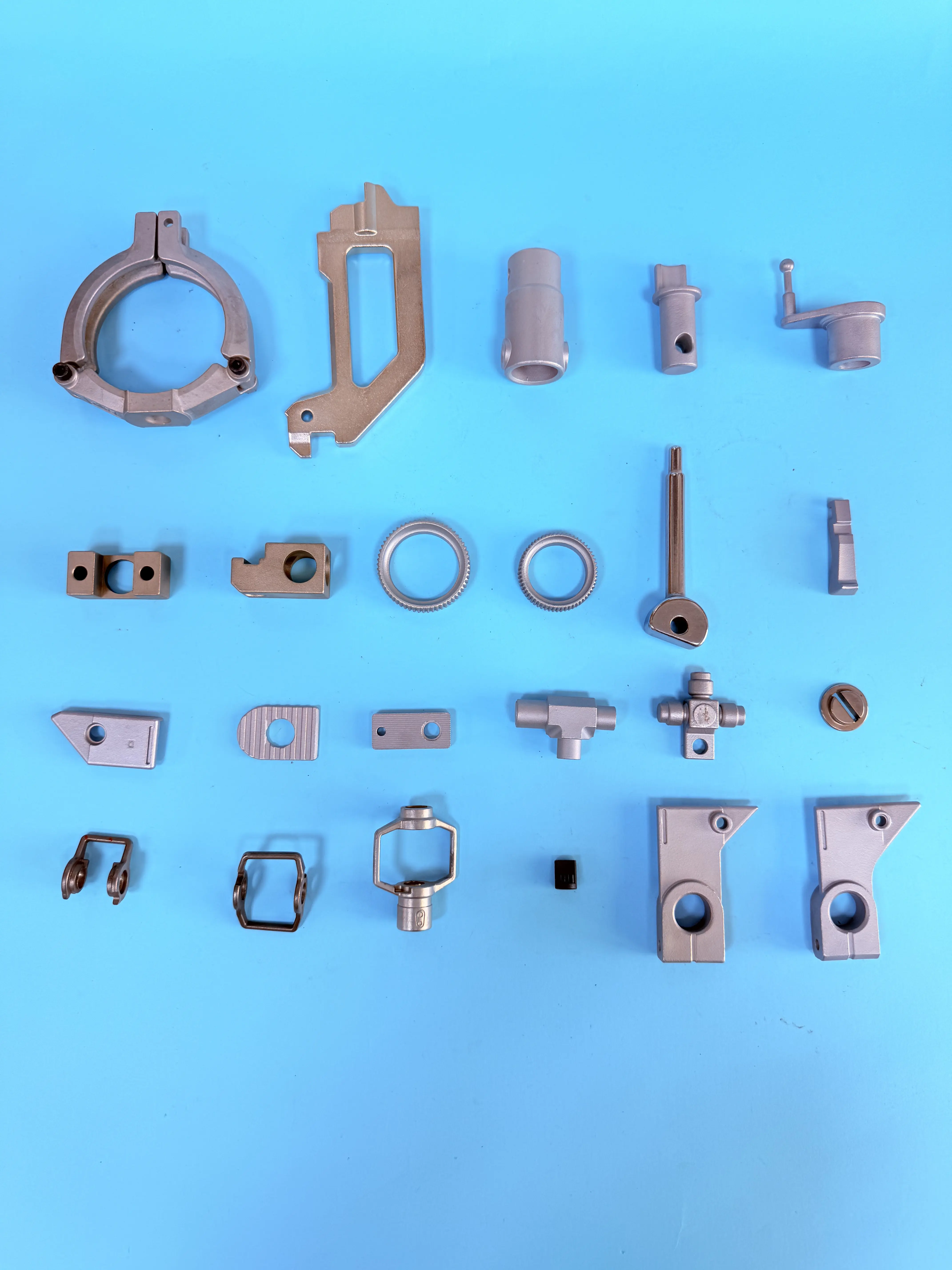
- Product ExamplesCNC machining of stainless steel precision casting mechanical parts→
Size and processing assessment
Are there any critical dimensions or CNC machining requirements?
Please provide drawings, materials, quantities, and key tolerances. We will conduct an evaluation based on the condition of the blank, clamping method, processing steps, and inspection requirements.
- Confirm machining datum and clamping method
- Evaluate hole positions, threads, and mating surface tolerances.
- Coordinate casting blanks with CNC machining allowances
 WhatsApp: +86 158 9600 2001Scan the QR code or open WhatsApp to chat