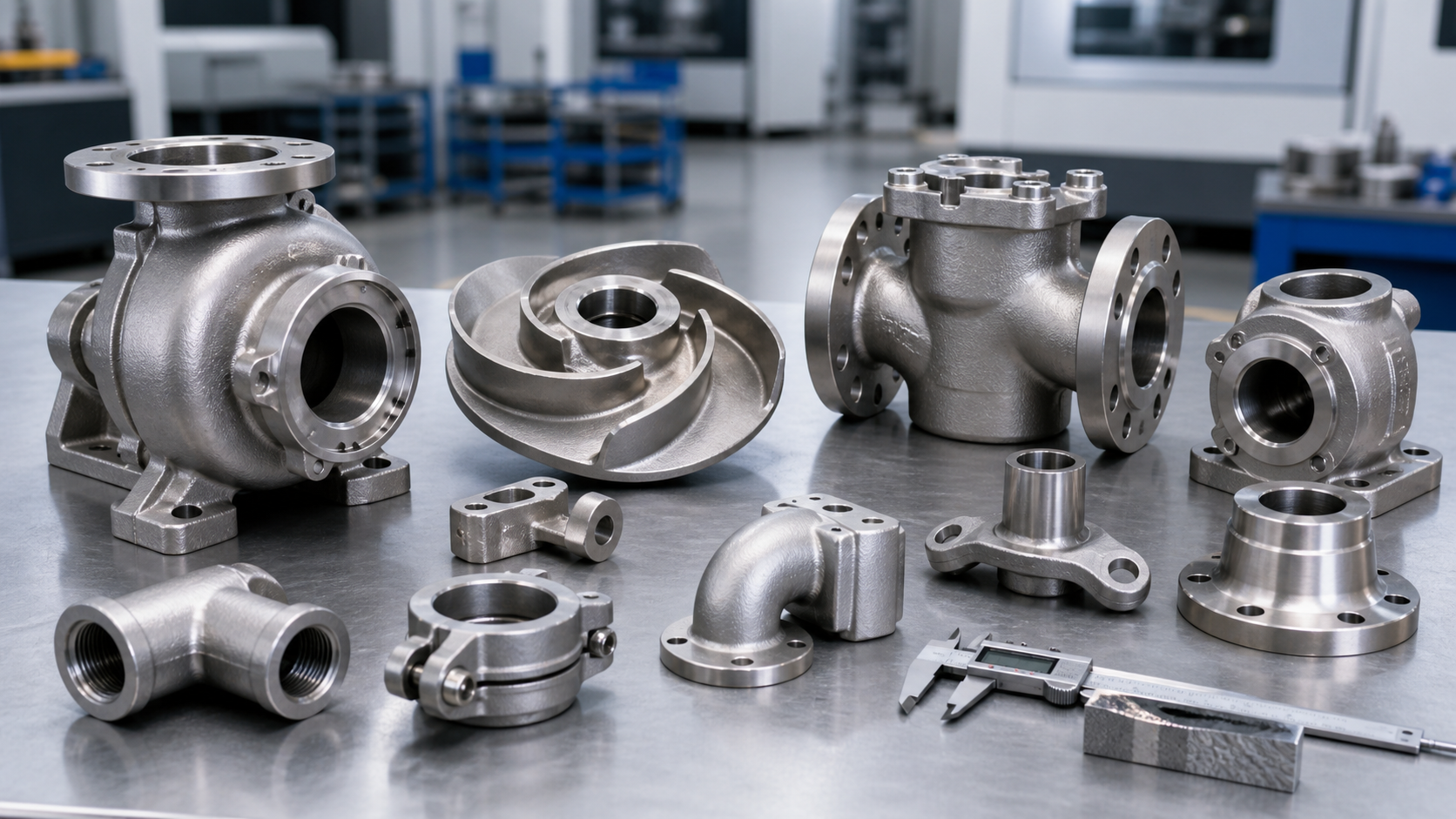











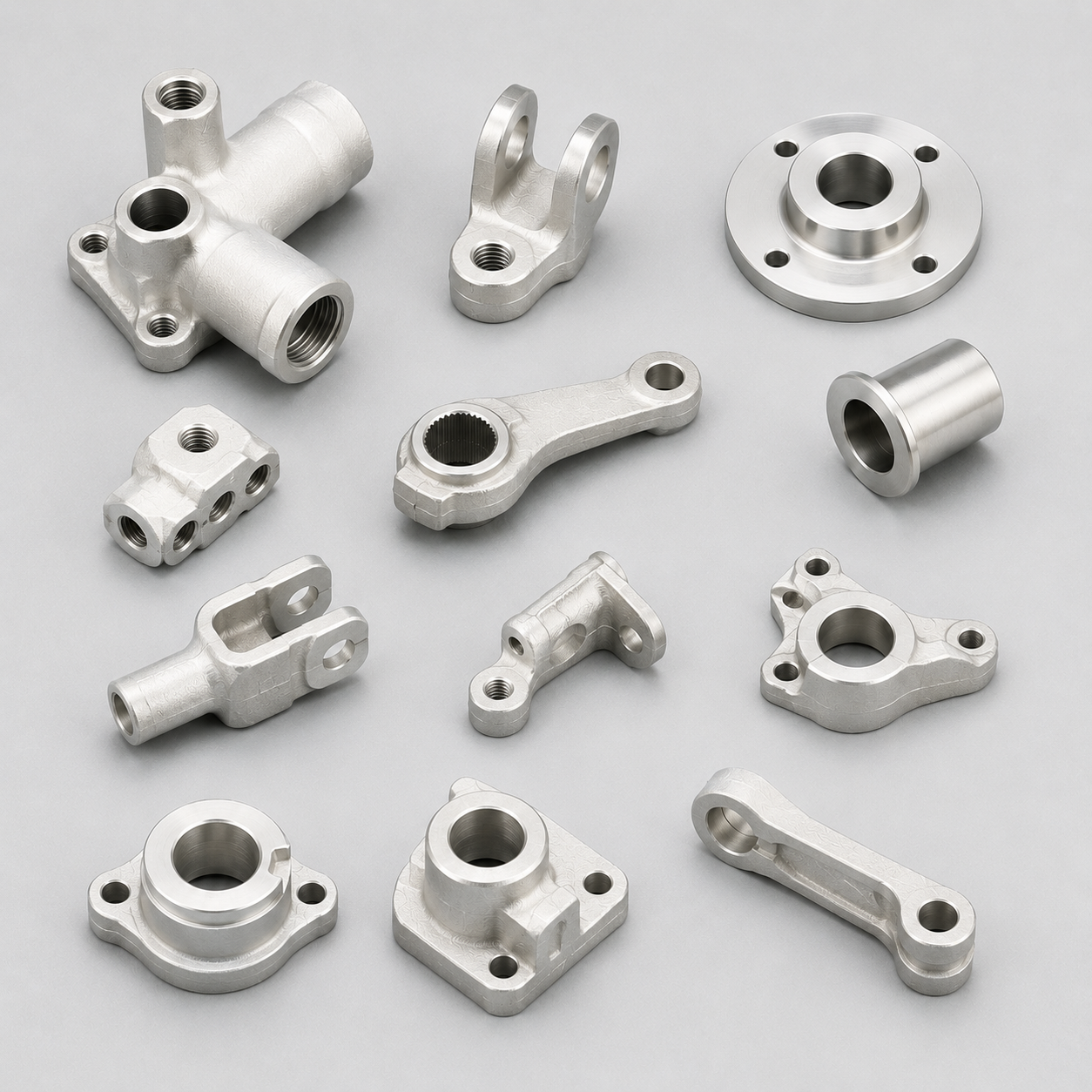
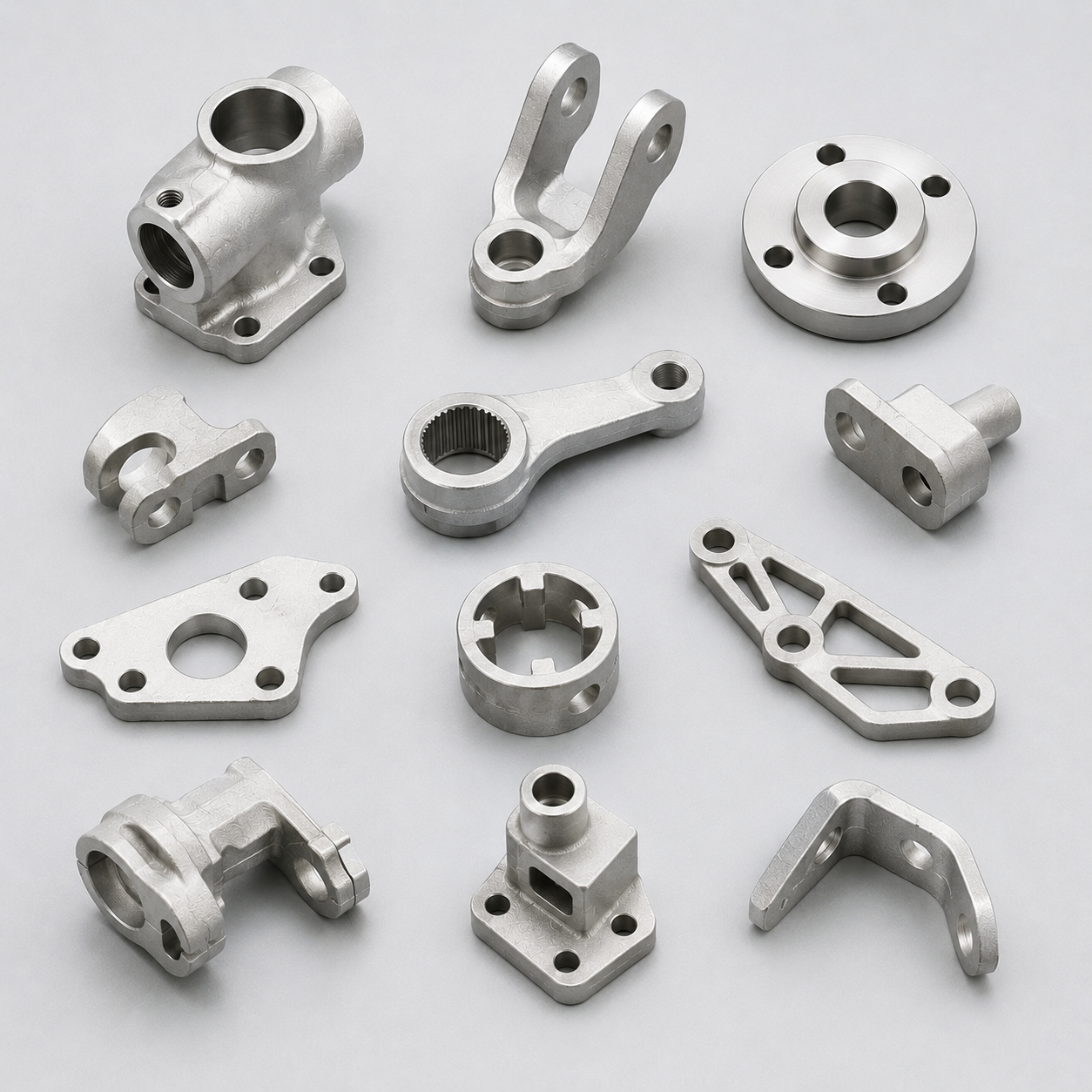
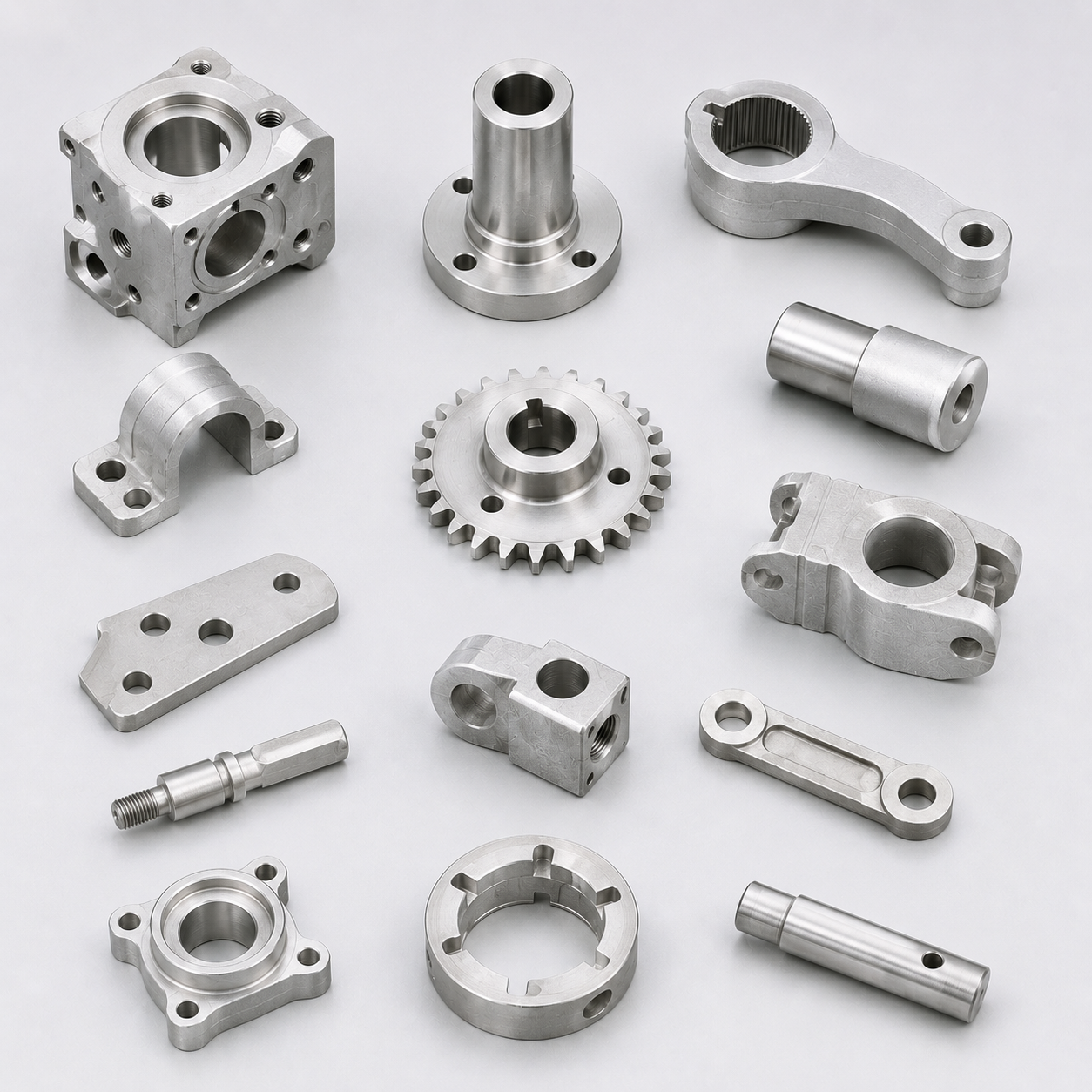
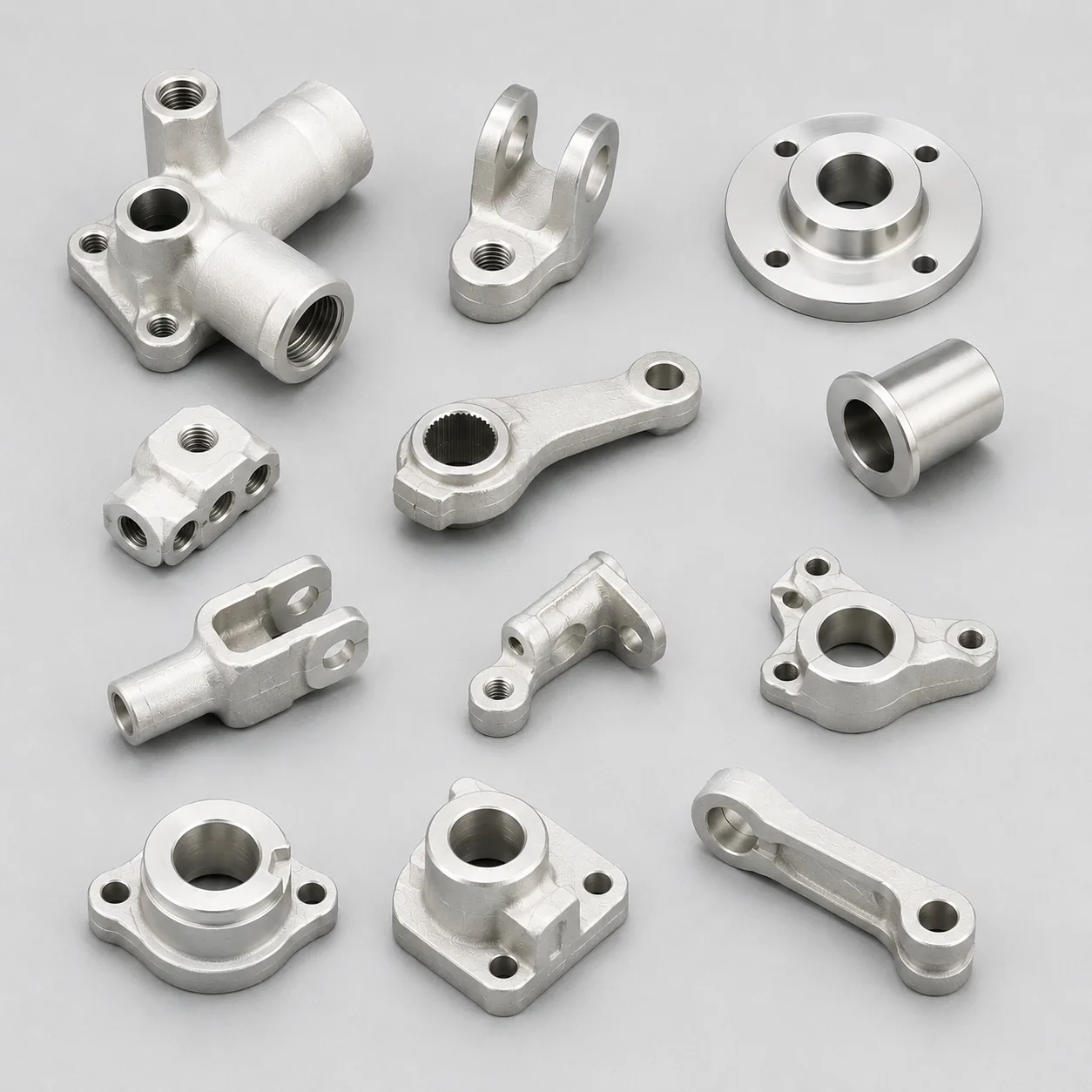
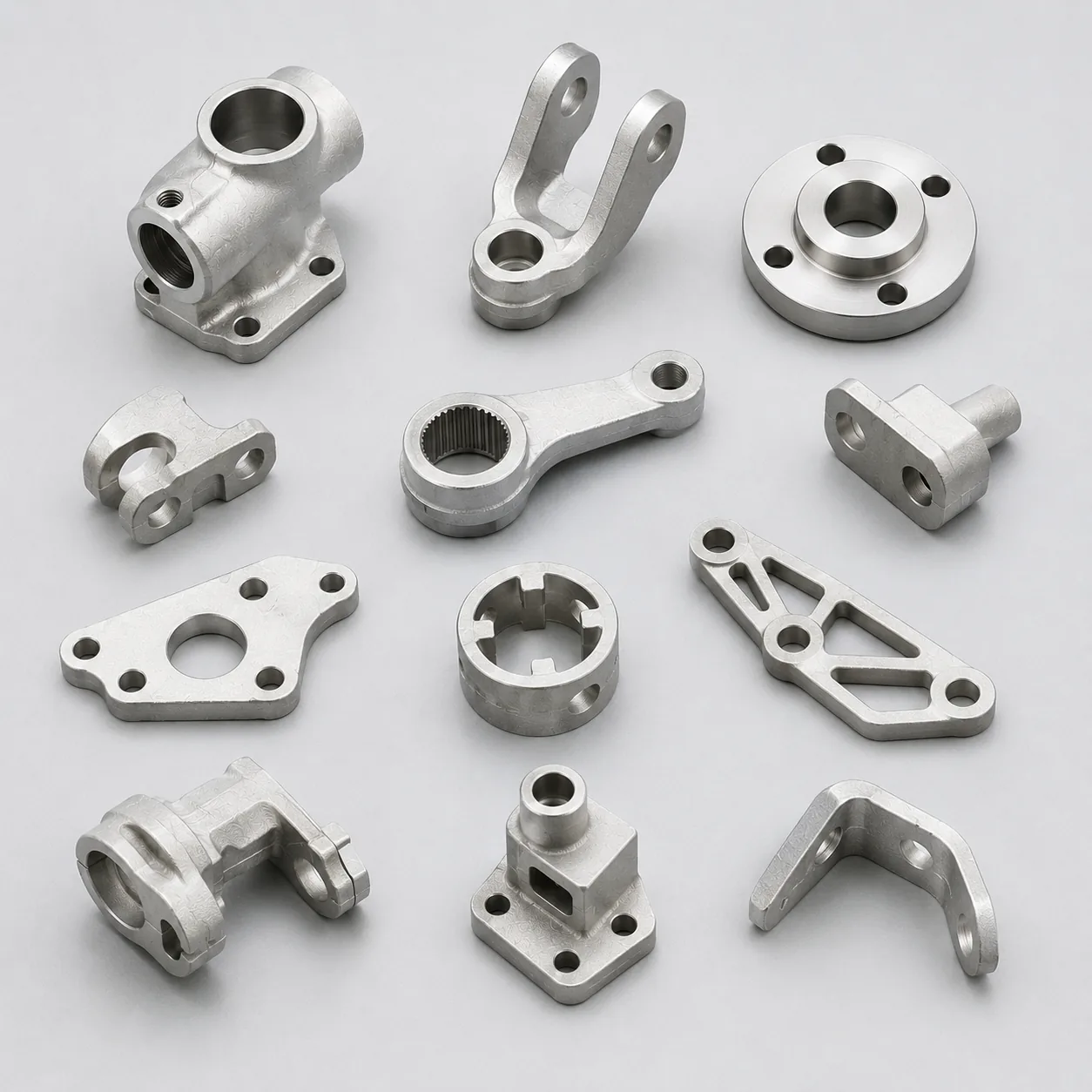
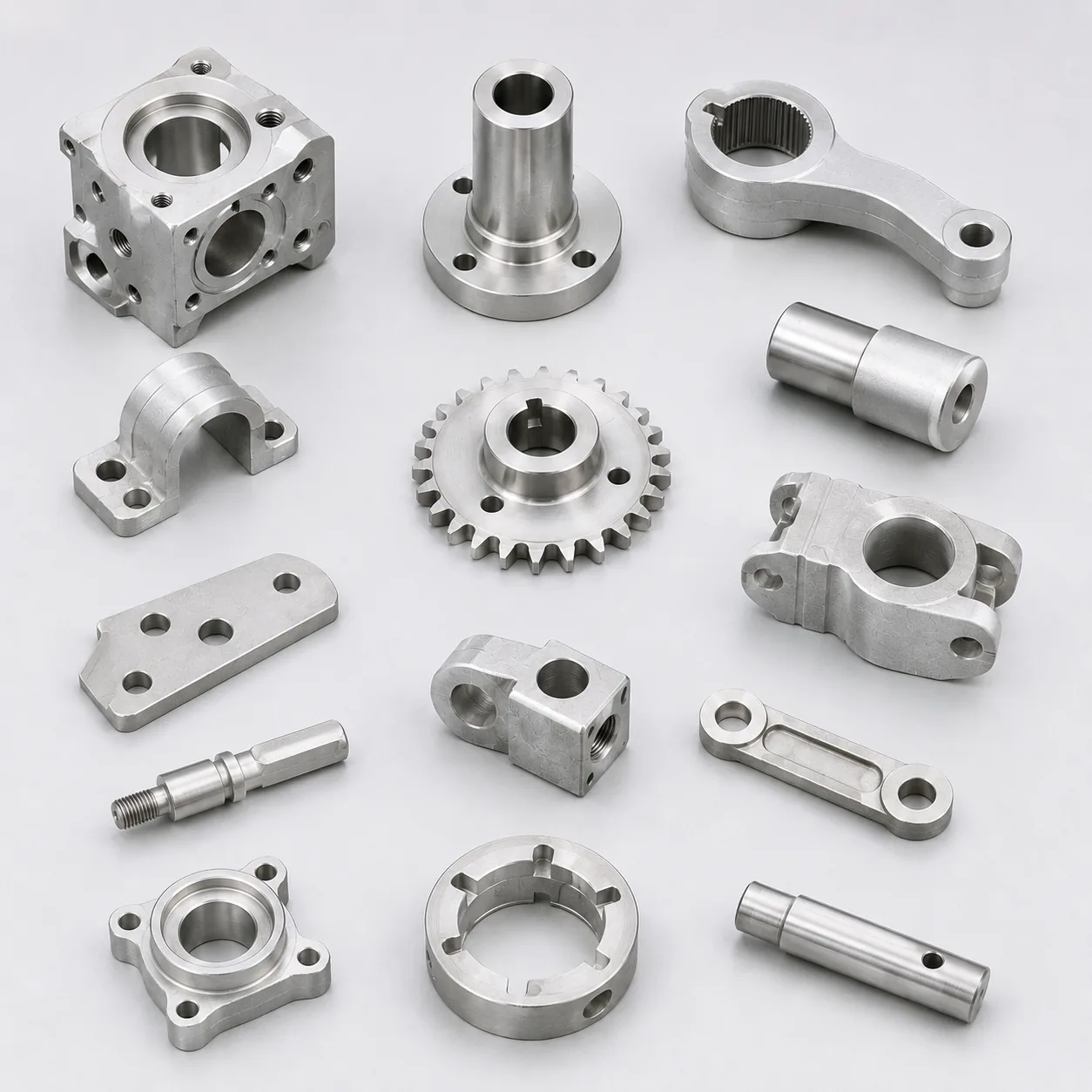
In pumps, valves, seawater equipment, and chemical fluid components, materials must withstand media corrosion while also maintaining strength and complex structural form.Duplex steel precision castingCombining the material characteristics of austenitic and ferrite dual-phase microstructure with the advantages of investment casting for complex and small parts, it is often used in valve bodies, pump bodies, etc.impellerFlange seats, connectors, and non-standard flow channel components.
In actual inquiries, you will often see terms like "2205 precision casting" or "2507 precision casting". It is important to note that 2205 and 2507 are commonly used terms for wrought iron grades; when it comes to casting manufacturing and acceptance, the corresponding casting grade should be confirmed in conjunction with drawings, working conditions, and casting standards, rather than placing an order based solely on an abbreviation.
2205 and 2507: First check the material grade, then determine the casting grade.
| Common terms | Reference grades of common deformable materials | Casting Material Selection Tips | Common application directions |
|---|---|---|---|
| 2205 Duplex Stainless Steel | UNS S31803/S32205, EN 1.4462 | When requesting a quote based on ASTM A890/A995, pay special attention to verifying casting requirements such as 4A/CD3MN (UNS J92205). | Pumps, valves, flanges, and fluid connections used in general chlorine-containing media |
| 2507 Super Duplex Steel | UNS S32750, EN 1.4410 | For high-chlorine or more demanding applications, use engineering-approved super duplex casting grades, such as ASTM A995 6A / CD3MWCuN; direct equivalents are not permitted. | Related to seawater, desalination, and highly corrosive fluidsPump & Valve Castings |
Outokumpu's duplex steel data describes 2205 as a commonly used duplex steel that combines good resistance to localized corrosion and stress corrosion cracking with high strength; 2507 has a higher degree of alloying and corrosion resistance, making it suitable for more severe chloride environments. For castings, the final material should conform to agreed standards, chemical composition, heat treatment condition, and inspection terms.
Why is precision casting of duplex steel suitable for pumps, valves, and mechanical parts?
Investment casting is suitable for producing irregularly shaped parts with flow channels, fillets, flanges, and mounting lugs. Compared to mass machining from a single piece of material, a well-designed casting scheme can reduce machining allowances and provide a more flexible manufacturing path for small batches of non-standard parts with multiple specifications. Valve body cavities, pump casing transition sections, impeller components, and complex connecting seats are all common design targets.
However, duplex stainless steel is not a material that is "finished once cast." Differences in part wall thickness, pouring and feeding, heat treatment, and subsequent machining all affect the surface finish, dimensions, and service reliability of the casting. The significance of selecting 2205 or 2507 needs to be realized through complete processes and inspections.
Four key manufacturing stages to focus on for duplex steel precision castings
- Materials and furnace batch confirmation:The key components such as Cr, Ni, Mo, and N are checked against the target casting standards, and the material identity is confirmed through material certification or PMI to avoid mistaking similar names for the same grade.
- Casting and structural processes:Set the gating system and machining allowance according to the wall thickness, flow channel and machined surface, and pay attention to the risks of shrinkage, inclusion, thermal cracking and deformation; reserve space for subsequent finishing on the sealing surface and connecting surface.
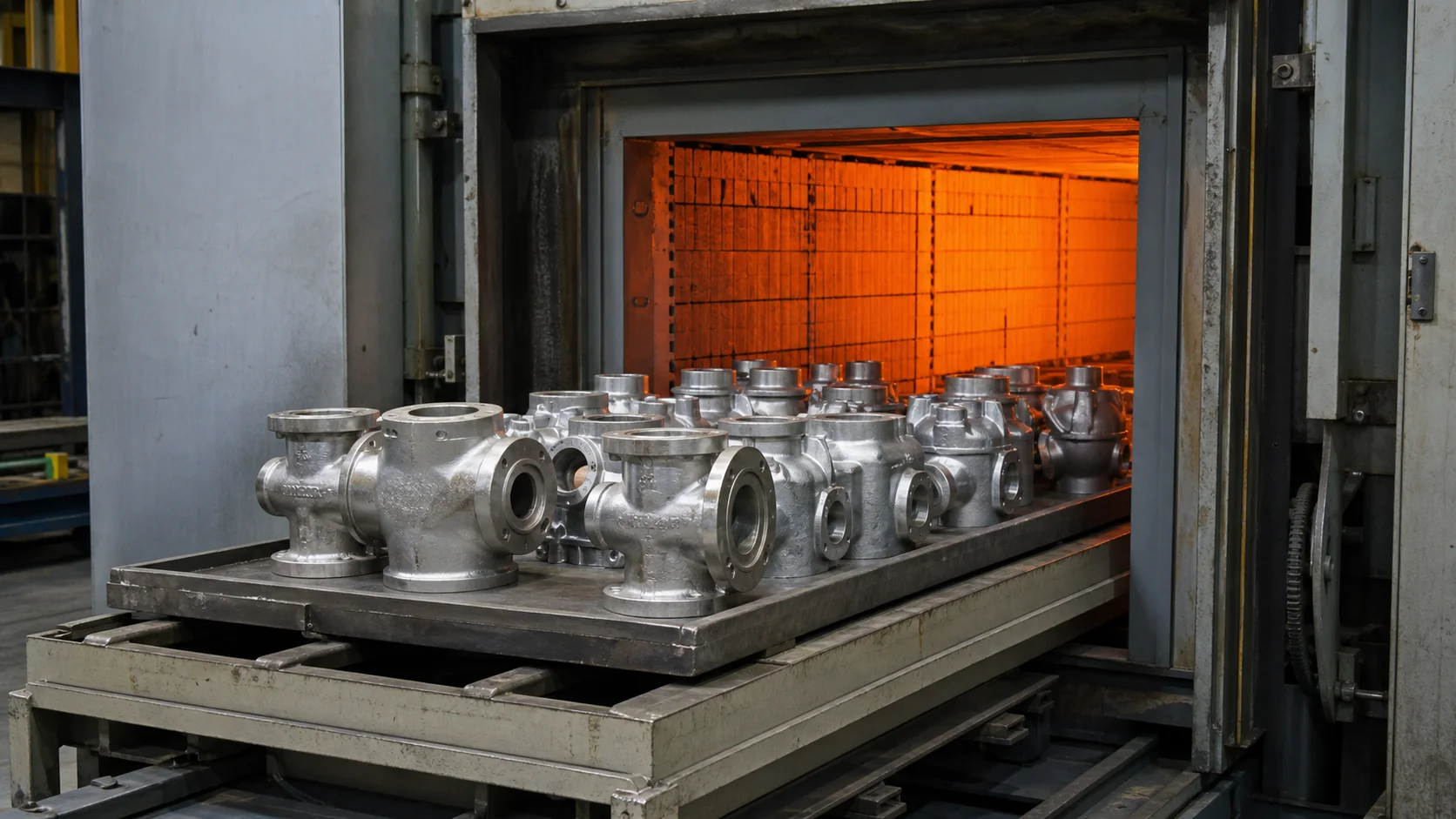
- Solution heat treatment and microstructure control:Duplex steel castingsA suitable solution treatment and rapid cooling process is required to control the risk of harmful intermetallic phase precipitation and to obtain a suitable dual-phase microstructure. Metallographic, ferrite testing, mechanical property testing, or corrosion testing can be scheduled as needed.
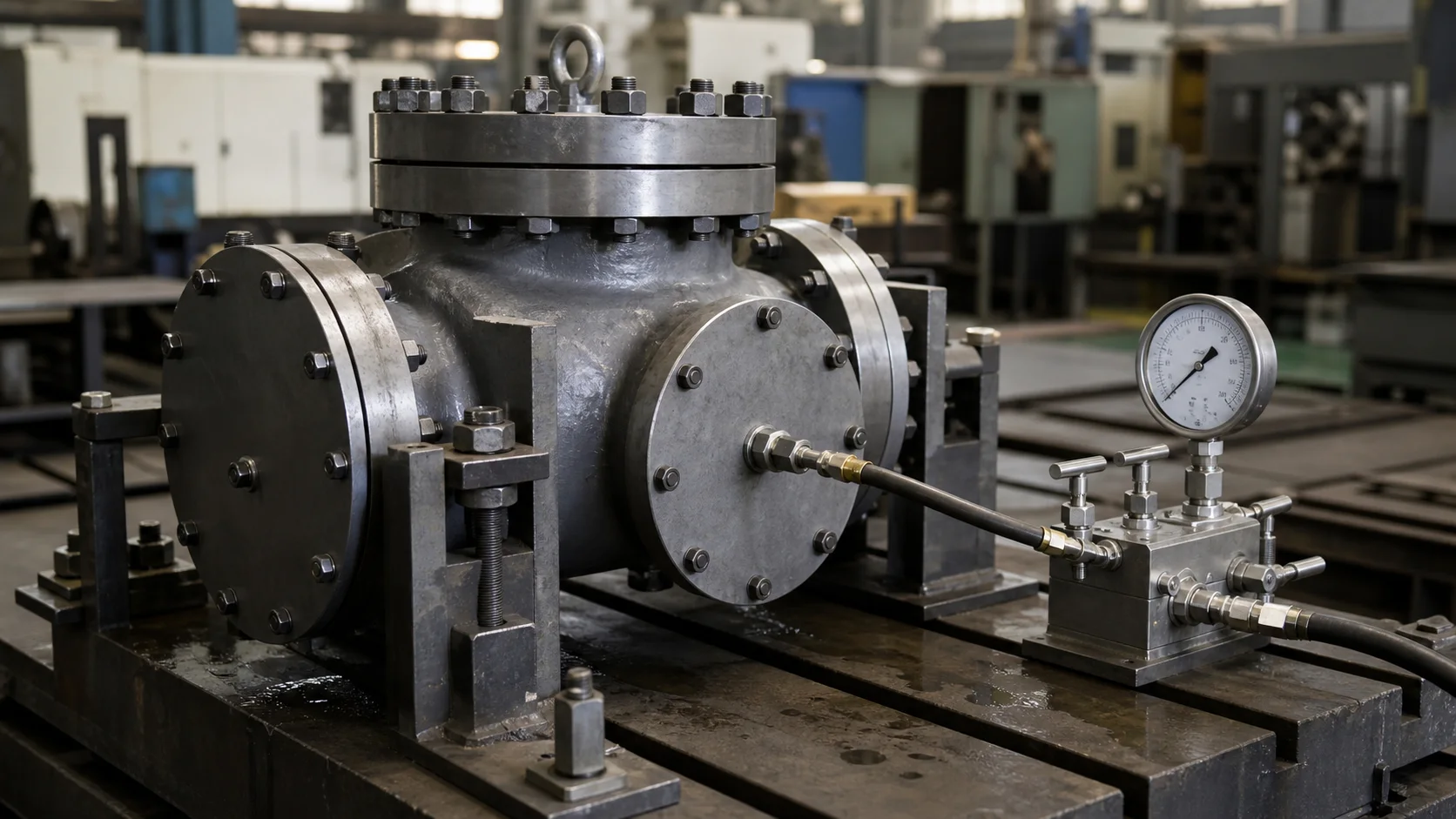
- Finishing and Non-destructive Testing:For pump and valve pressure-bearing components, flow channel components, or critical connecting components, penetrant testing, radiographic testing, dimensional verification, pressure testing, and surface treatment can be arranged according to the acceptance level. The scope of testing should be specified in the order.
2205 or 2507, you can't just choose based on "the higher the level, the better".
For most industrial fluid components, 2205 duplex stainless steel offers a good balance between corrosion resistance, strength, machinability, and cost. However, if the equipment is exposed to seawater or high-chloride media for extended periods, or if the designer imposes stricter requirements on pitting and crevice corrosion, it may be necessary to further evaluate 2507 or a corresponding super duplex casting option. The actual selection must also consider the medium concentration, temperature, pressure, welding or assembly methods, and inspection standards.
Custom duplex steel castings: Prepare this information before requesting a quote.
When procuring precision-cast duplex stainless steel parts, it is recommended to provide two-dimensional drawings or three-dimensional models, material standards and desired grades, working medium and temperature/pressure, critical dimensional tolerances, sealing surface roughness, unit weight and quantity, as well as required non-destructive testing and material documentation. The more detailed the information, the easier it will be to provide accurate quotations and process assessments for 2205, 2507, and other duplex stainless steel casting grades.
Haijin Stainless Steel can discuss precision casting, subsequent processing, and inspection solutions for duplex stainless steel based on the drawings and requirements of pump and valve accessories, fluid equipment accessories, and non-standard mechanical parts. For projects with specific corrosion conditions or pressure requirements, it is recommended to verify material standards and acceptance conditions before confirming the order.
Related procurement portals
If you already have drawings, samples, material or quantity requirements, you can go to the corresponding page to understand the processing scope and submit your quotation request.
Relevant technical information and product examples
Continue to assess whether the materials, workmanship, and actual parts are suitable for your procurement needs.
- Material selectionCommonly used precision casting material grades for water pump impellers→
- Application AnalysisApplication of precision casting in water pump impeller manufacturing→
- Defect controlApplication and Defect Control of Water Pump Head Casting→
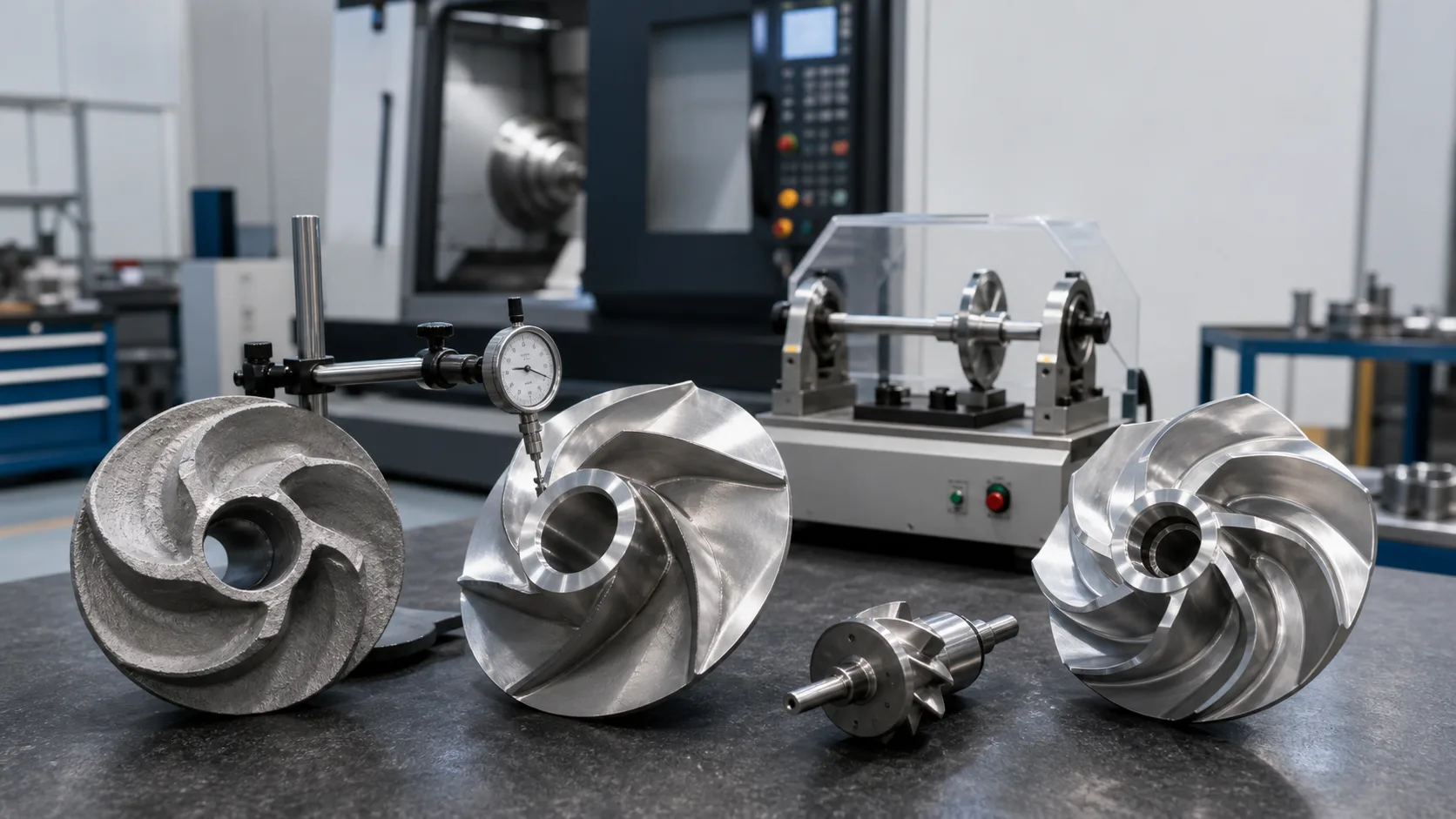
- Product ExamplesPrecision casting and CNC machining of valve and pump impellers→
Pump and valve component process evaluation
Do you have drawings of impellers, valve bodies, or pump bodies that need to be evaluated?
Haijin can evaluate precision casting and CNC post-machining solutions by considering corrosion resistance requirements, flow channel structure, wall thickness, sealing surface, and key mating dimensions.
- Material orientation is determined based on medium and temperature.
- Assess the risks of flow channels, wall thickness, and casting defects.
- Confirm the machining of sealing surfaces, hole positions, and mating dimensions.
 WhatsApp: +86 158 9600 2001Scan the QR code or open WhatsApp to chat