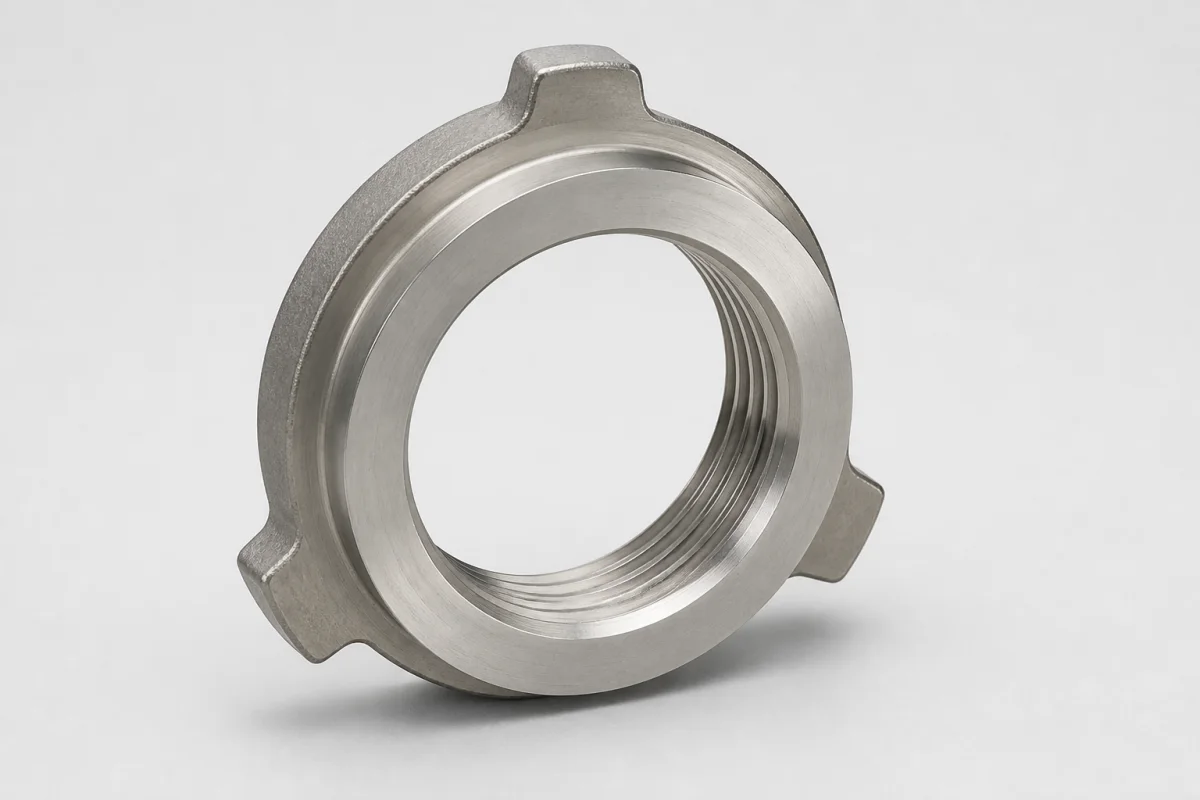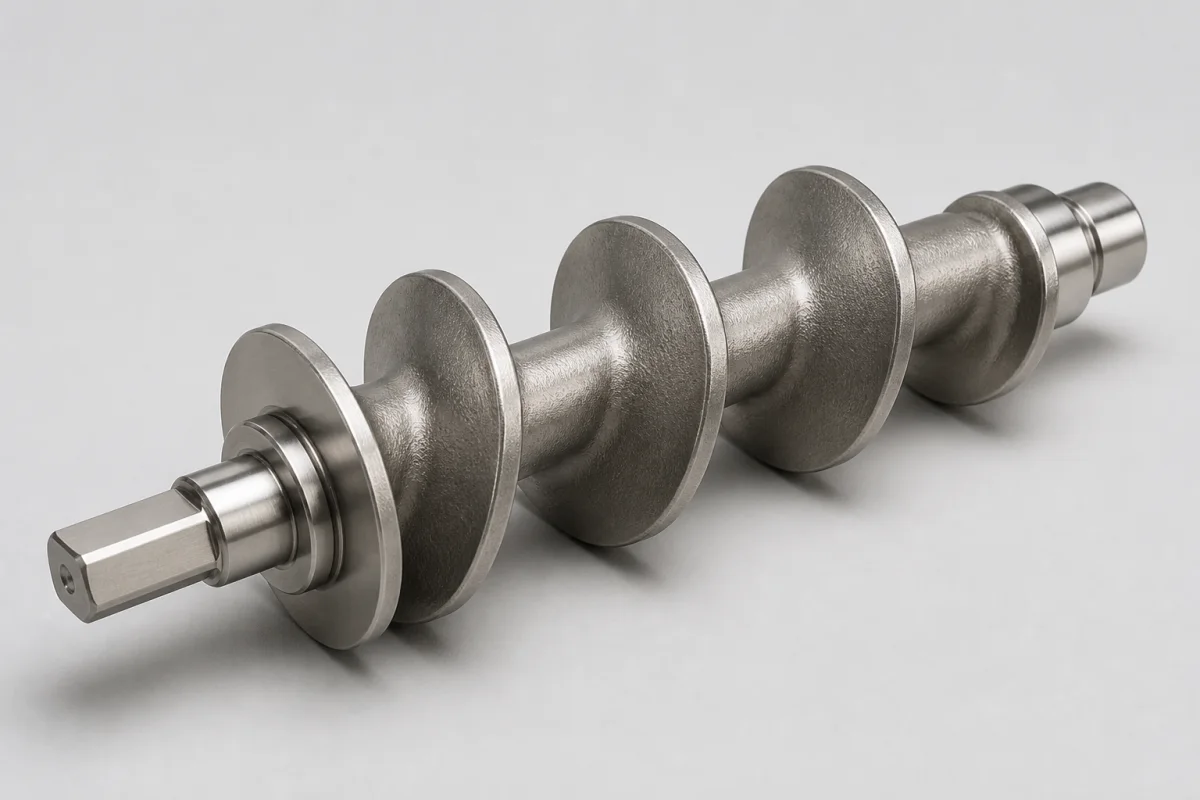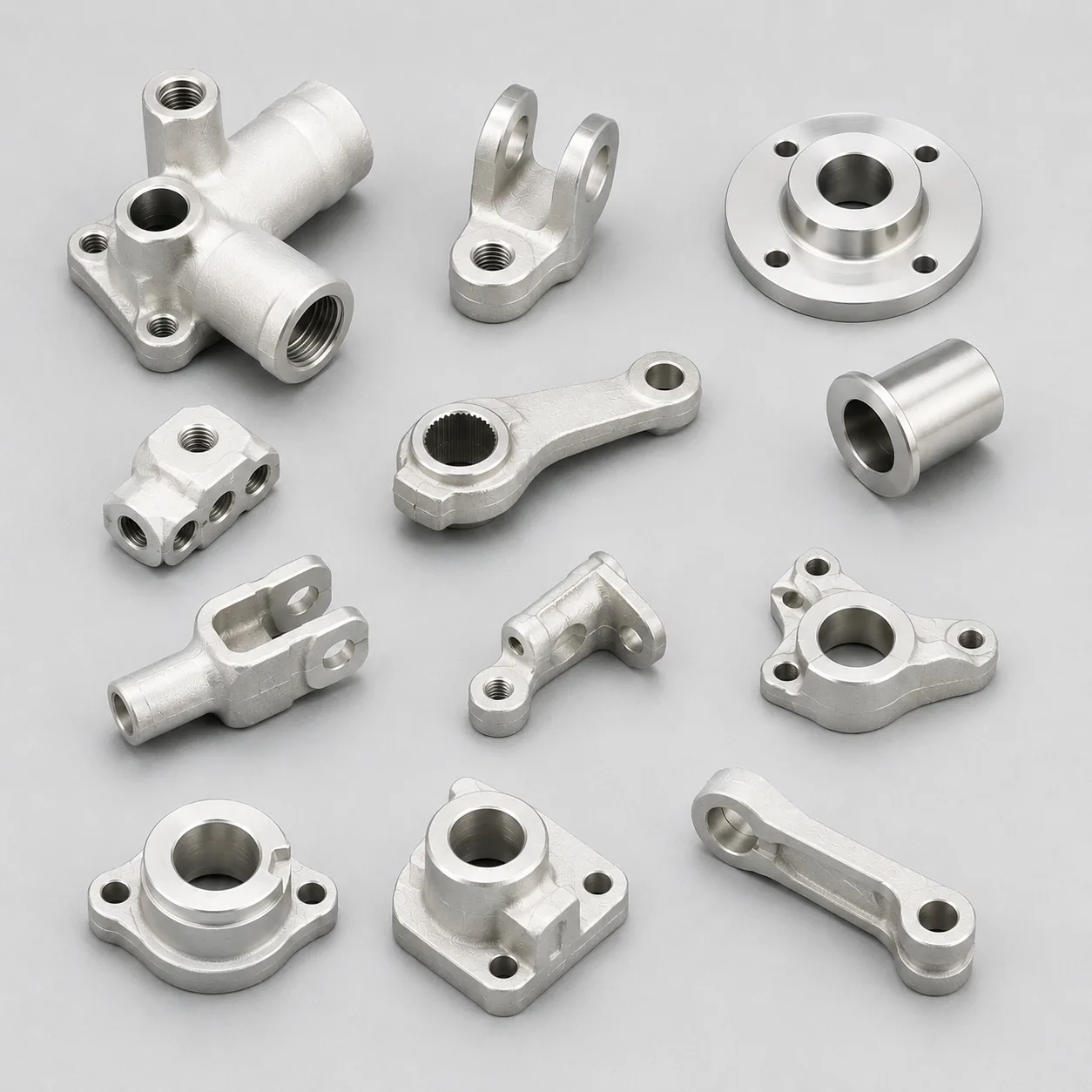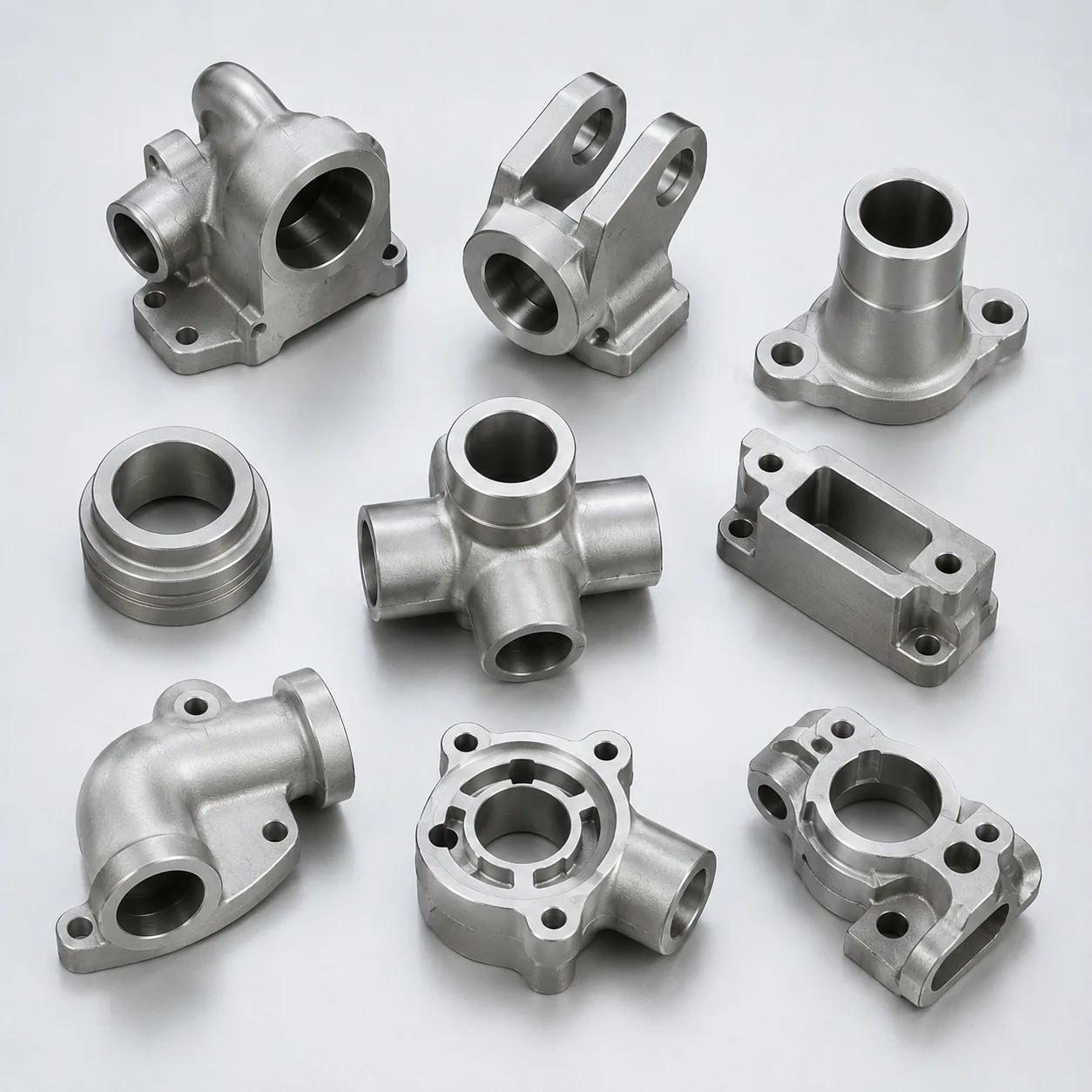











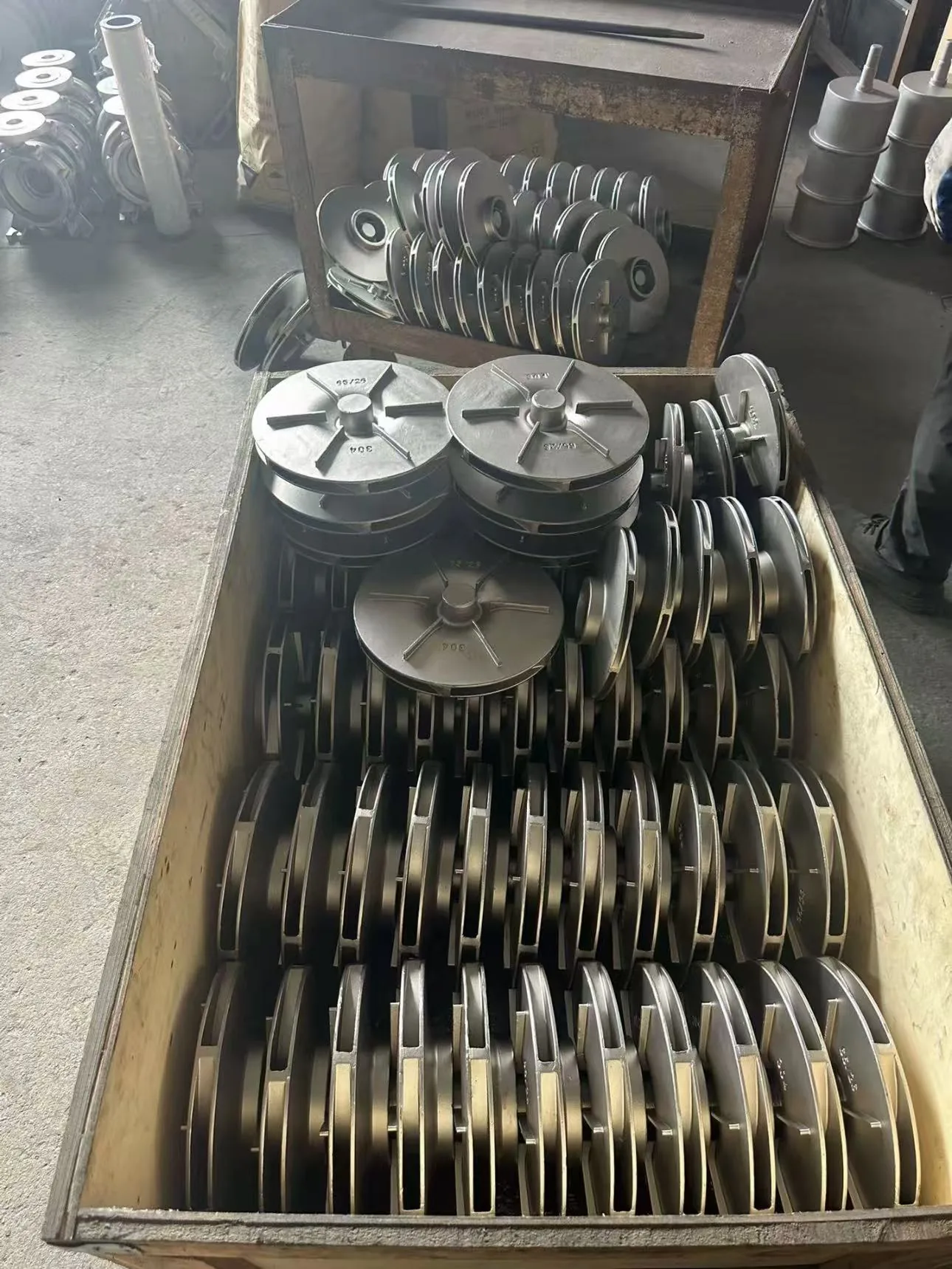
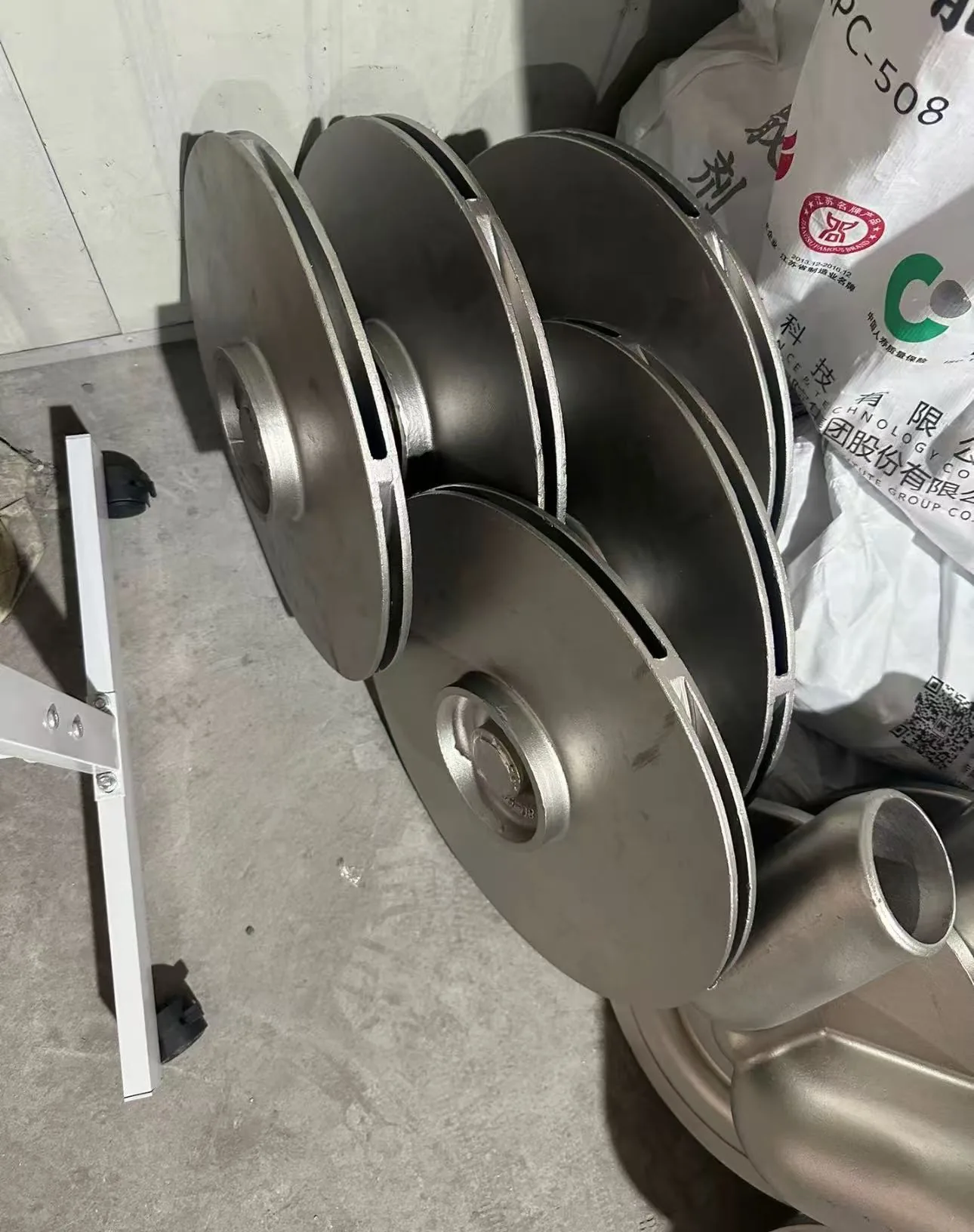
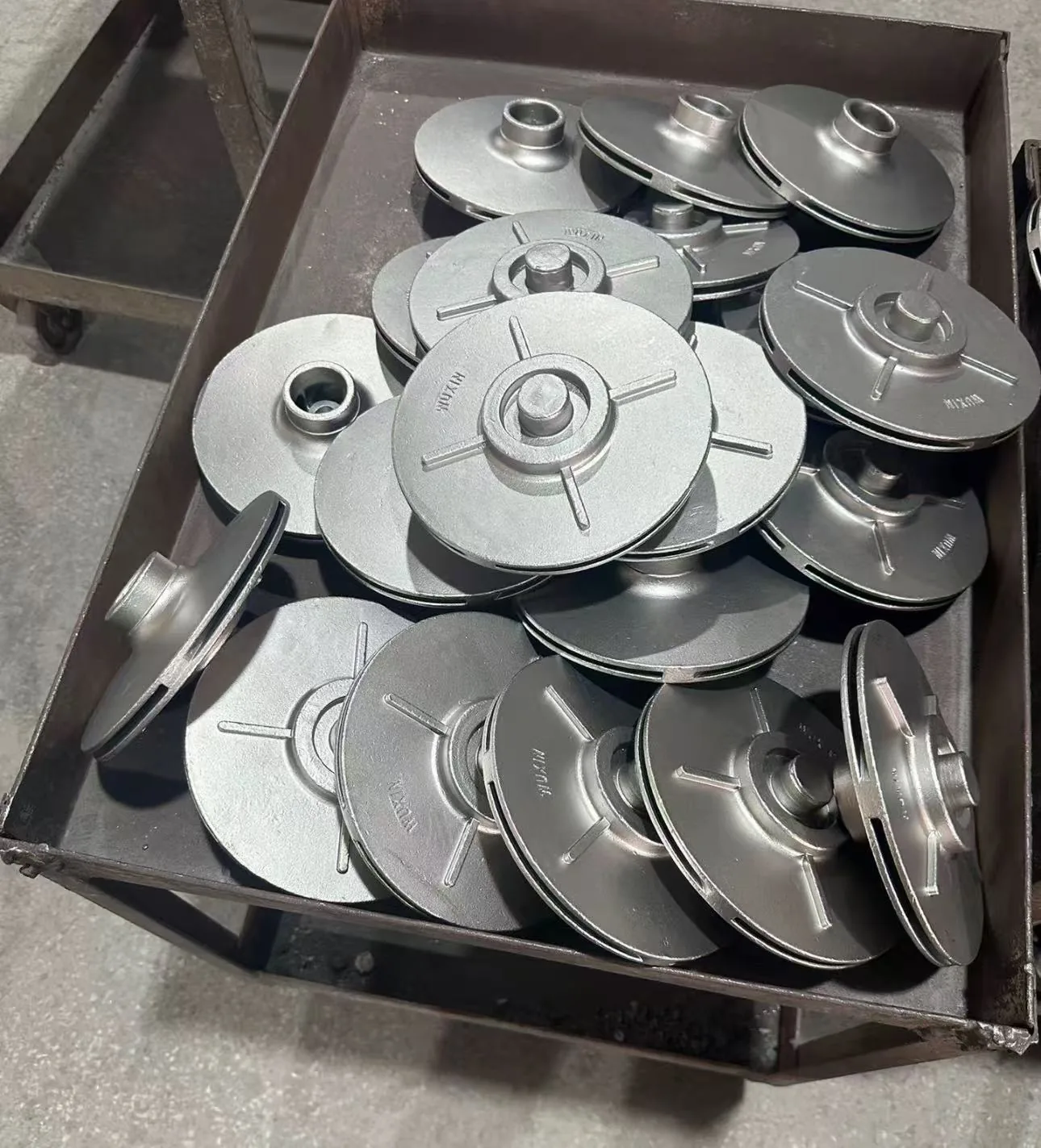
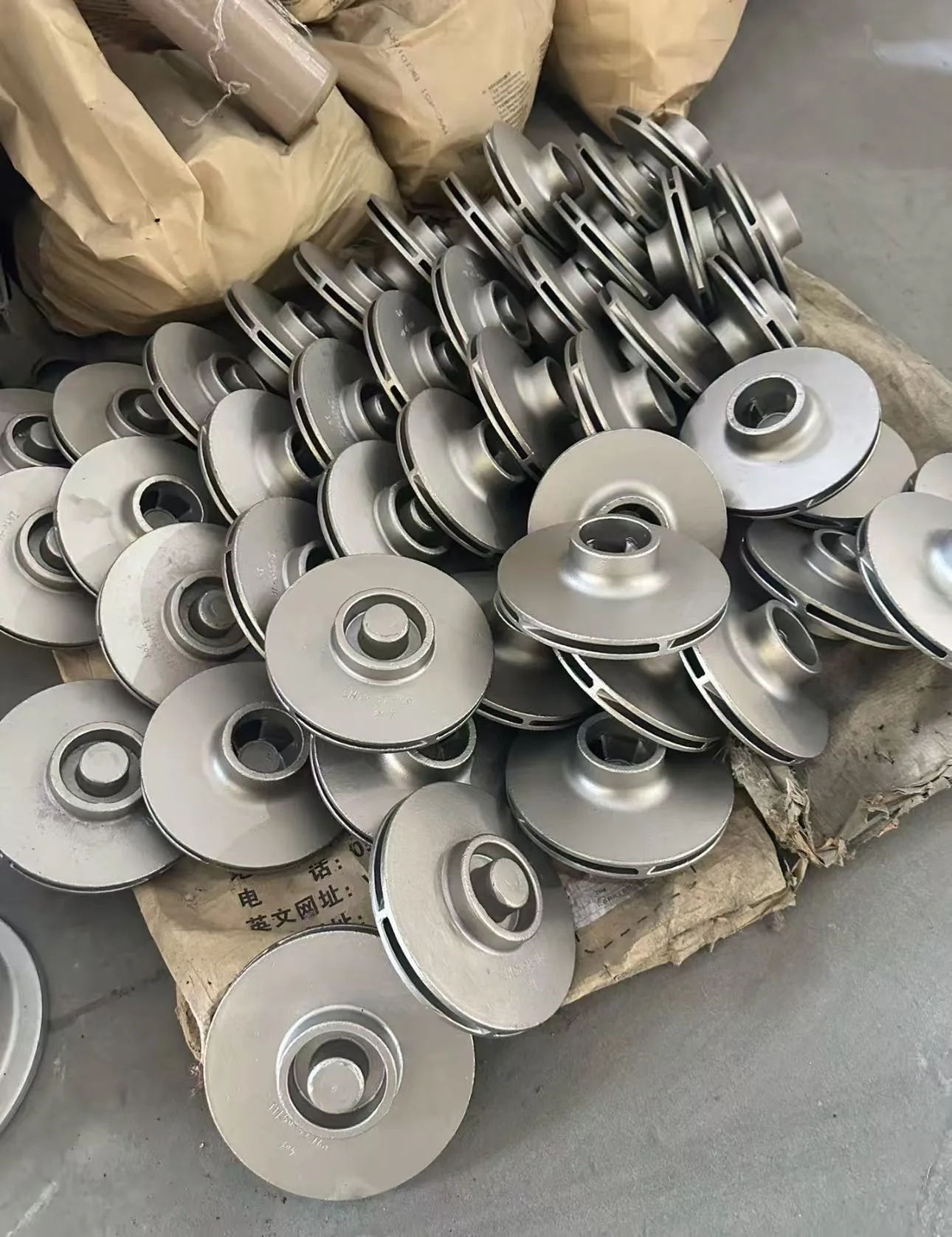
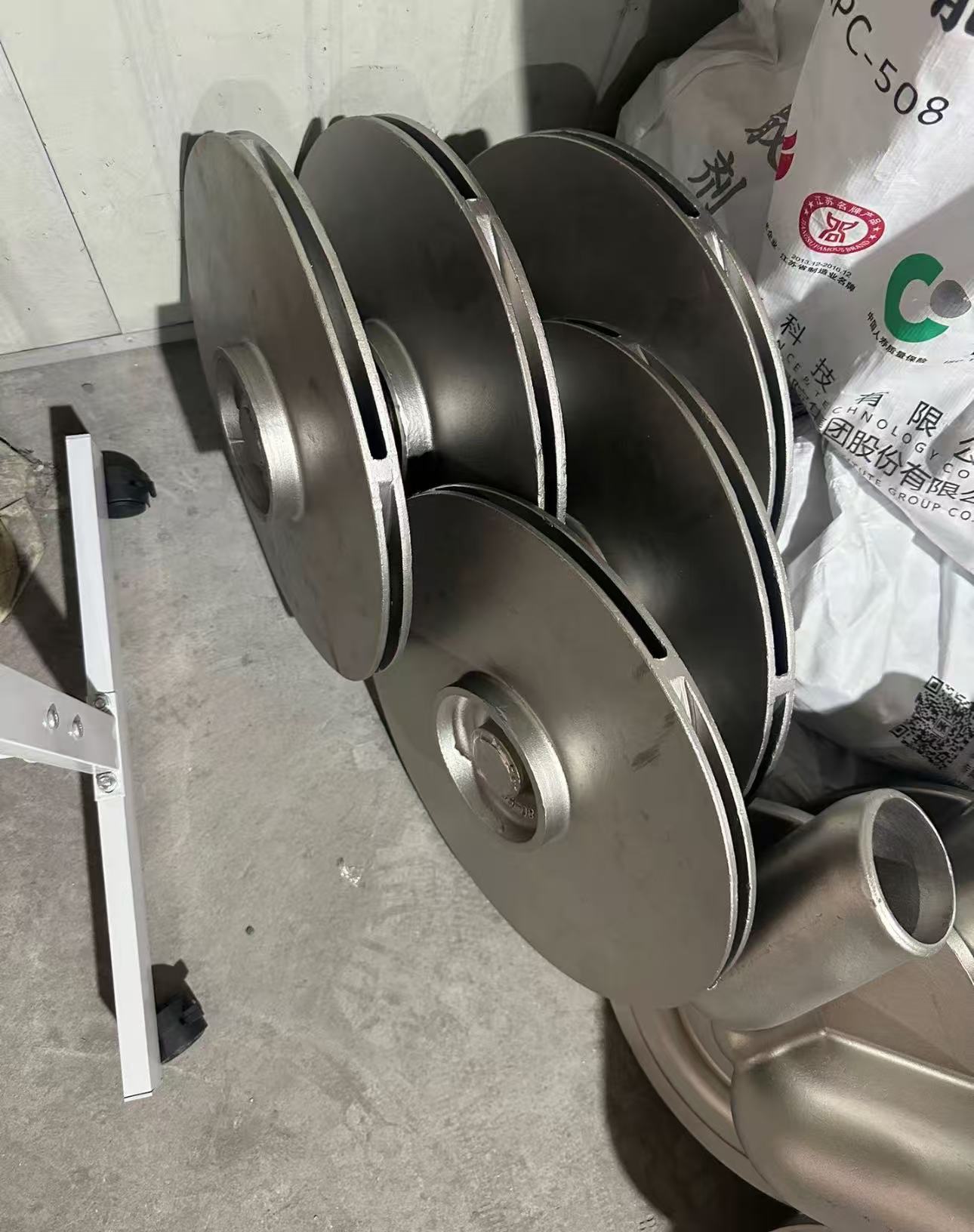
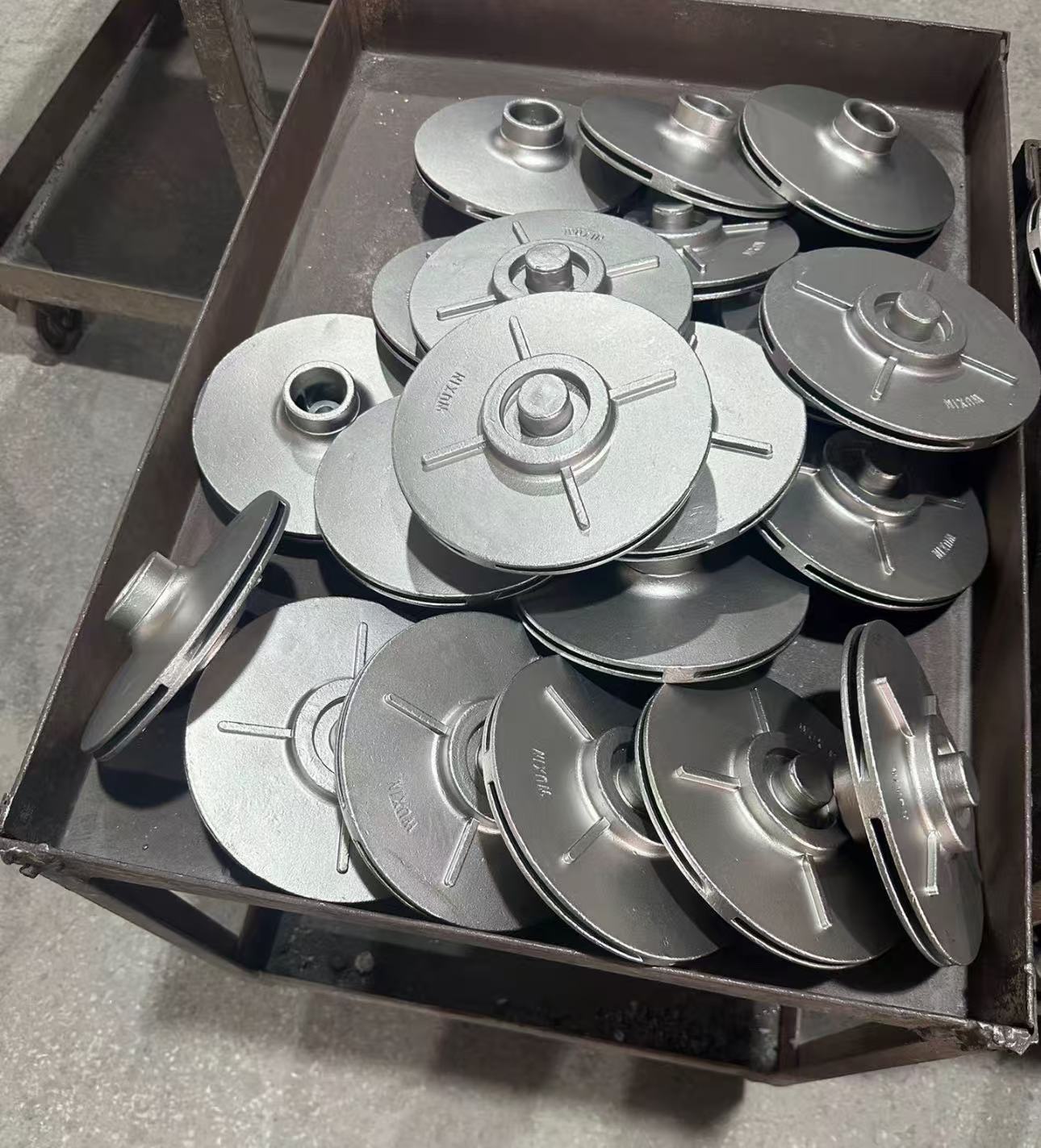
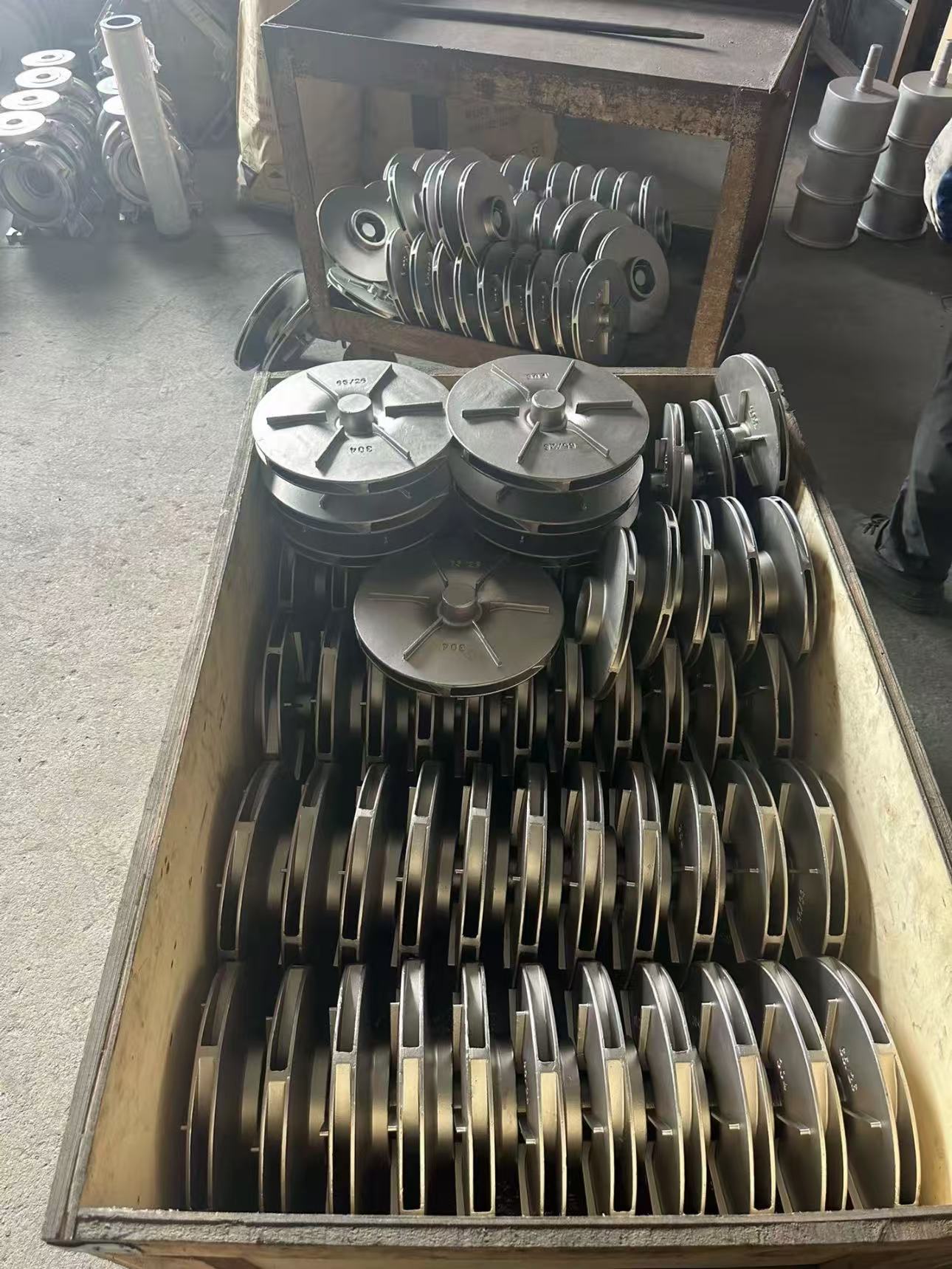
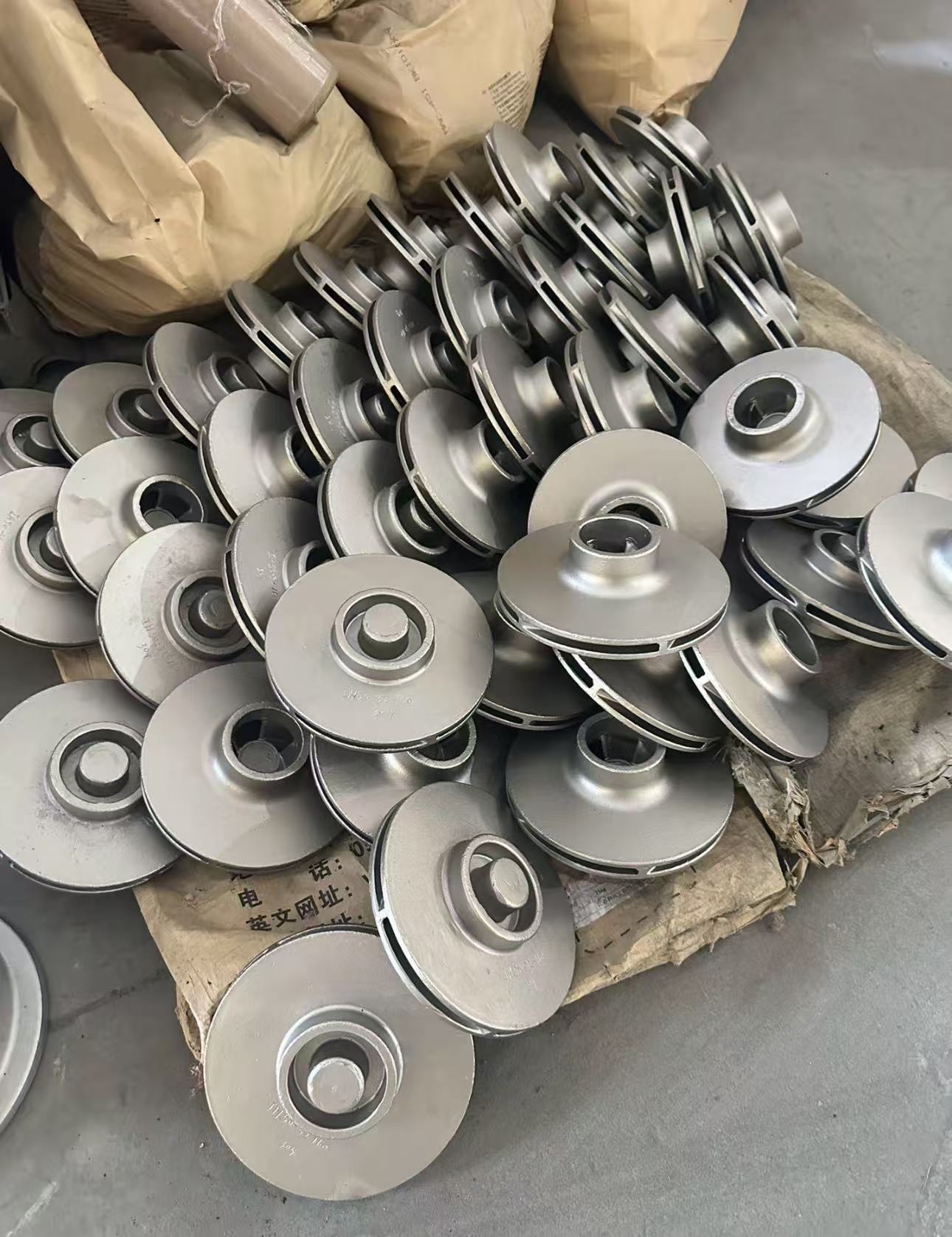
Investment CastingIn the water pumpimpellerApplications and core advantages in manufacturing
The core of a water pump lies inImpellerThe impeller is a key component that converts the energy of the motor into the kinetic energy of the fluid. The design and manufacturing quality of the impeller directly determine the efficiency, head, cavitation resistance, and service life of the water pump.
While traditional sand casting is inexpensive, it is difficult to meet the high efficiency and high reliability requirements of modern fluid machinery.Investment Casting(Investment Casting/Lost Wax Casting)With its extremely high dimensional accuracy and surface finish, it has become the preferred manufacturing process for high-end water pump impellers (especially those used in chemical, deep well, aerospace and medical fields).
I. Application Background: Why is impeller manufacturing so difficult?
Pump impellers typically possess the following complex geometric and physical characteristics, which present significant challenges to their manufacturing:
- Three-dimensional twisted blades: To conform to the principles of fluid dynamics, blades are typically twisted in space and have uneven thickness.
- Narrow flow channel: In particular, closed impellers have long and winding internal flow channels that prevent machining tools from entering.
- High material requirements: For corrosion and wear resistance, stainless steel (such as 304, 316L), duplex steel or nickel-based alloys are often used, but these materials have poor machinability.
Precision casting solves the above problems precisely, enabling accurate transformation from design to physical object.
II. Analysis of Core Advantages
1. Excellent hydraulic efficiency
This is the most significant advantage of precision-cast impellers.
- Extremely low surface roughness: The surface roughness of precision casting can typically reach 100%. $Ra$ 1.6 ~ 3.2 $mu m$While ordinary sand casting usually requires $Ra$ 12.5 $mu m$ or more.
- Reduce hydraulic losses: The smooth flow channel surface significantly reduces the frictional resistance between the fluid and the impeller wall, thereby improving the hydraulic efficiency of the pump (typically increasing the efficiency of 3%~5%).
- Cavitation resistance: The smooth surface reduces the nucleation points for bubble adhesion, delays the occurrence of cavitation, and extends the impeller life.
2. Extremely high dimensional accuracy and geometric freedom
- Near-Net Shape: Precision casting can achieve CT4 ~ CT6 Grade 1 dimensional tolerances. This means that the blade thickness, inlet angle, and outlet angle can precisely match the design simulation results of CFD (Computational Fluid Dynamics).
- Complex structures are integrally molded: Whether it's an open impeller with a complex undercut or a closed impeller with an extremely twisted flow channel, investment casting technology can use a ceramic mold shell to cast it as a whole in one go, without the need for subsequent welding or complicated assembly.
3. Excellent dynamic balancing performance
Due to the high precision of the mold, the casting has a dense structure and uniform wall thickness. This results in a very uniform mass distribution in the cast impeller.
- Reduce processing volume: In subsequent dynamic balancing tests, precision-cast impellers typically require only minimal weight reduction (drilling or grinding) to achieve the balance standard.
- Reduce vibration and noise: Good initial balance reduces vibration during pump operation, lowers noise, and protects bearings and seals.
4. Wide applicability of materials
Water pumps often need to operate in corrosive media (such as seawater, acidic or alkaline solutions). Precision casting processes are not limited by alloy types and are particularly suitable for casting.Difficult-to-machine materials:
- Various types of stainless steel: 304, 316, 316L.
- Duplex stainless steel: 2205, CD4MCu (with extremely strong wear and corrosion resistance).
- Special alloys: Hastelloy and Monel.
Notice: If these cemented carbides are machined using CNC machining, the tool wear is extremely high and the efficiency is very low, while precision casting greatly reduces the amount of cutting work.
III. Comparative Analysis: Precision Casting vs. Sand Casting
To visually demonstrate the differences, the following is a comparison of the two processes in impeller manufacturing:
| Comparison Dimensions | Precision casting (Investment Casting) | Sand casting |
| Surface smoothness | Excellent (smooth as skin) | Poor (rough, grainy) |
| Dimensional accuracy | High (CT4-CT6) | Low (CT10-CT12) |
| Flow channel reproducibility | Perfectly replicates complex flow channels | It is prone to deviation and the flow channel may become blocked. |
| Machining allowance | Extremely small (only the mating surfaces need to be machined) | Large (requiring extensive cutting) |
| Minimum wall thickness | Up to 1.5mm – 2.0mm | Typically, it needs to be > 3.0mm |
| cost | Mold and unit cost are relatively high | Lower mold and unit cost |
| Applicable Scenarios | High-end pumps, stainless steel pumps, high efficiency requirements | Sewage pumps, low-pressure pumps, cast iron pumps |
IV. Summary of Application Scenarios
- Stainless steel stamping pumps/multistage pumps: Although some parts use stamping and welding processes, the core high-pressure stage impeller is often precision cast to ensure strength.
- Chemical process pumps: For conveying acidic or alkaline media, duplex steel or Hastelloy must be used, and precision casting is the only economical and feasible forming method.
- Submersible pumps/deep well pumps: It requires extremely high efficiency and is difficult to maintain, thus necessitating a precision-cast impeller with high reliability.
- Aerospace fuel pumps: It requires extreme lightweight design and complex flow channel design.
in conclusion
In the manufacturing of water pump impellers, precision casting is not merely a forming process, but also a...Performance enhancement methodsAlthough its initial mold investment and unit manufacturing cost are higher than ordinary casting, it brings...Improved fluid efficiency (energy saving), reduced processing costs (labor saving), and extended service lifeIt has an overwhelming advantage in calculating the total life cycle cost (LCC) of a product.
For modern pump manufacturers that pursue high performance and high added value, precision casting is the only way to enhance the core competitiveness of their products.
Relevant technical information and product examples
Continue to assess whether the materials, workmanship, and actual parts are suitable for your procurement needs.
- Material selectionCommonly used precision casting material grades for water pump impellers→
- Application AnalysisApplication of precision casting in water pump impeller manufacturing→
- Defect controlApplication and Defect Control of Water Pump Head Casting→
- Product ExamplesPrecision casting and CNC machining of valve and pump impellers→
Pump and valve component process evaluation
Do you have drawings of impellers, valve bodies, or pump bodies that need to be evaluated?
Haijin can evaluate precision casting and CNC post-machining solutions by considering corrosion resistance requirements, flow channel structure, wall thickness, sealing surface, and key mating dimensions.
- Material orientation is determined based on medium and temperature.
- Assess the risks of flow channels, wall thickness, and casting defects.
- Confirm the machining of sealing surfaces, hole positions, and mating dimensions.
 WhatsApp: +86 158 9600 2001Scan the QR code or open WhatsApp to chat