










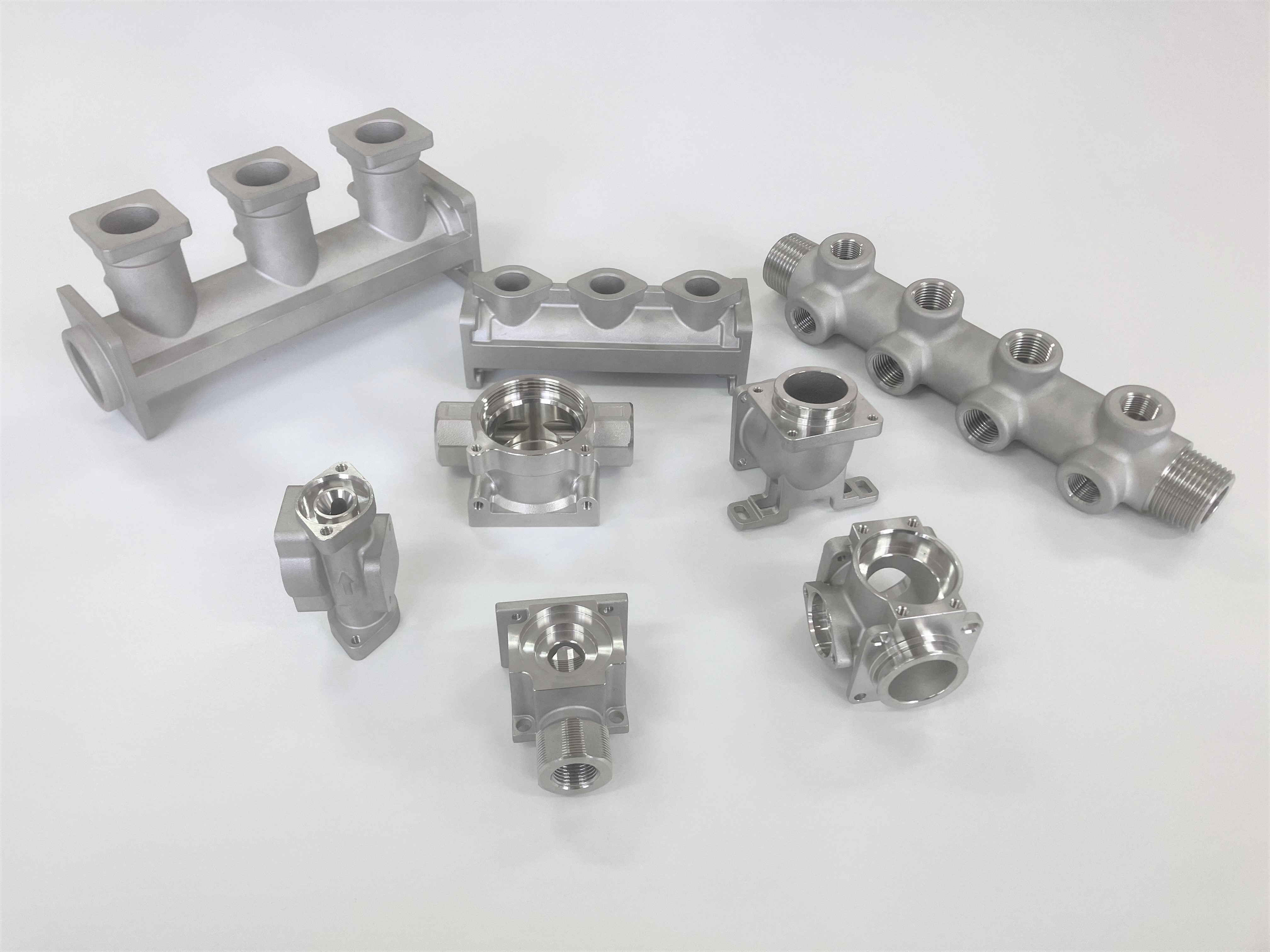
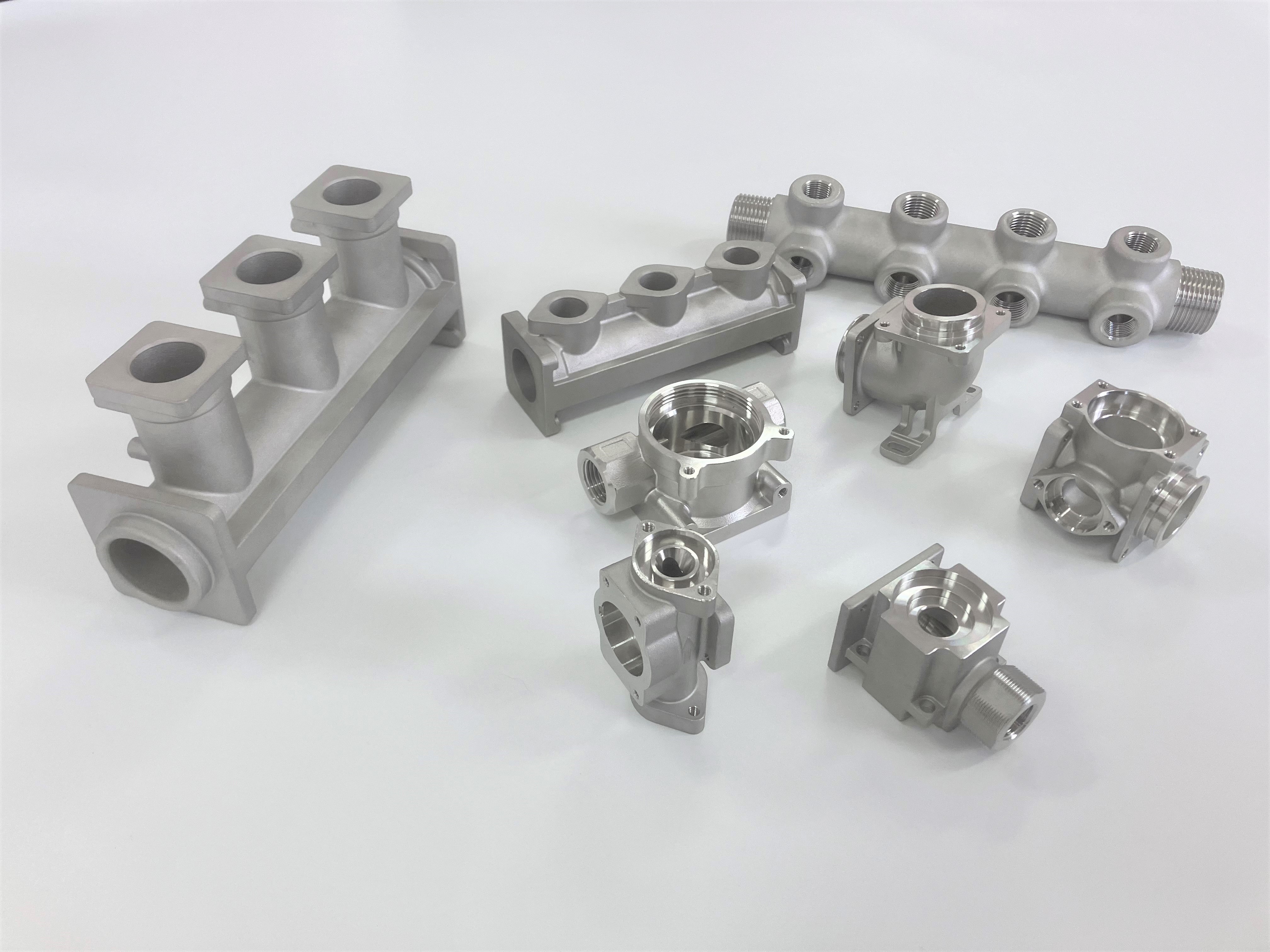
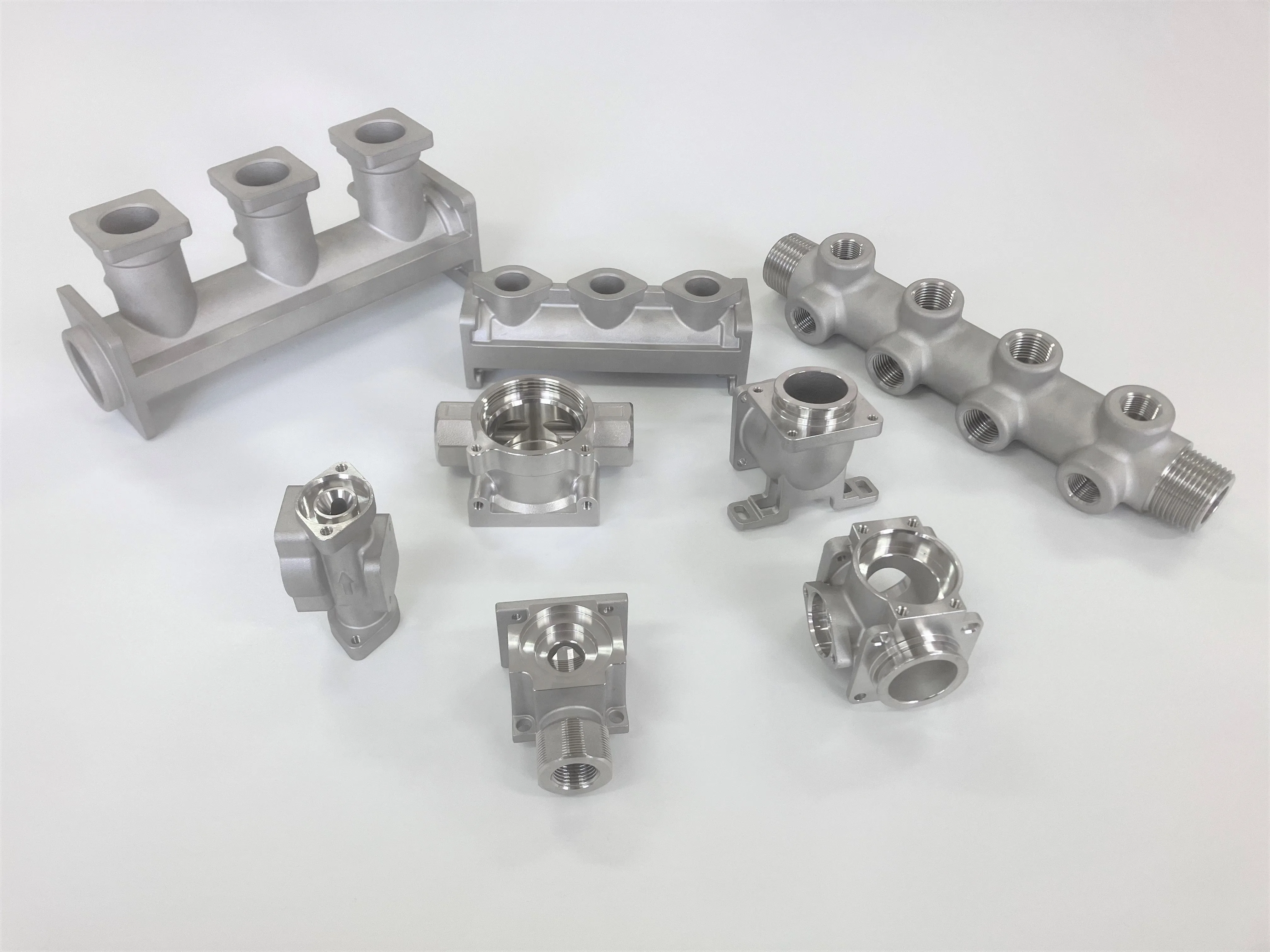
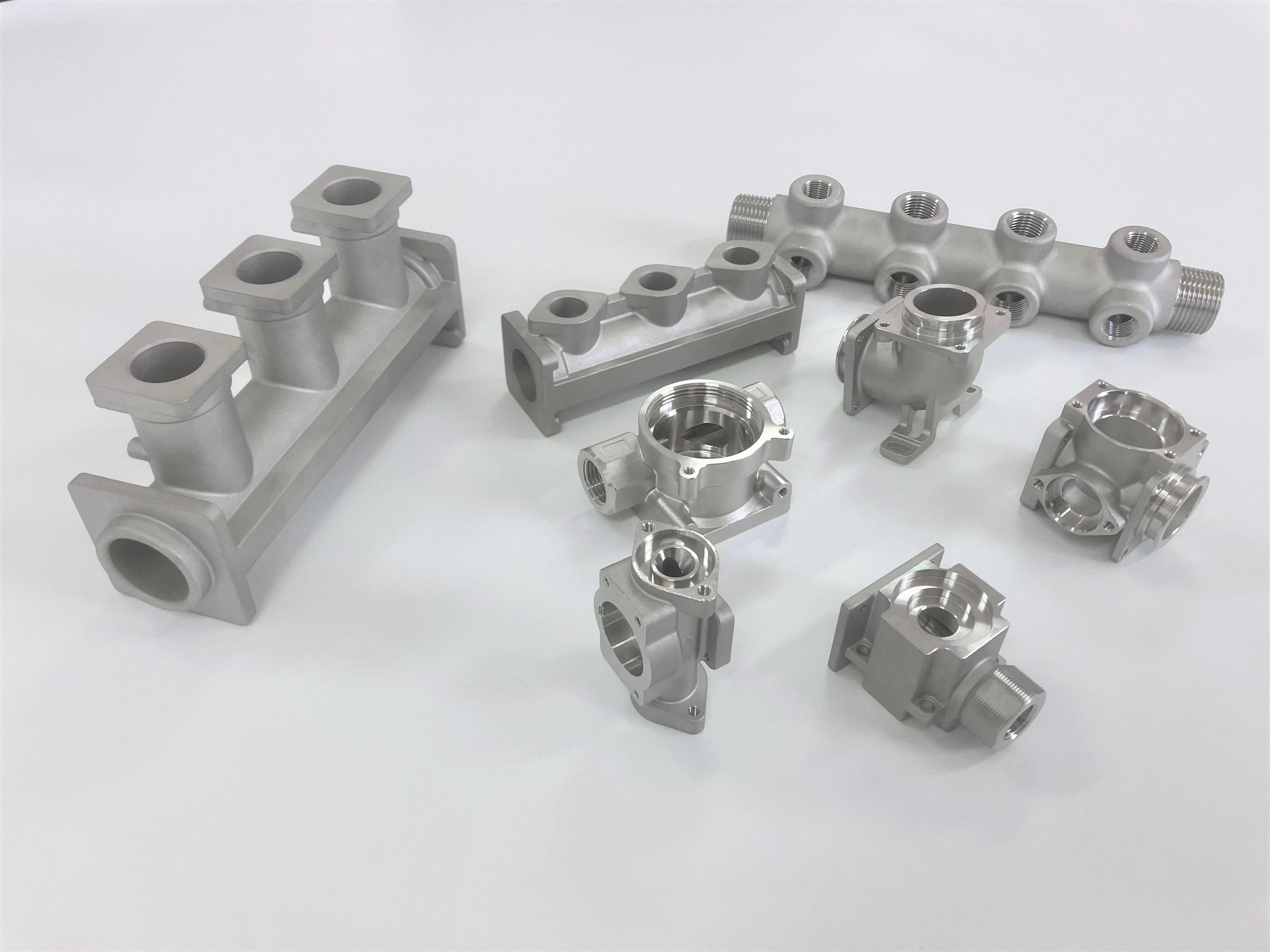
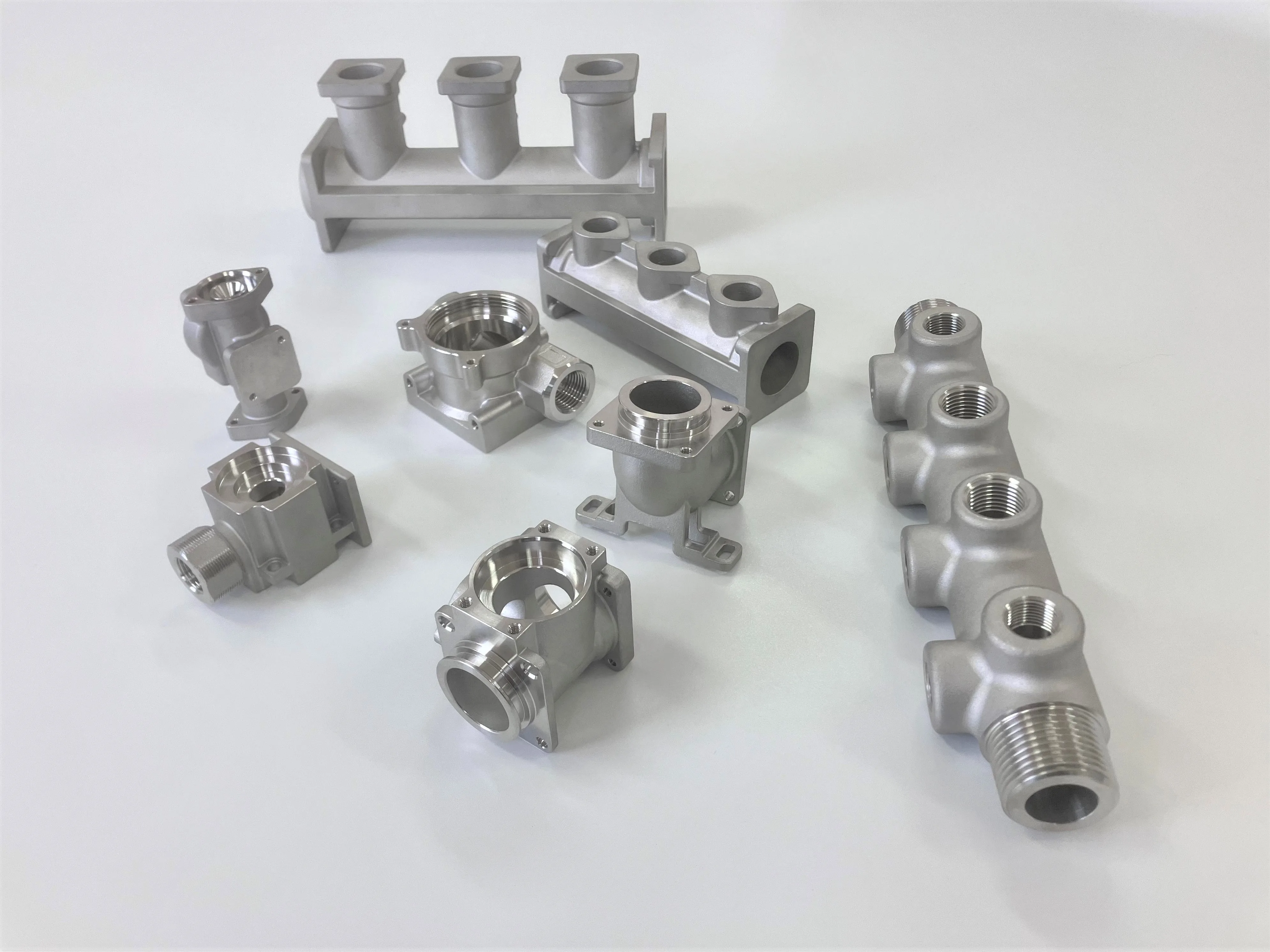
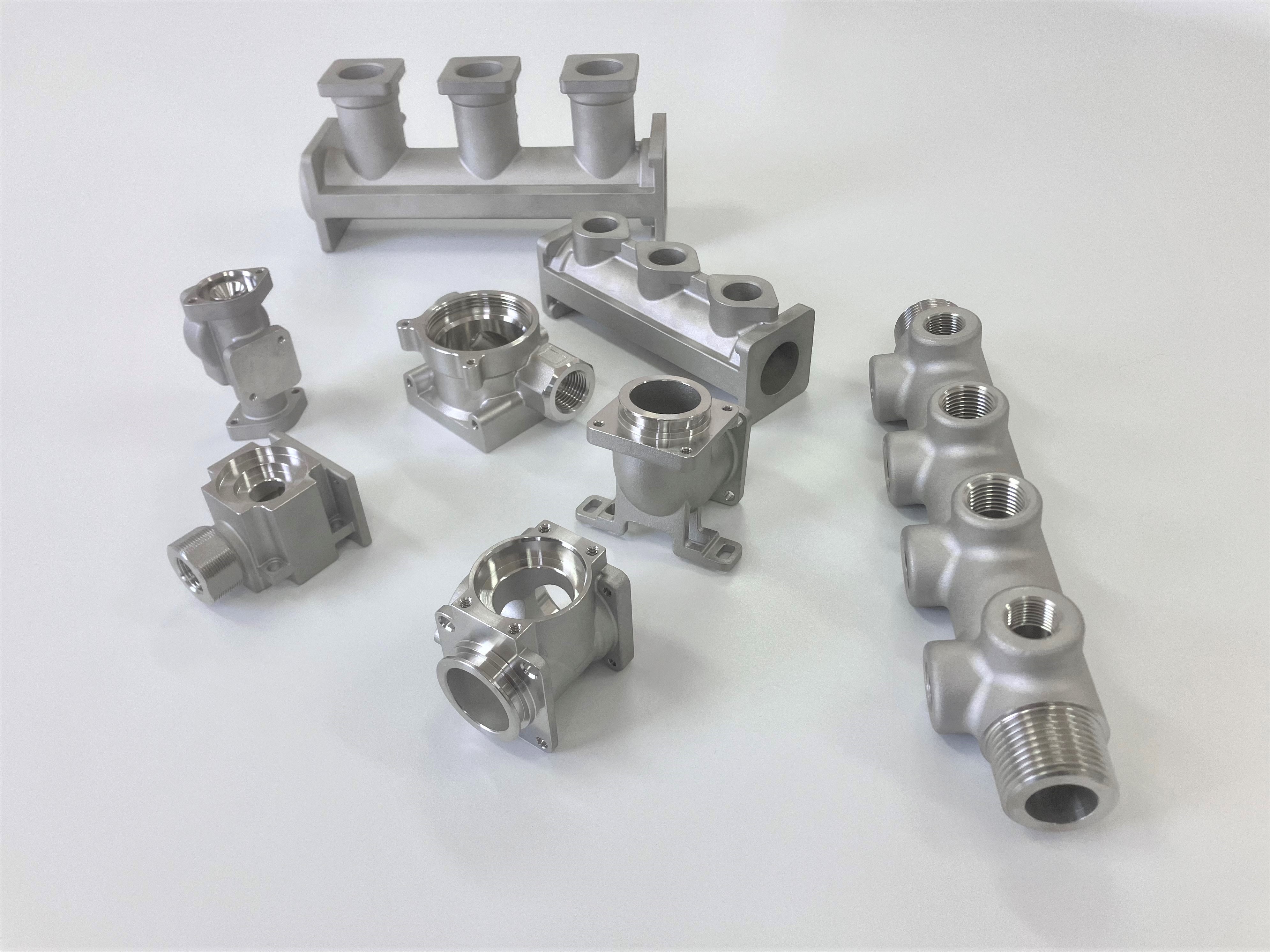
Metal fluid equipment: a precision combination of casting and CNC machining
Metal fluid handling equipment plays a vital role in modern industry, with widespread applications in energy, chemical, water treatment, and pharmaceutical fields. This type of equipment typically needs to withstand high pressure, high temperature, or corrosive media, therefore its...Material properties、Manufacturing precision和Structural integrityIt has extremely high requirements. To meet these stringent standards,Casting和CNC MachiningThese two core processes have become indispensable for manufacturing metal fluid equipment.
Casting: Shaping the basic form of equipment
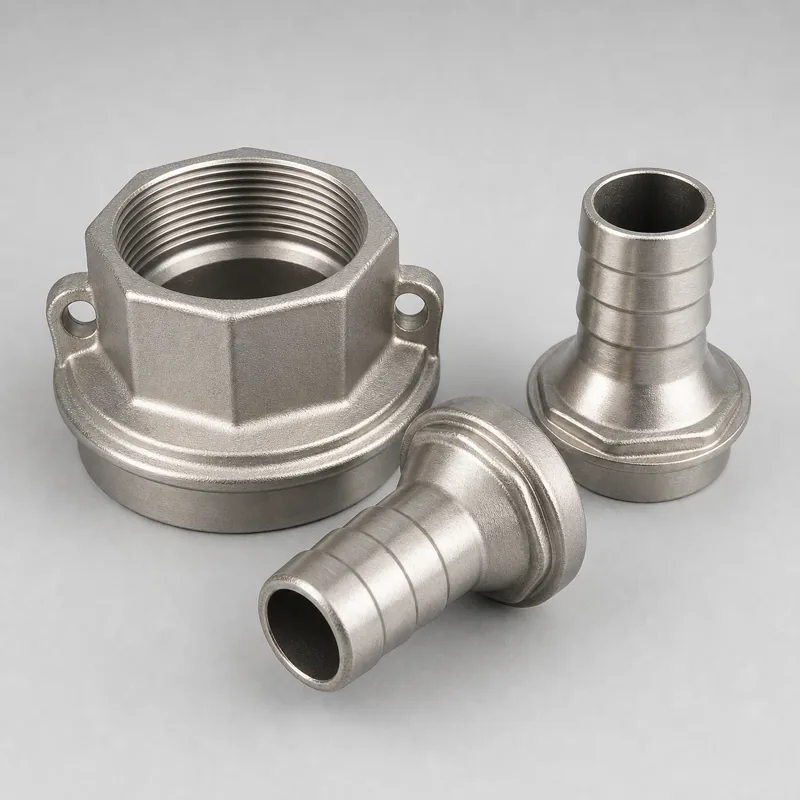
CastingCasting is the first step in the manufacturing of metal fluid equipment. It involves pouring molten metal into a pre-prepared mold, which then cools and solidifies to form the rough shape of the desired part. The advantage of this process is that it can economically and efficiently produce parts with complex geometries. Casting is particularly advantageous for components with internal flow channels and complex cavities, such as valve bodies, pump casings, and pipe fittings.
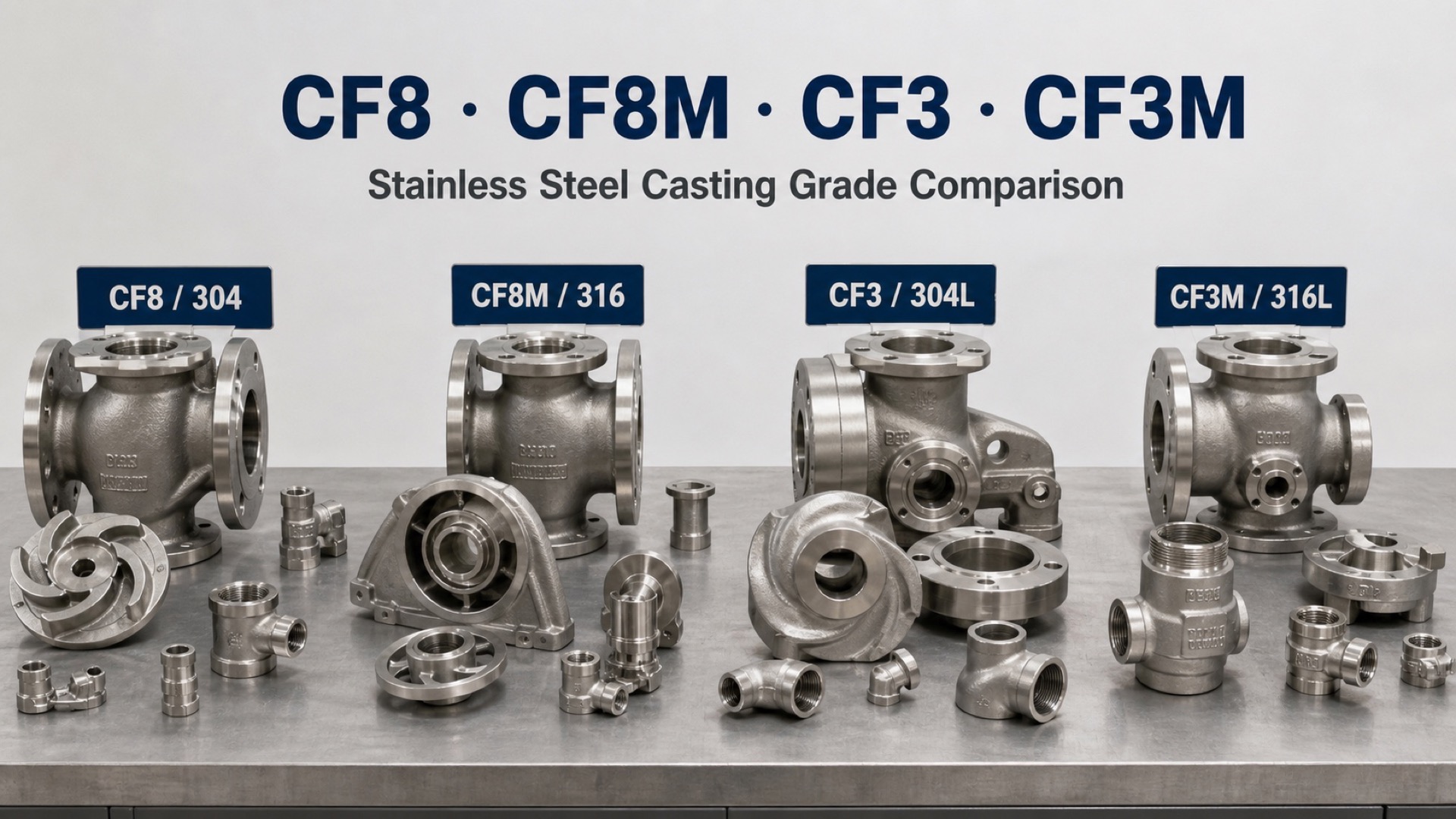
In fluid equipment casting, commonly used metallic materials include:
- Stainless steel: It has excellent corrosion resistance and is suitable for handling corrosive media.
- Carbon steel: It has a low cost and is suitable for fluids under normal pressure and temperature.
- Ductile iron: It has high strength and good toughness, making it suitable for components that withstand high pressure.
- alloy steel: Alloying elements can be added as needed to improve wear resistance, heat resistance, or corrosion resistance.
During the casting processMold Design、Pouring temperature control、Cooling speedas well asSubsequent heat treatmentAll of these factors have a significant impact on the quality, internal structure, and mechanical properties of castings. High-quality castings are the foundation for ensuring the performance of the final product.
CNC machining: meticulous craftsmanship achieves exceptional precision.
While casting can provide a basic shape, it often cannot directly meet the requirements for surface roughness, dimensional accuracy, and critical mating surfaces. In this case,CNC (Computer Numerical Control) MachiningIt has become an indispensable precision manufacturing method.
CNC machining uses pre-programmed instructions to control machine tools for high-precision cutting, drilling, milling, and other operations. In the manufacturing of metal fluid equipment, CNC machining is mainly used for:
- Precision cutting and shaping: The castings are further machined to the required size and shape to ensure precise fit between the components.
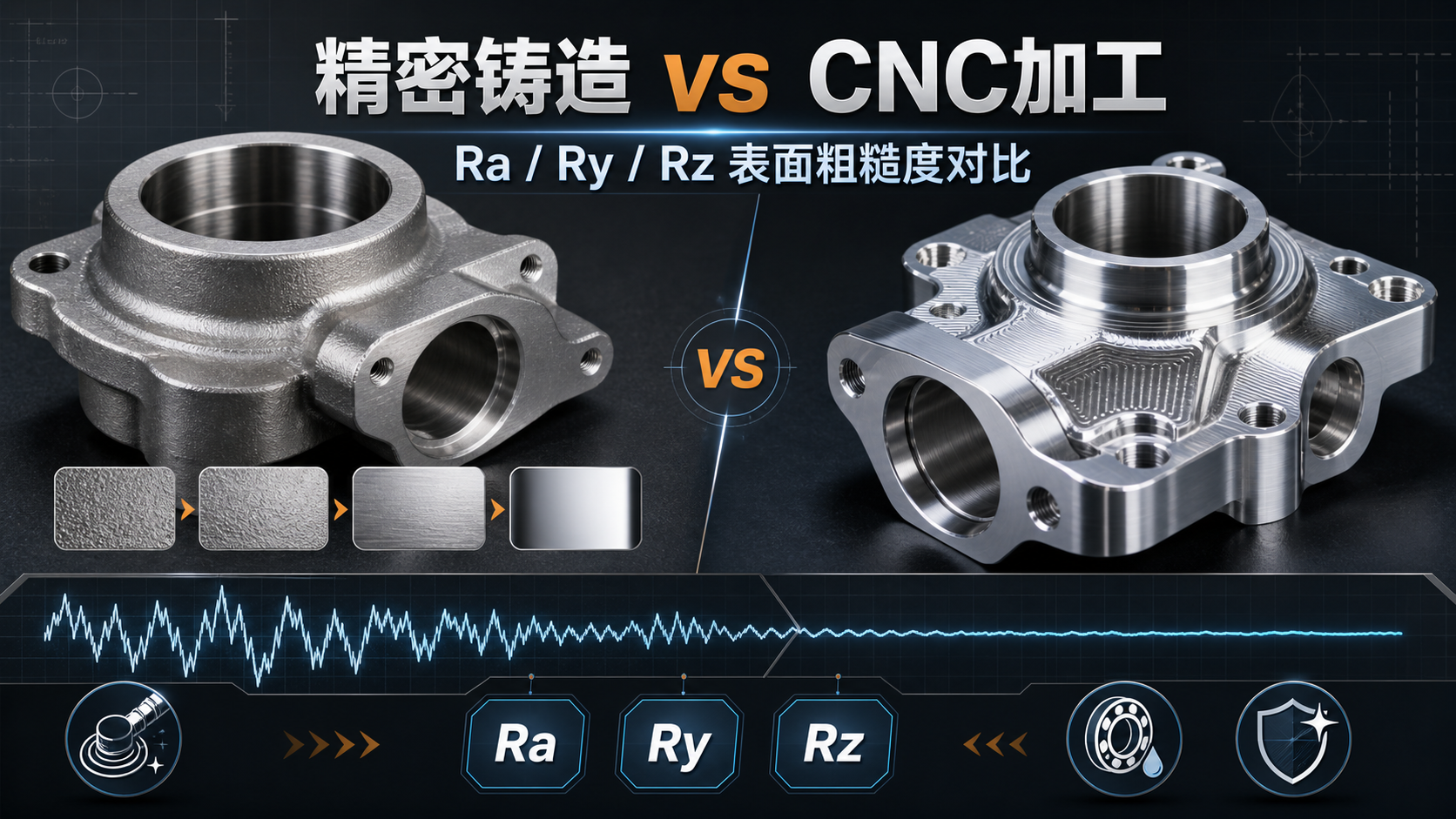
- Improved surface smoothness: Precision machining improves the surface finish of parts, reduces fluid resistance, and increases equipment efficiency.
- Key Dimensions and Geometric Tolerances Control: High-precision machining is performed on key components such as valve seats, valve stems, and sealing grooves to ensure their functionality and sealing performance.
- Threading and hole machining: Precise machining of various threads and holes facilitates equipment assembly and connection.
Modern five-axis CNC machining centers can handle extremely complex geometries and complete the machining of multiple surfaces in a single setup, greatly improving machining efficiency and accuracy. Meanwhile, advanced...CAD/CAM softwareThis makes the design-to-manufacturing process smoother and further improves the manufacturing level of metal fluid equipment.
Synergistic effect of casting and CNC machining
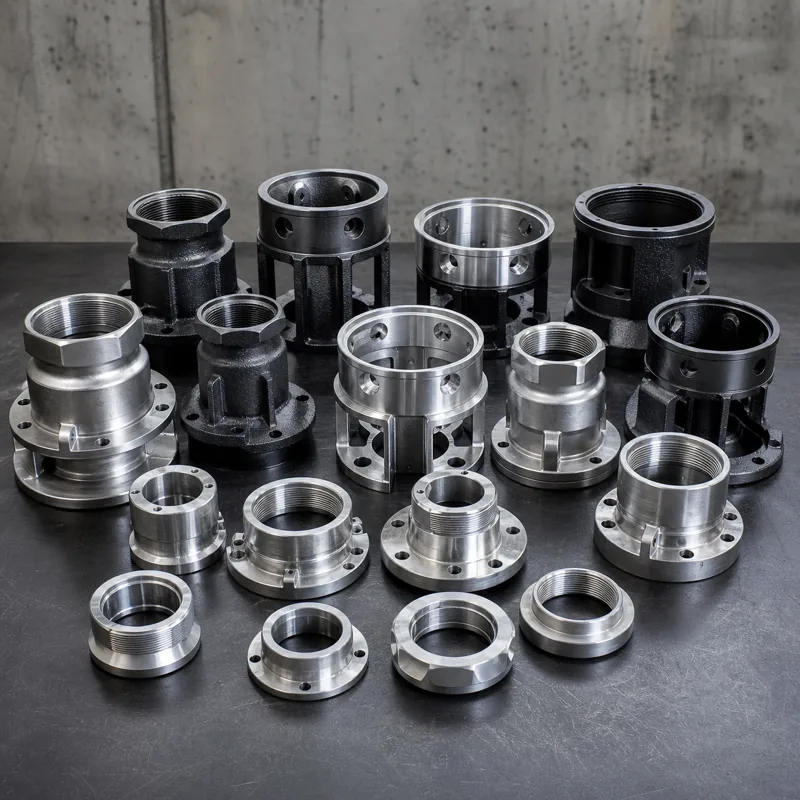
Casting and CNC machining are not independent processes, but rather complementary.Casting provides CNC machining with a blank that is close to the final shape, which greatly reduces the amount of material removed and the machining time, thereby reducing costs. 而CNC machining compensates for the deficiencies of casting in terms of precision and surface quality, giving parts superior functionality and reliability.
By combining the two organically, manufacturers are able to:
- Optimize costs: Cast the general shape, then CNC machine the details.
- Improve production efficiency: Reduce processing time per piece.
- Ensure product quality: To meet stringent size and performance requirements.
- Manufacturing complex components: To meet the needs of complex flow channels and precise fits inside fluid equipment.
Conclusion
The manufacture of metal fluid equipment is a complex engineering project that integrates materials science, casting technology, and precision machining.Casting offers cost-effective forming capabilities, while CNC machining provides products with superior precision and surface quality. The two work closely together to ensure that metal fluid equipment can operate stably and reliably in harsh industrial environments, providing a solid guarantee for the smooth operation of modern industry.
Relevant technical information and product examples
Continue to assess whether the materials, workmanship, and actual parts are suitable for your procurement needs.
- Material selectionCommonly used precision casting material grades for water pump impellers→
- Application AnalysisApplication of precision casting in water pump impeller manufacturing→
- Defect controlApplication and Defect Control of Water Pump Head Casting→
- Product ExamplesPrecision casting and CNC machining of valve and pump impellers→
Pump and valve component process evaluation
Do you have drawings of impellers, valve bodies, or pump bodies that need to be evaluated?
Haijin can evaluate precision casting and CNC post-machining solutions by considering corrosion resistance requirements, flow channel structure, wall thickness, sealing surface, and key mating dimensions.
- Material orientation is determined based on medium and temperature.
- Assess the risks of flow channels, wall thickness, and casting defects.
- Confirm the machining of sealing surfaces, hole positions, and mating dimensions.
 WhatsApp: +86 158 9600 2001Scan the QR code or open WhatsApp to chat