











Precision machining is a necessary process for manufacturing large and small parts according to strict manufacturing specifications and critical tolerances.
Of course, not every job requires this level of precision, but it is crucial when parts need to meet highly specific design specifications. Precision castings are ubiquitous, from medical and aerospace to automotive and home entertainment.
Understanding of finishing:
Precision machiningThe basic form is to take a larger piece of material and then cut off the excess to produce a smaller piece. A material removal process is used to replace the larger piece of material in some way. This smaller piece of material will then be precisely where it's needed to successfully complete the task. Typically, this involves cutting the material to a precise shape and size, so multiple machines are used.
Precision machining is an emerging field in manufacturing, and its work impacts our daily lives. As technology drives the development of manufacturing, precision machining will produce many objects of all sizes used in our daily lives, and each tiny part of these objects requires a certain level of mechanical skill.
Precision machining is the process of cutting various materials to precise dimensions. This process typically involves removing excess material from metal components (or other materials) and reshaping them to high tolerance levels. In short, precision machining reassembles most materials into smaller, more refined parts.
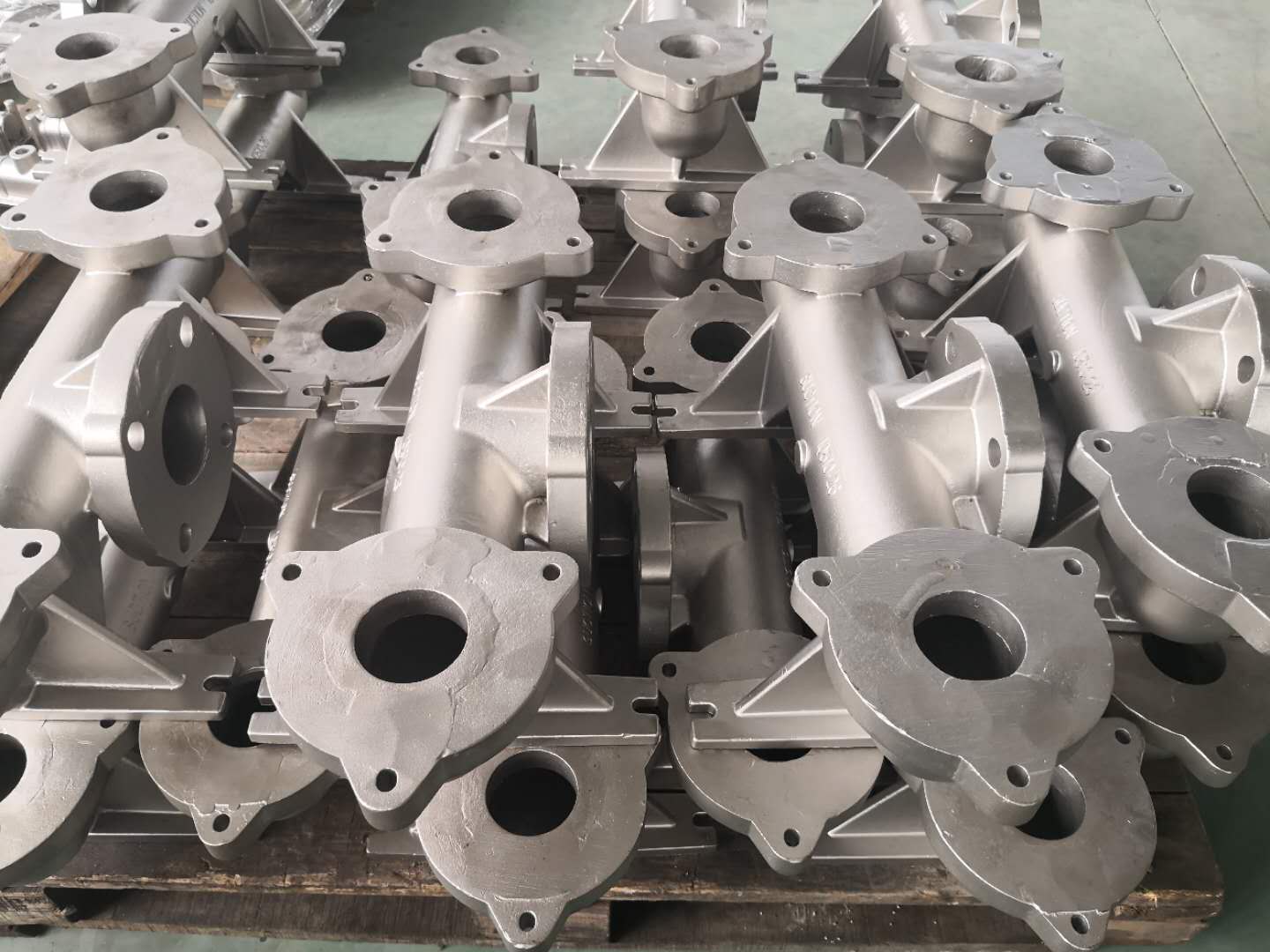
What are their functions?
Precision machining is typically used in mass production in the automotive industry, aerospace parts, shipbuilding parts, and testing of new models and engines, while the mold and die industry primarily serves single-piece, small-batch production. Precision machining in small-batch production is an effective way to save time and material costs and accelerate product marketing cycles.
Small-batch production is closely related to hand-made models, which are a prerequisite for low-precision machining. Low-precision machining is built upon these hand-made models. Precision machining can largely meet the needs of more personalized product customization. In short, precision machining is essential for creating the most critical components in many demanding applications.
The finished parts produced by machining are much more stringent than those produced by standard CNC machining. This is an excellent solution to meet demanding project requirements such as: Tight tolerances: With the right equipment, machining can produce parts with tolerances less than ±0.0001 inches. Repeatability: Successful precision machining means that parts must be able to be machined repeatedly with the same tight tolerances. Volume: Precision machining practices can meet the needs of virtually any volume, from prototyping to mass production and EPC (Engineering, Procurement, and Construction) projects.
Relevant technical information and product examples
Continue to assess whether the materials, workmanship, and actual parts are suitable for your procurement needs.
- Process ComparisonHow to choose between silica sol process and water glass process?→
- Process ComparisonWhat are the differences between precision casting and powder metallurgy?→
- Quality requirementsPrecision casting surface roughness and polishing treatment→
- Product ExamplesCNC machining of industrial and mechanical parts casting→
Manufacturing process evaluation
We need to determine which manufacturing process is suitable for this part.
Please provide the structure, material, quantity, key dimensions, and surface requirements. We will conduct an evaluation based on precision casting, post-processing, CNC machining, and inspection.
- Assess wall thickness, fillet radius, and molding risks.
- Confirm casting allowance and post-machining location
- Select process based on quantity, quality and delivery time.
 WhatsApp: +86 158 9600 2001Scan the QR code or open WhatsApp to chat


