










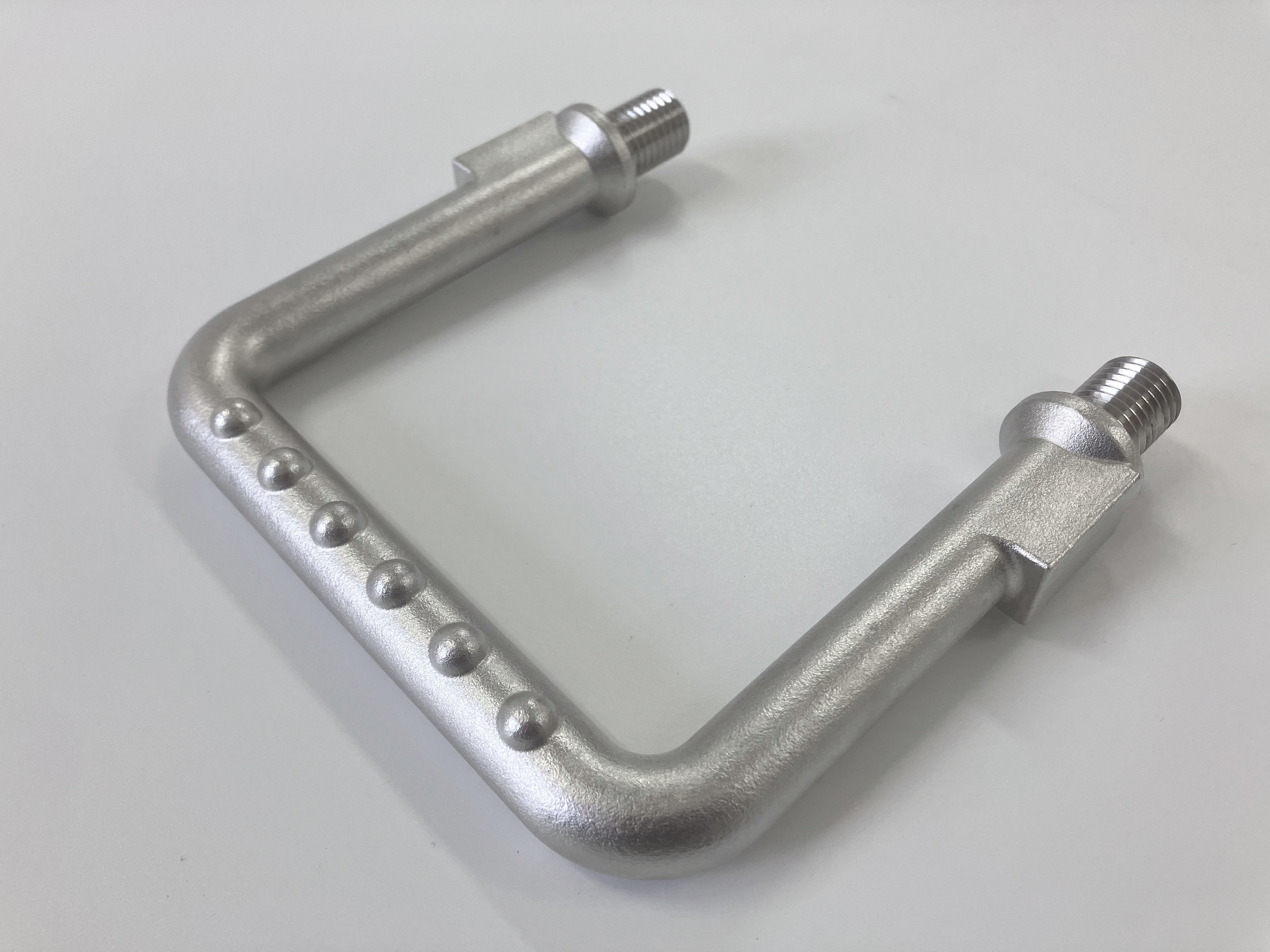
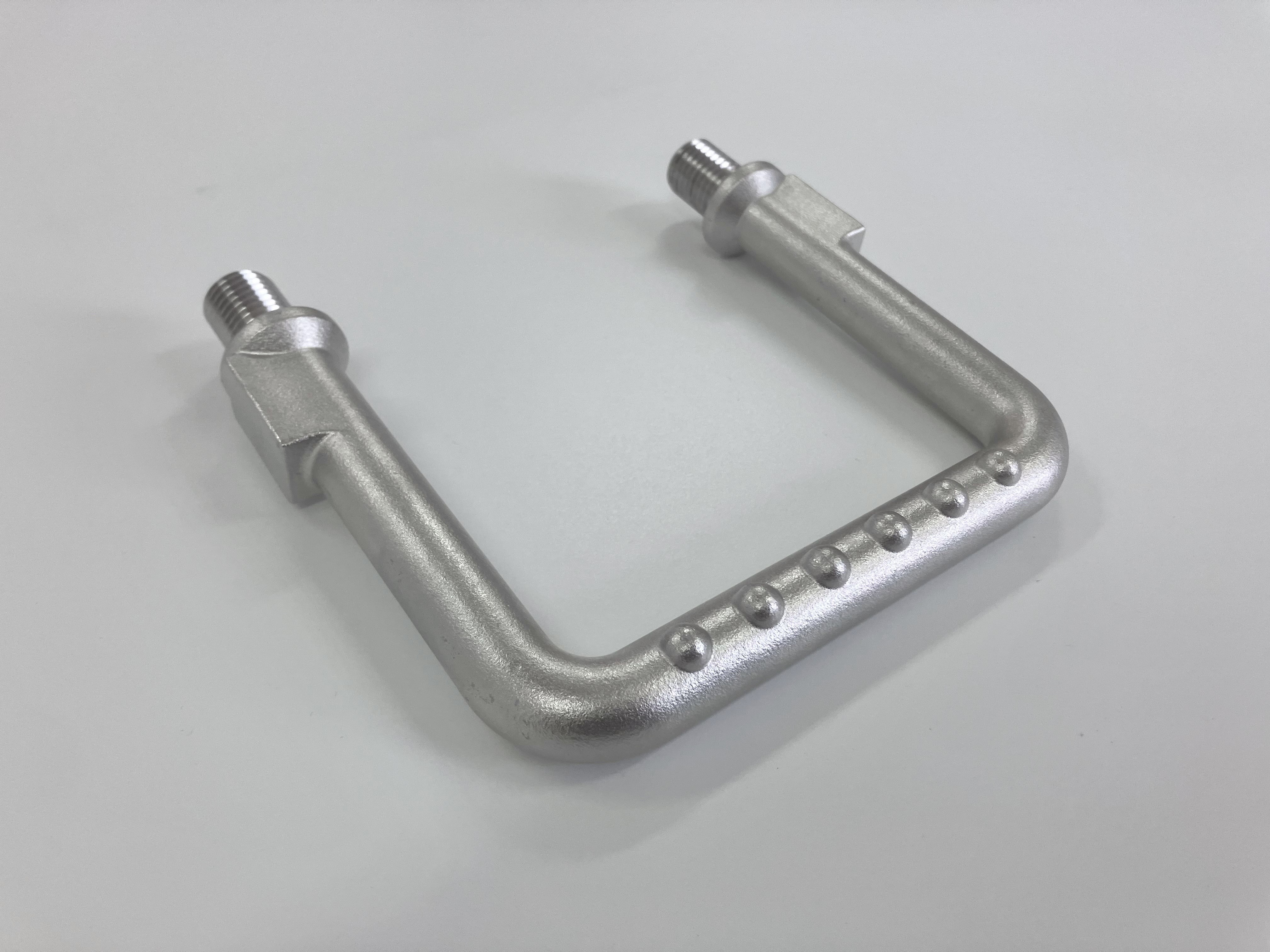
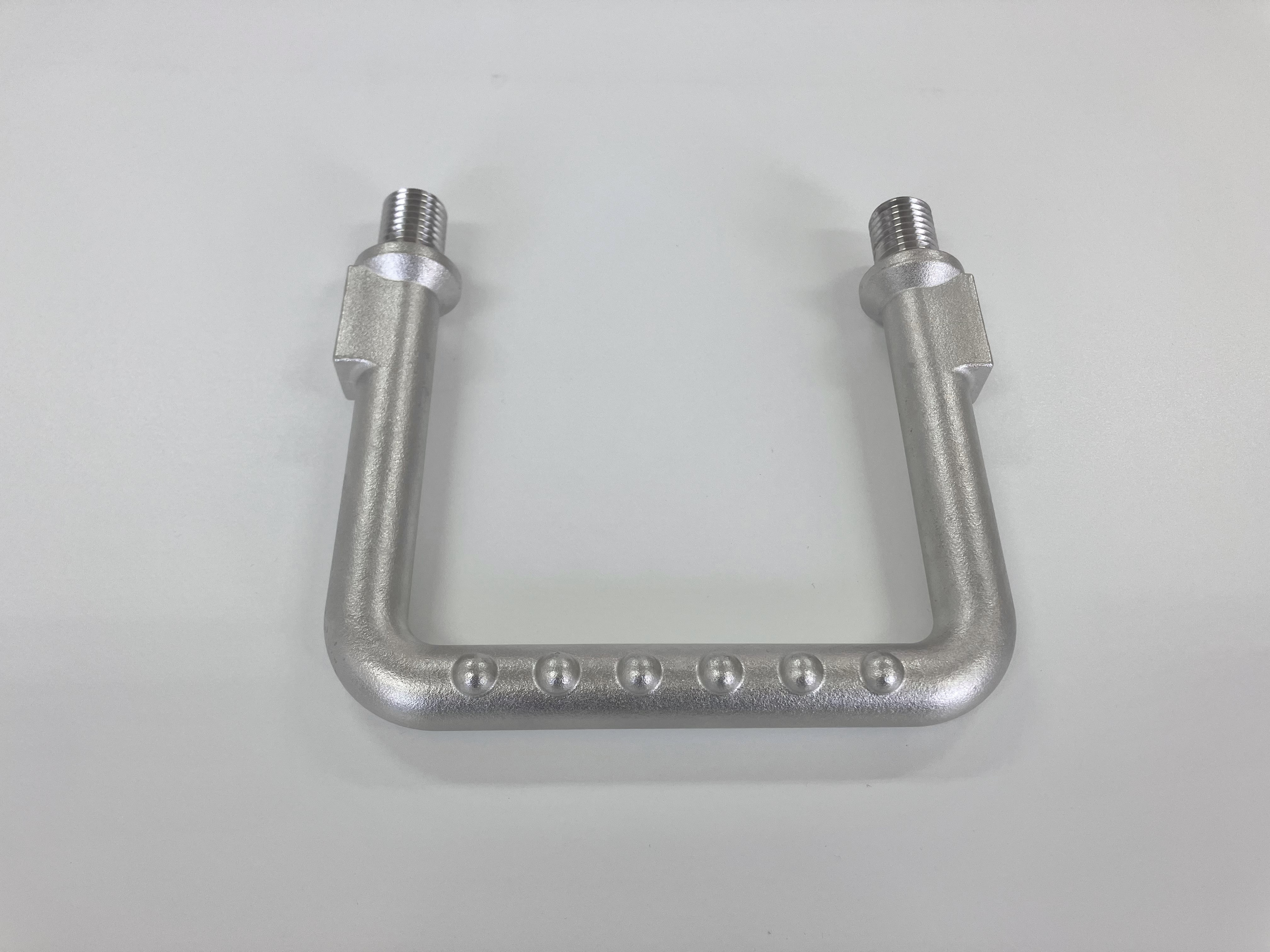
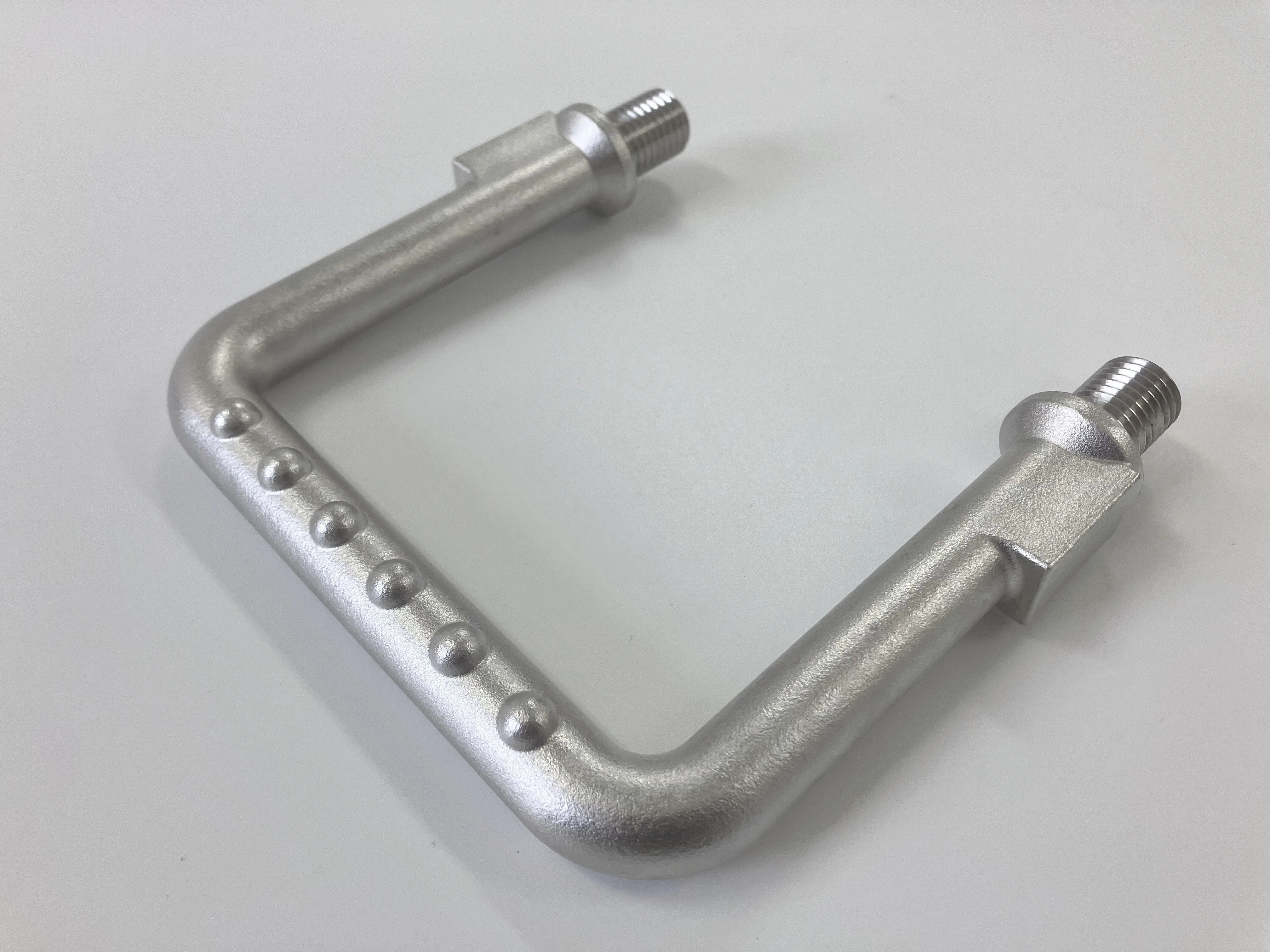
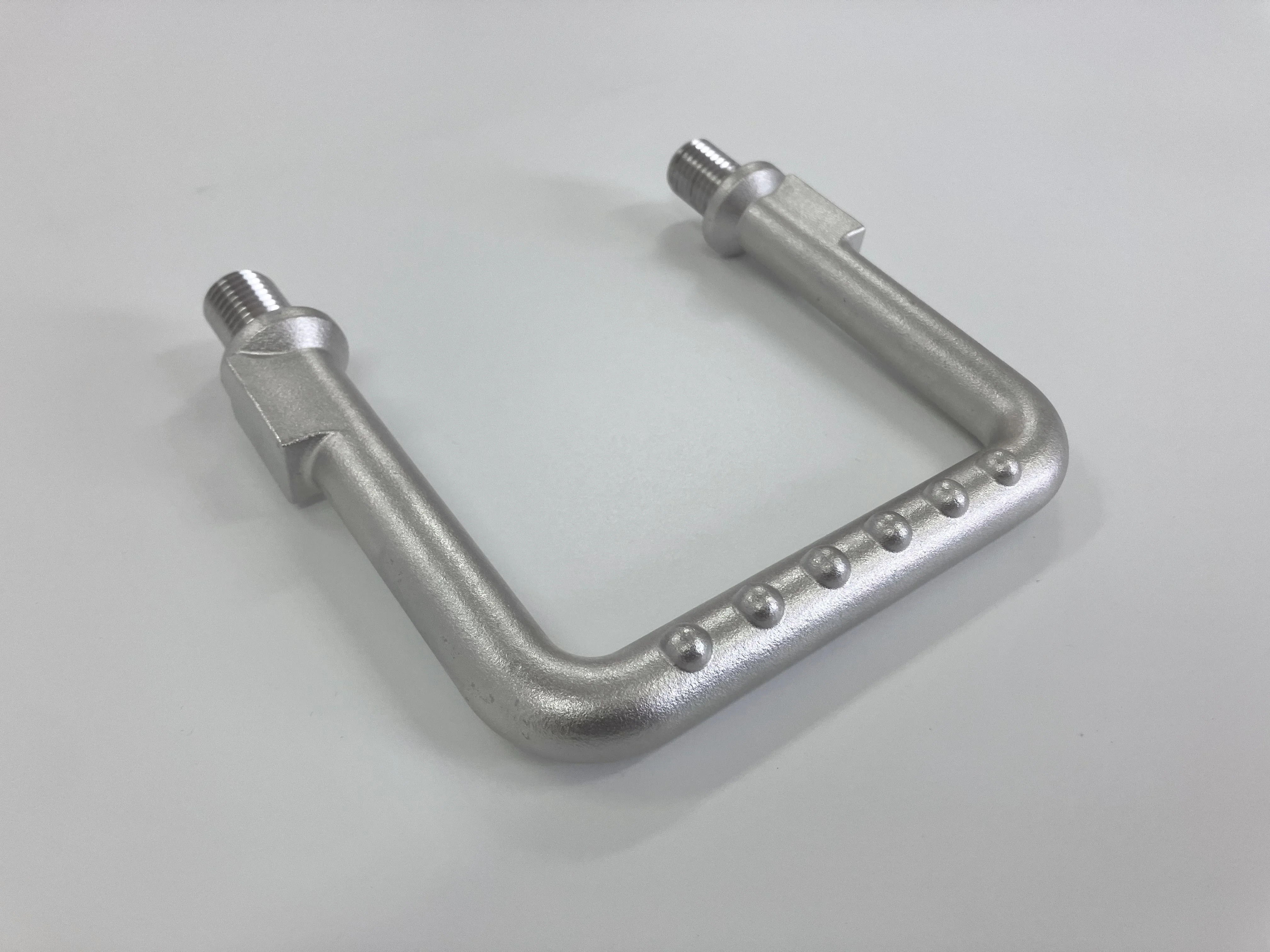
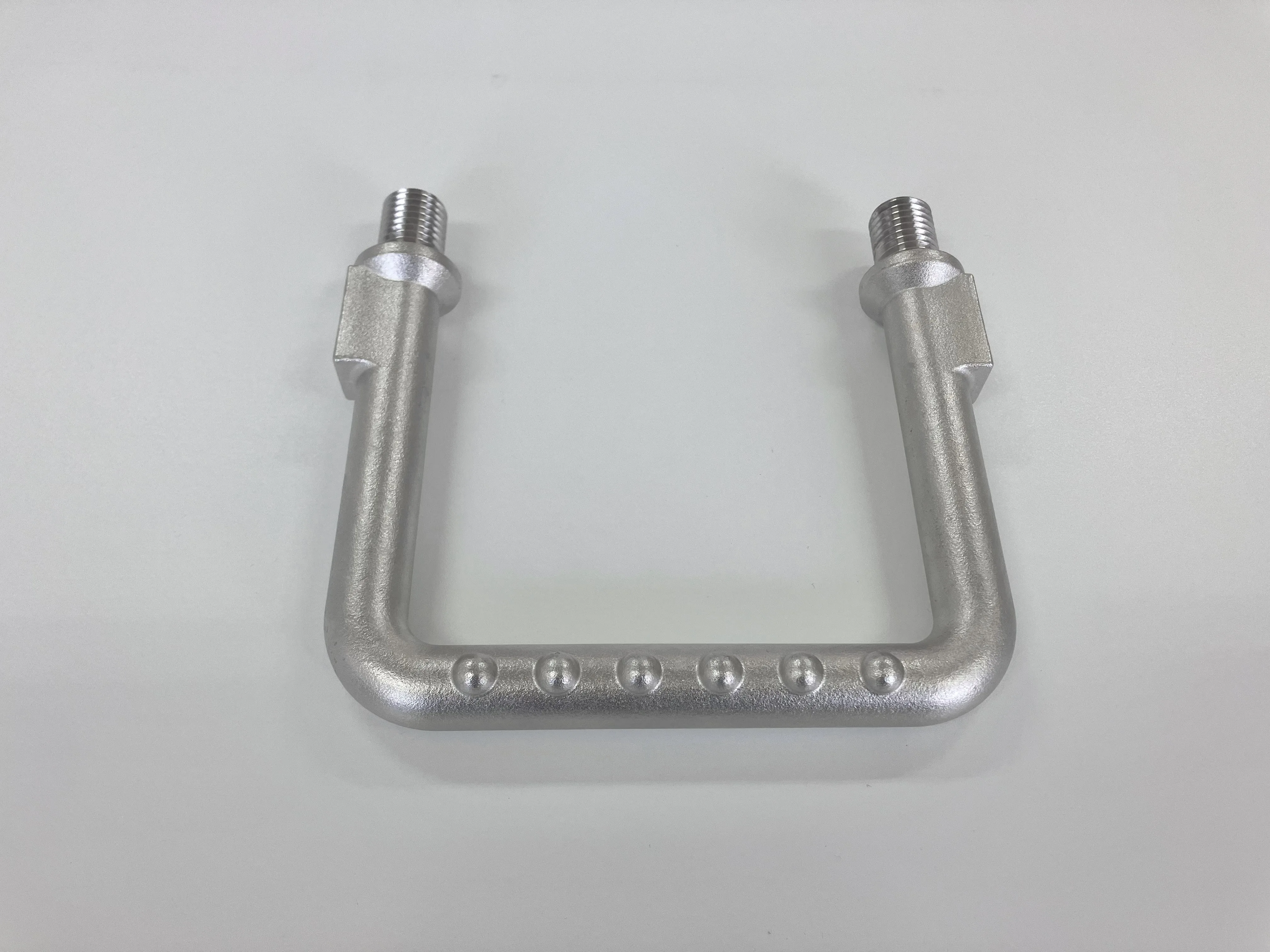
Stainless steel U-shaped handles for rail vehicles are mainly customized to meet the needs of high-speed rail, subway, passenger cars, and public transportation equipment based on provided drawings. Product pricing cannot be determined solely by shape or weight; it also requires a comprehensive evaluation considering material standards, batch quantity, critical dimensions, tolerances, surface treatment, and the actual usage environment.
Structural and technological evaluation of stainless steel U-shaped handles for rail vehicles
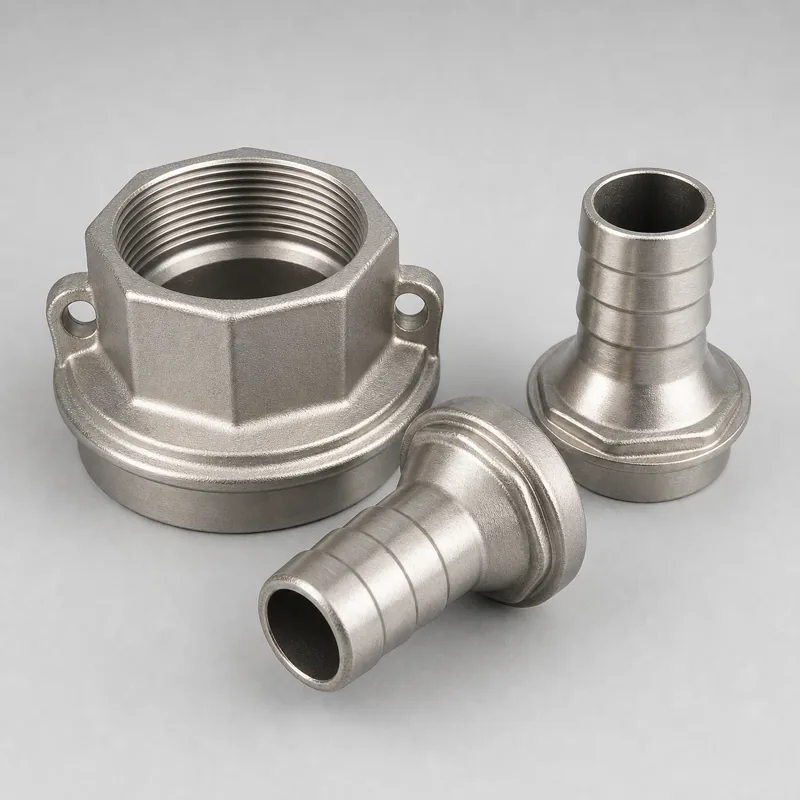
These types of parts typically require special attention to the U-shaped bend structure, anti-slip protrusions, and the connection points at both ends. Silica sol is used.Investment CastingDuring the drawing review stage, the wall thickness transition, fillets, parting method, casting shrinkage compensation and machining allowance will be confirmed to deal with deformation, shrinkage cavities, air holes and subsequent clamping risks as much as possible in advance.
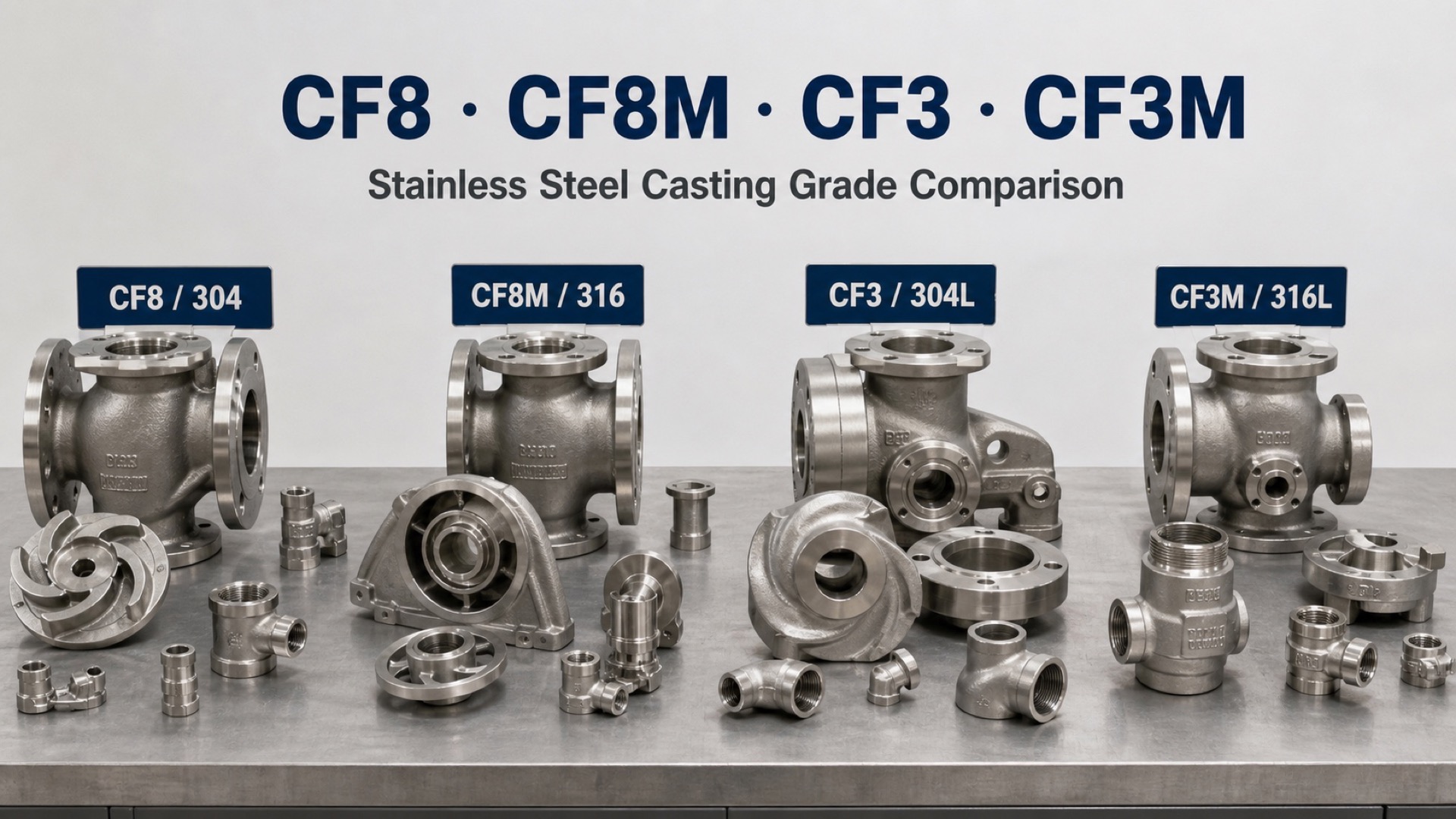
If the parts involve pressure resistance, corrosion resistance, food contact, high temperature, or continuous stress, please specify the medium, temperature, pressure, load, and applicable standards when requesting a quote. Common designations such as 304, 316, and 316L are only preliminary guidelines; formal production should adhere to the grade, chemical composition, and acceptance requirements specified in the drawings.
Compatible CNC post-processing
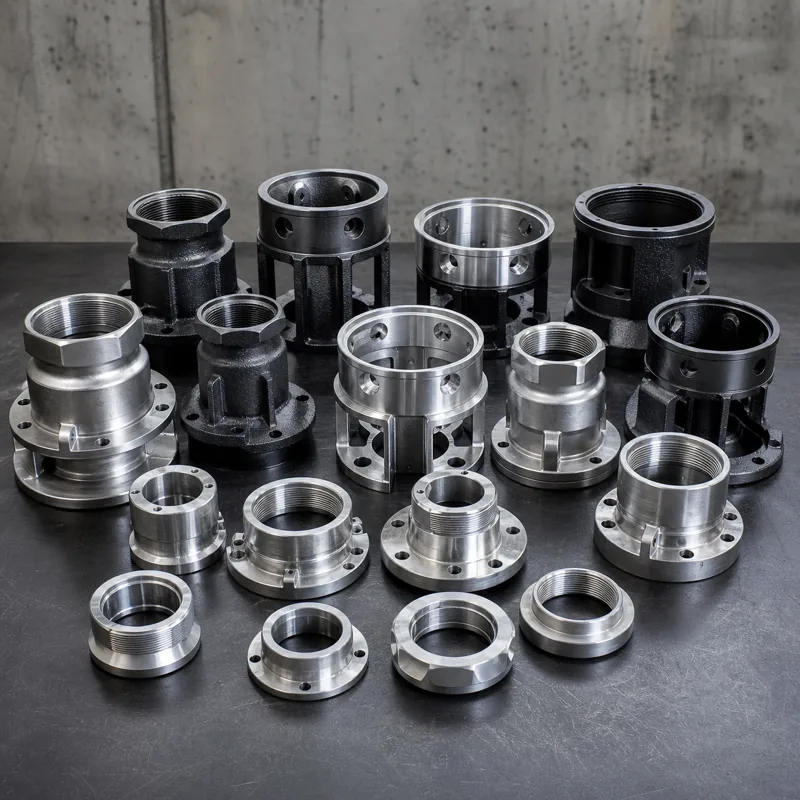
After the casting blank is cleaned, the threads, end connections, and dimensional consistency can be arranged according to the drawings. For assemblies, the datum, key tolerances, surface roughness, and fit relationships should be marked in advance. For projects that require batch delivery, mass production can begin after the first piece is confirmed to reduce dimensional discrepancies.
Inspection and Delivery Key Points
- Material:Confirm the furnace batch and material requirements according to the agreed grade, and communicate the spectrum or material report if necessary.
- size:The key areas to check are the hole positions, end faces, threads, mating surfaces, and critical dimensions marked on the drawings.
- Appearance:Check for cracks, missing material, obvious pinholes, deformation, and cleaning condition.
- Specialized testing:For pressure-bearing, sealing, or critical load-bearing components, non-destructive testing and performance verification can be negotiated on a project-by-project basis.
What information should be provided in the inquiry?
We recommend providing PDF drawings, CAD or STEP models, material grade, purchase quantity, key tolerances, surface treatment, and expected delivery date. If the information is incomplete, you can also send photos of the actual product, its intended use, and key dimensions for process engineers to determine suitability.Investment Casting。
You can continue viewingRelated processing capabilities、Quality controlor directlyRequest a Quote。
Relevant technical information and product examples
Continue to assess whether the materials, workmanship, and actual parts are suitable for your procurement needs.
- Process ComparisonHow to choose between silica sol process and water glass process?→
- Material selectionHow to choose between 304, 304L, 316, and 316L stainless steel castings→
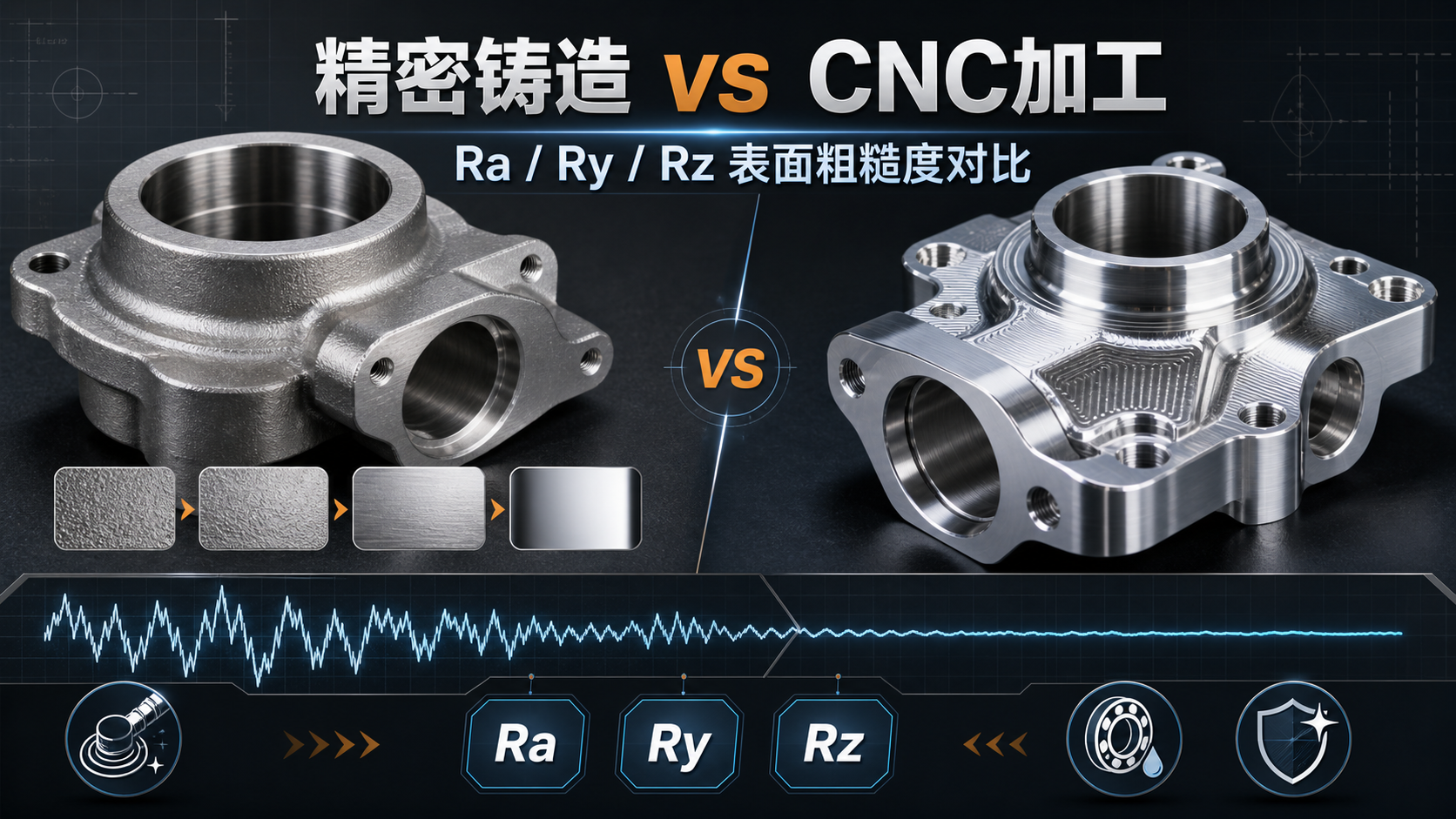
- Quality requirementsPrecision casting surface roughness and polishing treatment→
- CapabilitiesCustom processing of stainless steel castings→
Customization of similar parts
Do I need a quote for this part or similar product?
Please send us drawings, sample photos, material specifications, and purchase quantity. We will evaluate the materials based on the structure, machining allowance, inspection, and delivery requirements.
- Confirm whether the structure is suitable for precision casting.
- Evaluate critical dimensions and CNC machining allowances
- Organize quotations based on purchase quantity and delivery date.
 WhatsApp: +86 158 9600 2001Scan the QR code or open WhatsApp to chat