










In furnace supports, heat treatment fixtures, heat-resistant brackets, and structural components of high-temperature equipment, materials must not only withstand temperature but also endure repeated temperature rises and falls, oxidizing atmospheres, and long-term loads.310SHigh-temperature resistant stainless steel castings(Also commonly referred to in domestic procurement)2520It is suitable for castings that require both high-temperature oxidation resistance and complex forming structures.
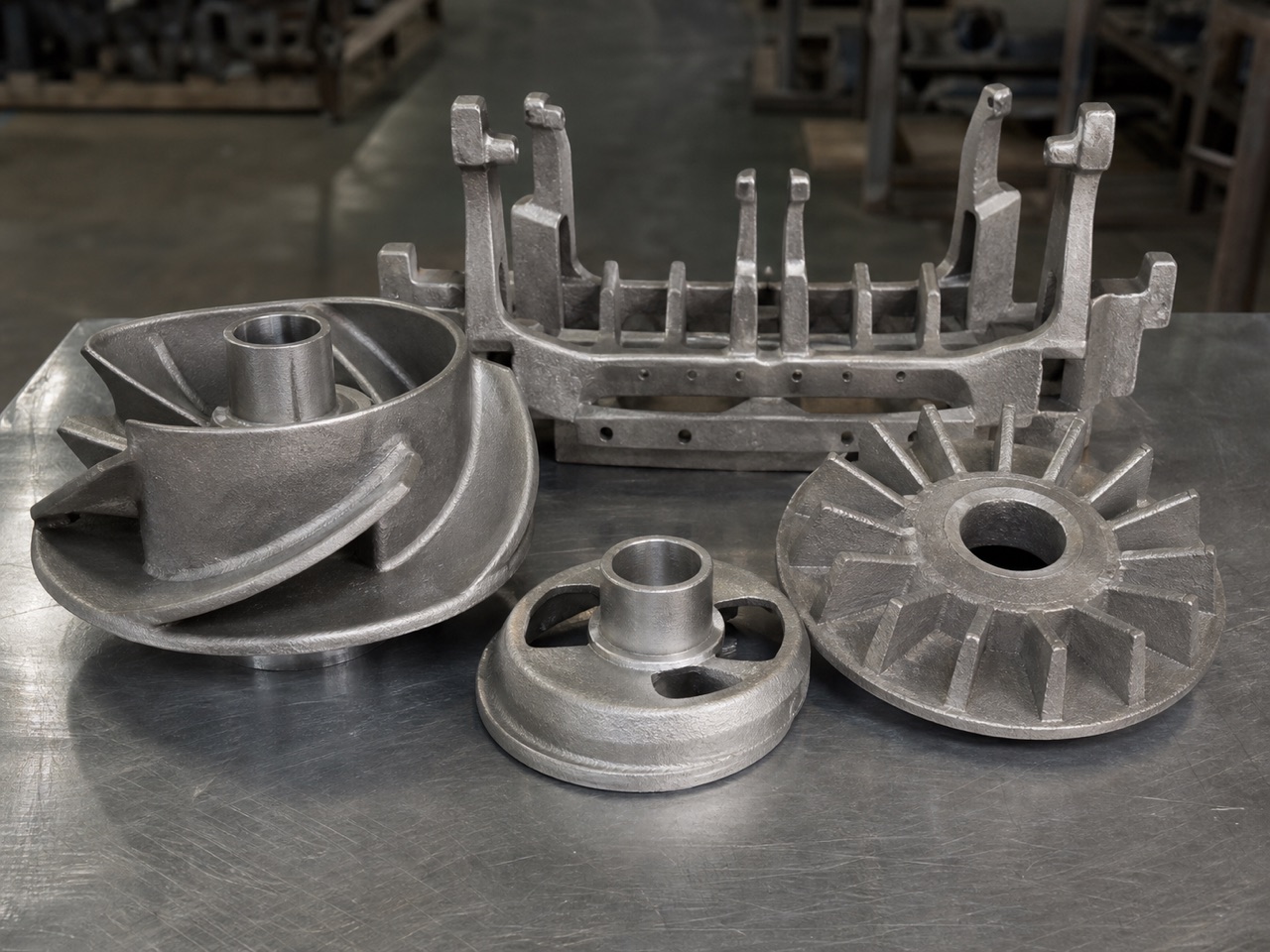
What working conditions are 2520 (310S) heat-resistant stainless steel suitable for?
310S is a high-chromium, high-nickel austenitic heat-resistant stainless steel, often referred to as "2520" in domestic procurement. Its selection is primarily based on stability under high-temperature oxidizing environments, rather than simply using room-temperature strength as a substitute for working condition design. The suitability of castings needs to be comprehensively confirmed considering continuous or intermittent operating temperatures, furnace atmosphere, stress patterns, wall thickness, and service life requirements.
Common high temperature resistancePrecision castingItem form
- Supports, brackets, hangers, and firing structure components for heat treatment furnaces and industrial furnaces;
- Heat-resistant trays, grates, guide components, and integral castings requiring complex profiles;
- Heat-resistant mechanical parts, connectors, and mounting bases manufactured according to drawings.
Precision casting is suitable for parts with ribs, holes, corners, and irregular contours, reducing the need for assembly of complex structures. For subsequent assembly or load-bearing parts, holes, mating surfaces, and critical dimensions should still be machined and inspected according to the drawings.
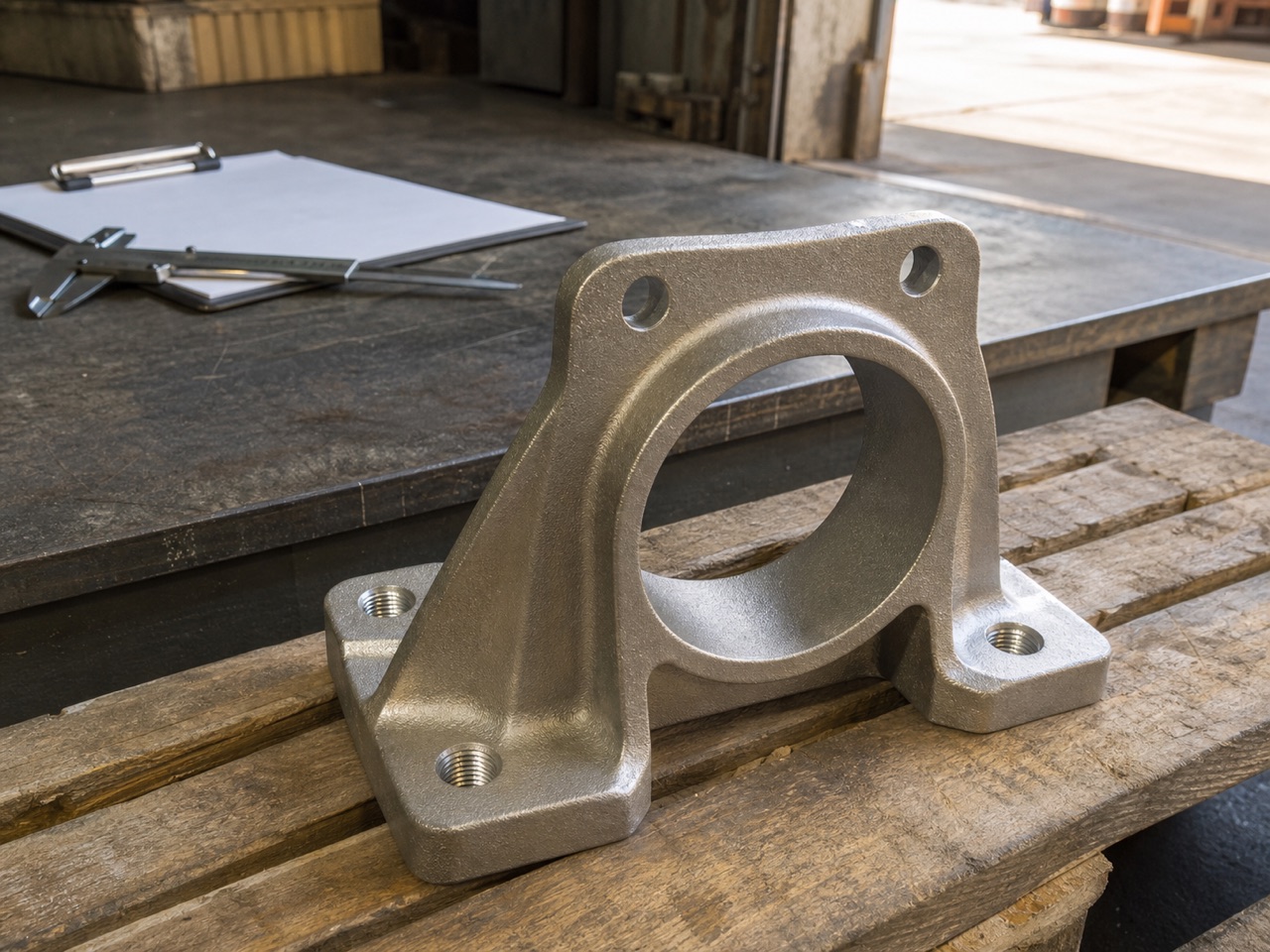
Process considerations for 310S heat-resistant castings
Structural and casting communication:Sudden changes in wall thickness, large hot spots, and slender structures can affect forming and subsequent use. Drawings, dimensional tolerances, and machining allowances should be checked before quoting a price.
Material and condition confirmation:When ordering, it is recommended to specify the implementation standard or chemical composition requirements of 310S/2520, and indicate whether material certification, heat treatment status or other inspection items are required.
Dimensional and surface inspection:The as-cast surface, cleaned condition, key holes, and installation dimensions should be inspected according to the drawings; for parts with matching requirements, the processing and measurement methods can be agreed upon separately.
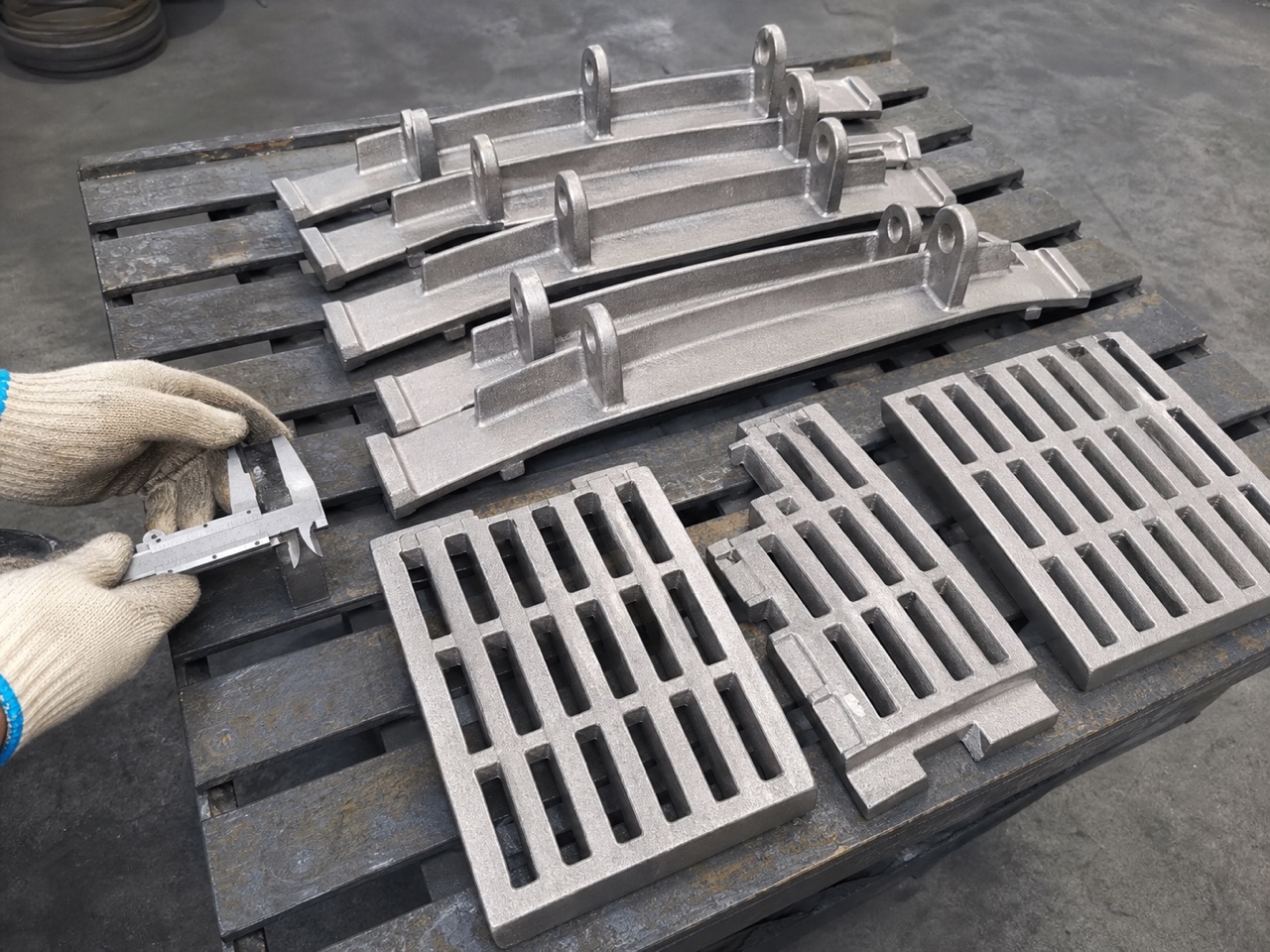
Recommended documents to prepare before requesting a quote
- Part drawings or sample information, including key dimensions, tolerances, unit weight, and machined surfaces;
- Material grade and standard requirements, such as 310S/2520, and specify the required inspection documents;
- Operating temperature, medium or furnace atmosphere, load-bearing method and frequency of use;
- Expected quantity, delivery batch, and packaging or traceability requirements.
If you are looking for 2520 (310S) high-temperature resistant stainless steel castings or 310S heat-resistant stainless steel precision castings, you can provide drawings and working condition information for technical communication so that the material, process route and inspection content can be confirmed according to actual requirements.