Supports provided drawings and samples; 24-hour response.
Supports provided drawings and samples; 24-hour response.

May 27, 2026
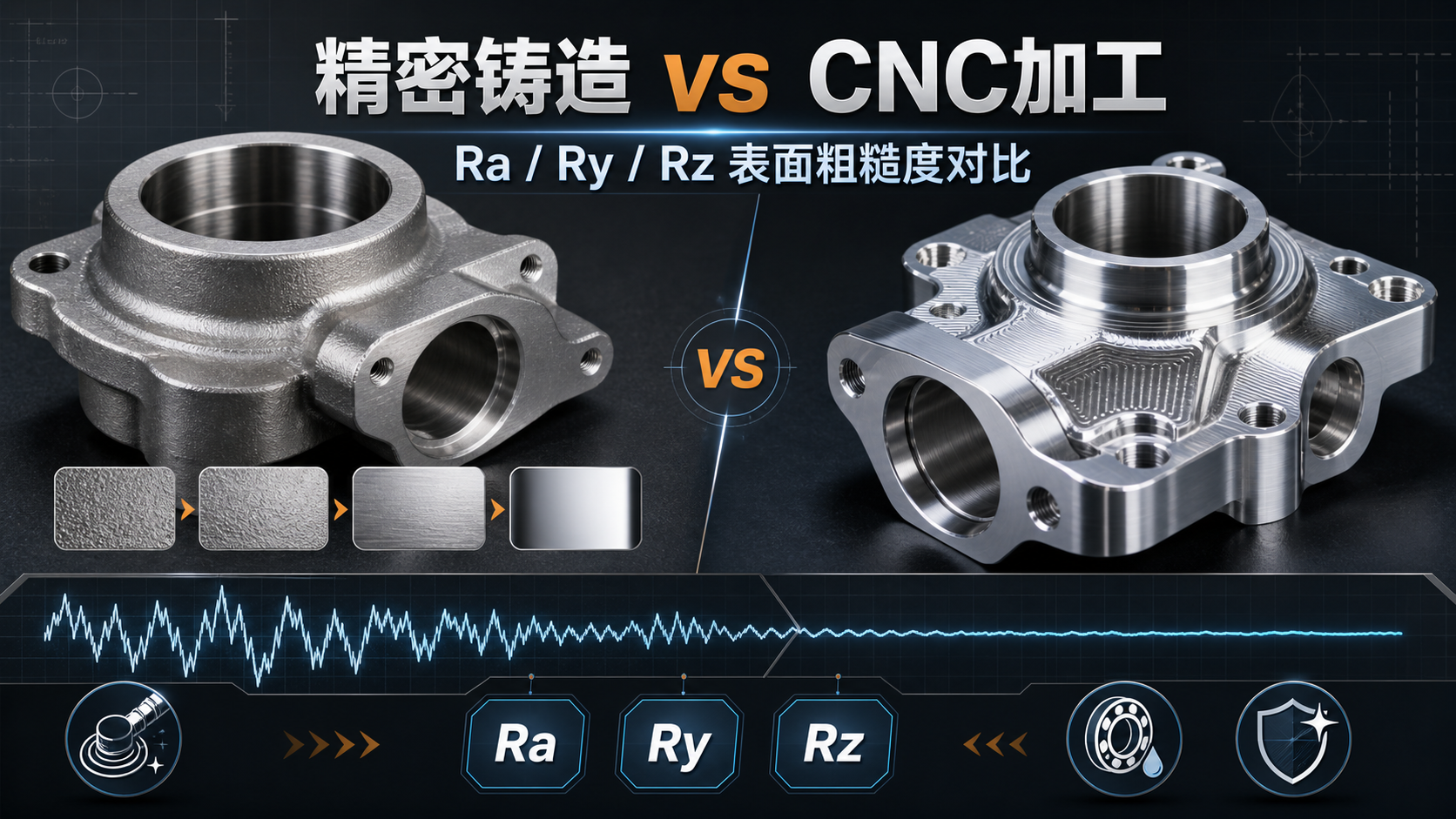
In procurement drawings, quality reports, or surface treatment requirements for precision casting and CNC machined parts, terms such as Ra, Ry, Rz, and polishing level are frequently seen. While all related to surface finish, they are not the same concept. Choosing the wrong indicator may result in parts that, although "looking shiny," fail in sealing, fit, wear resistance, or coating adhesion. This article, starting from the practical applications of stainless steel precision casting and CNC machining, compares surface roughness indicators, common polishing states, metal wear risks, and subsequent surface treatment selection strategies. I. Surface Finish and Roughness: Surface finish cannot be judged solely by "shine." Surface finish is a common description of surface smoothness and fineness; engineering acceptance typically quantifies it using surface roughness parameters, usually in μm. Lower roughness generally indicates lower microscopic peaks and valleys, but a mirror-like appearance does not necessarily represent a critical functional surface…
May 27, 2026
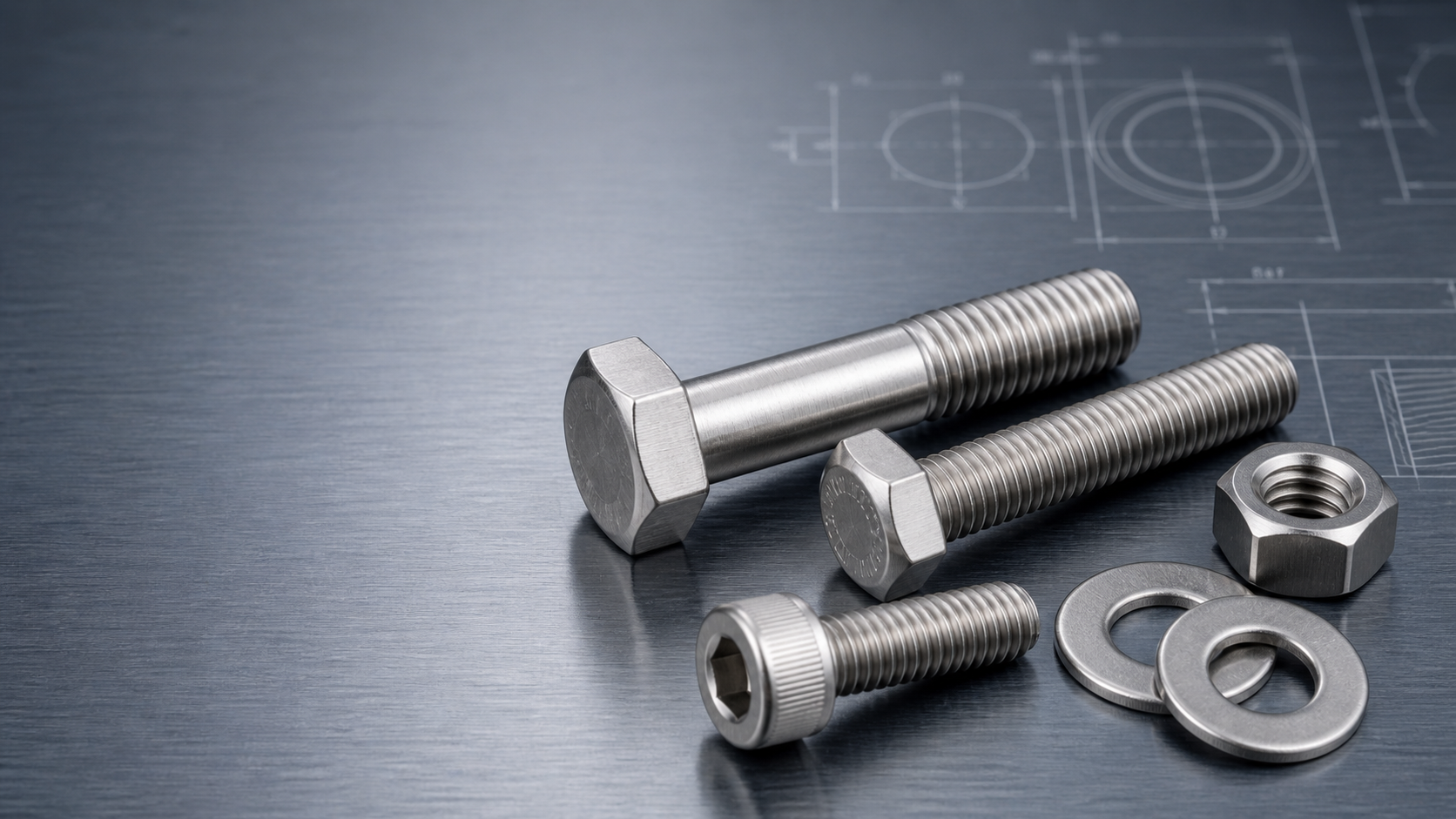
This document summarizes the correspondences between common ISO, DIN, GB/T, and ASME/ANSI standards for hex bolts, nuts, socket head cap screws, washers, and set screws, and introduces key points for selecting stainless steel fasteners.
May 26, 2026
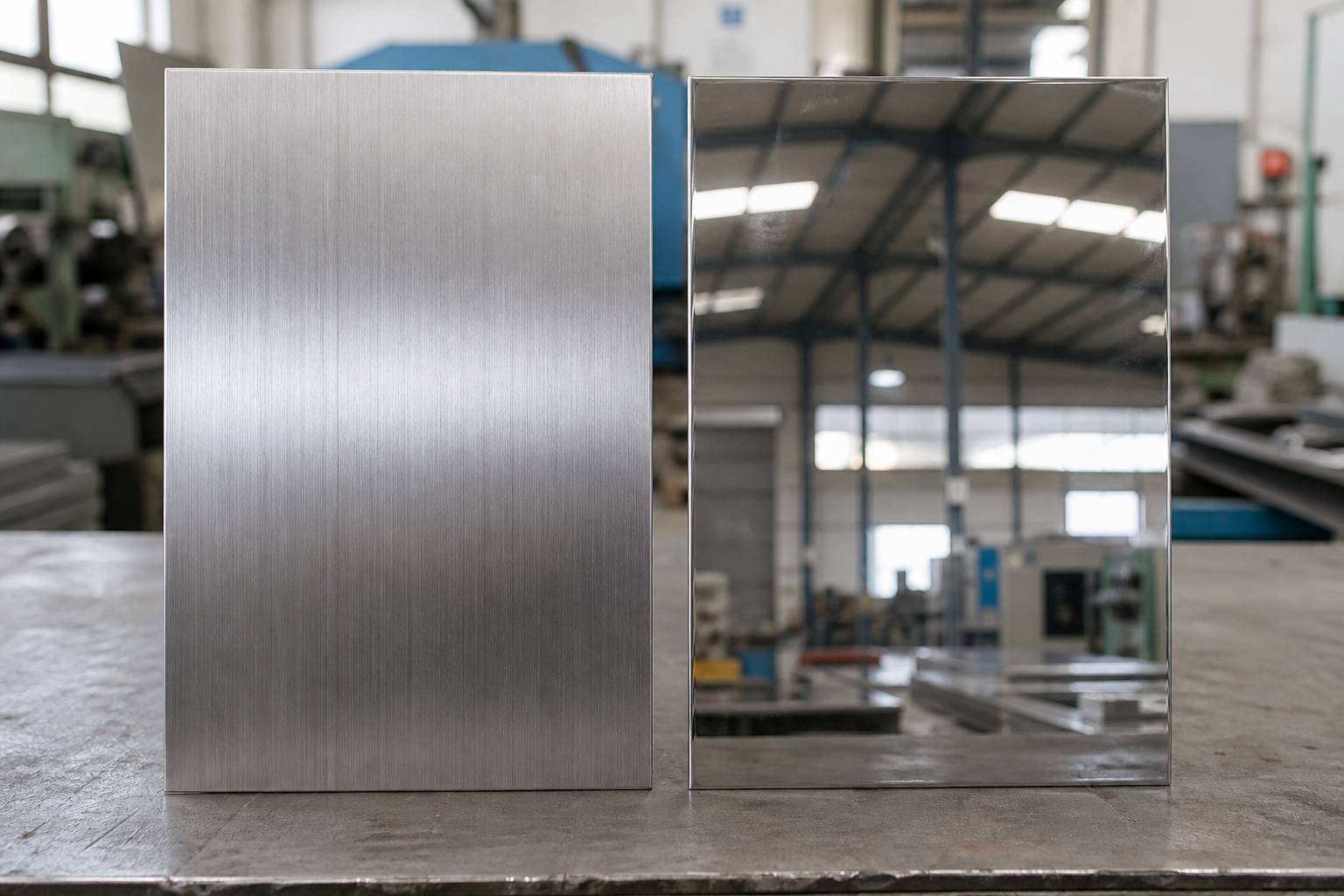
Brushed polishing emphasizes aesthetics and ease of maintenance, while mirror polishing highlights brightness and display effect. This article compares the appearance, maintenance, processing, and applicable scenarios of these two stainless steel surface treatments to help projects choose the right one.
May 26, 2026
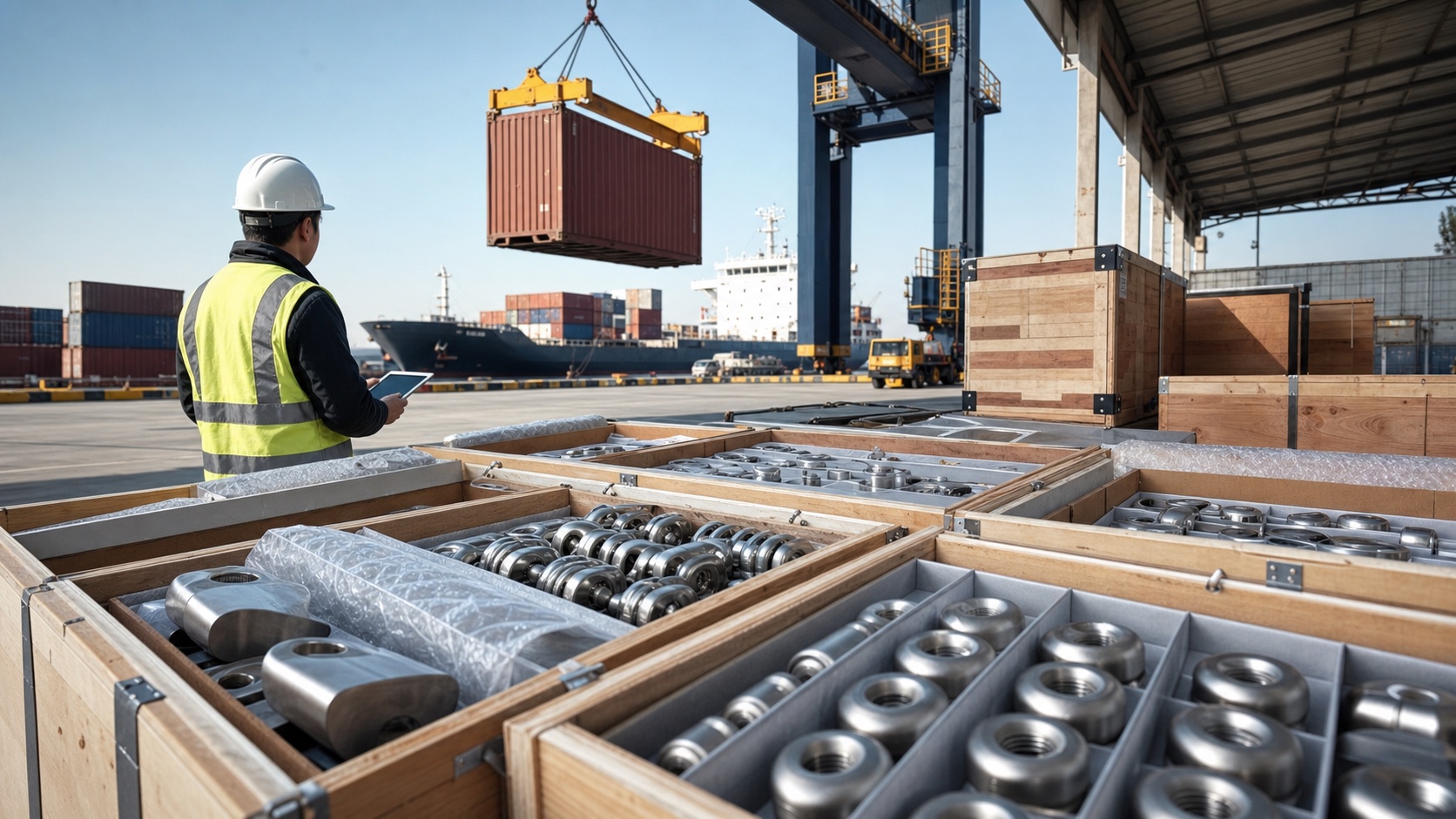
From material selection, factory inspection, first article confirmation to packaging, shipping and export documents, this guide systematically outlines the key steps and risk control methods for overseas buyers procuring stainless steel products from China.
May 26, 2026
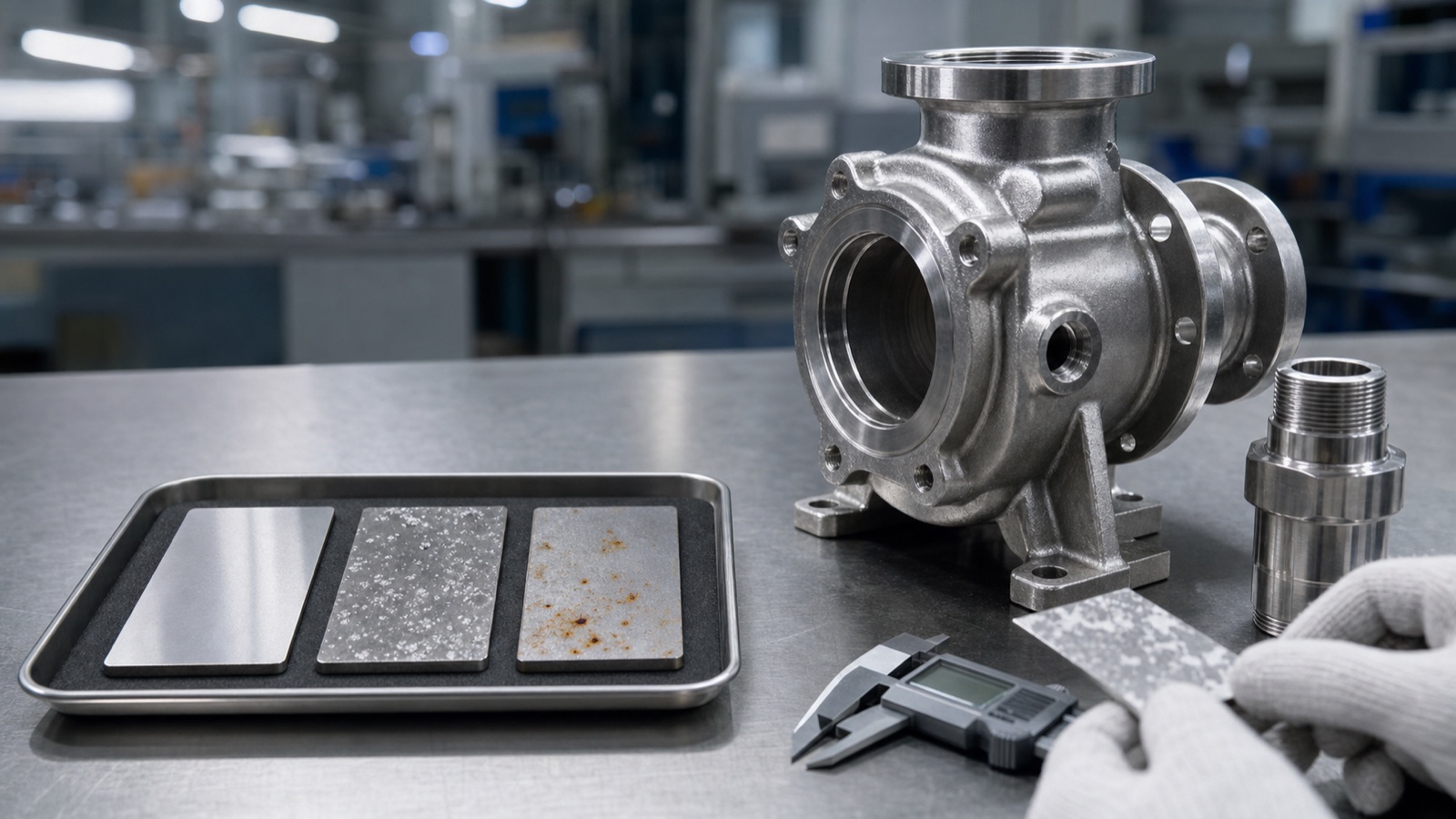
Stainless steel is not absolutely rust-proof. This article explains the causes of rust spots, pitting corrosion, and crevice corrosion, compares the application environments of 201, 304, 316L, 2205, and 2507 stainless steel, and summarizes the key points for material selection and rust prevention of stainless steel castings.
May 25, 2026
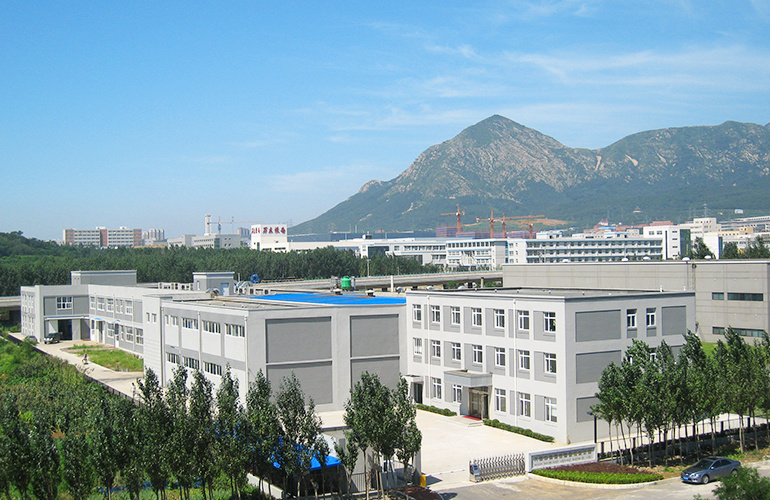
In the procurement of stainless steel products, precision castings, machined parts, or industrial components, a metal material grade comparison table is often the first step in communication. The same material might be written as 06Cr19Ni10 in Chinese drawings, 304/S30400 in the US, and 1.4301 in European documents. Without clarifying the standard system and product form, discrepancies may occur in pricing, material selection, and quality acceptance. This article compiles common comparison relationships for common metal materials in GB/T, ASTM/UNS/SAE/AA, EN/DIN, and JIS systems, covering stainless steel, carbon steel and alloy steel, cast steel and stainless steel castings, aluminum alloys, copper alloys, titanium alloys, and nickel-based alloys, facilitating quick retrieval during procurement inquiries, drawing reviews, and initial material selection. Usage reminder: The same row in the table below indicates similar grades or applications frequently compared in engineering procurement…
May 18, 2026
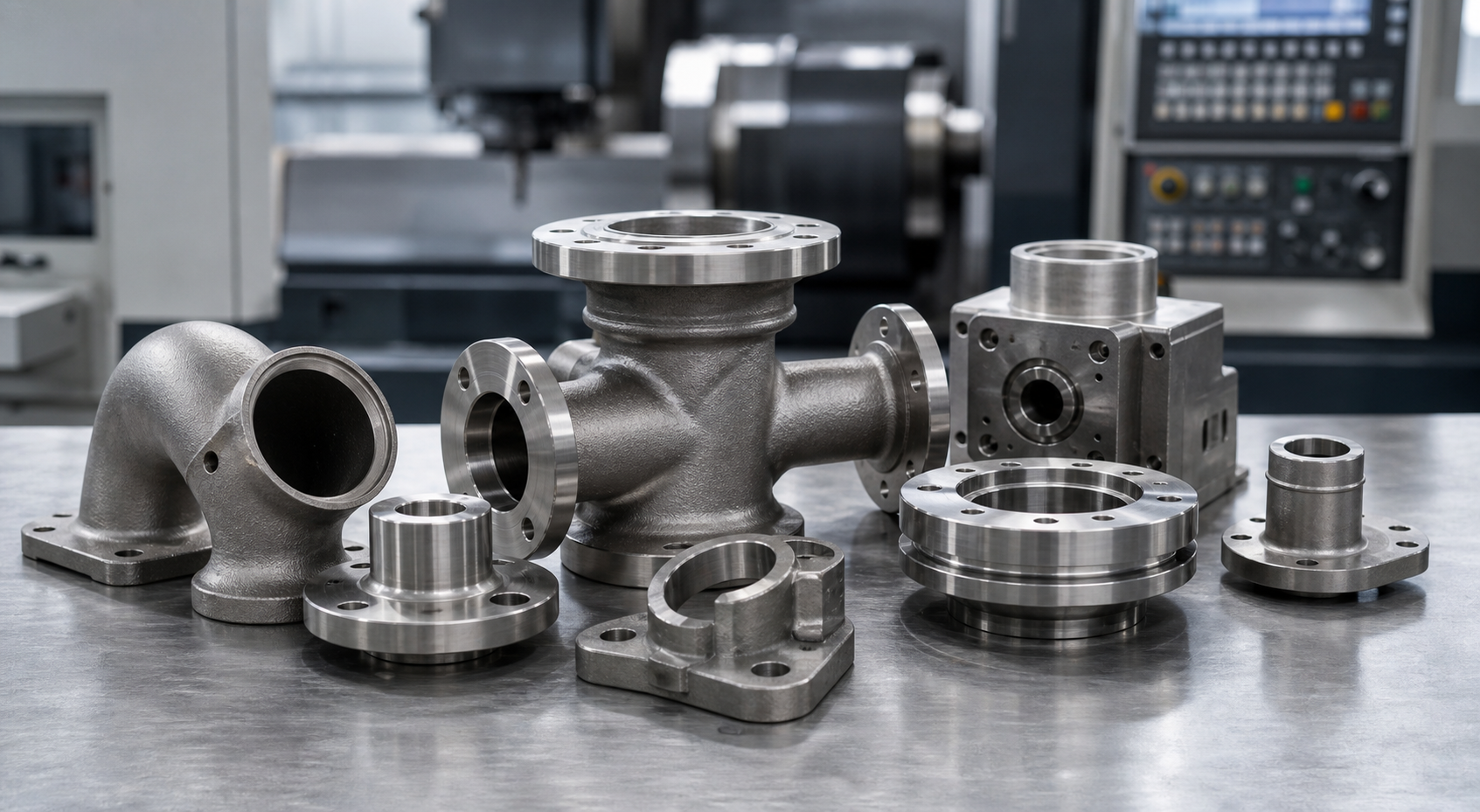
Haijin Stainless Steel undertakes the customization of precision castings of 2520 and 310S heat-resistant steel, suitable for heat treatment tooling, furnace accessories, pumps and valves, and non-standard high-temperature mechanical parts.
May 14, 2026
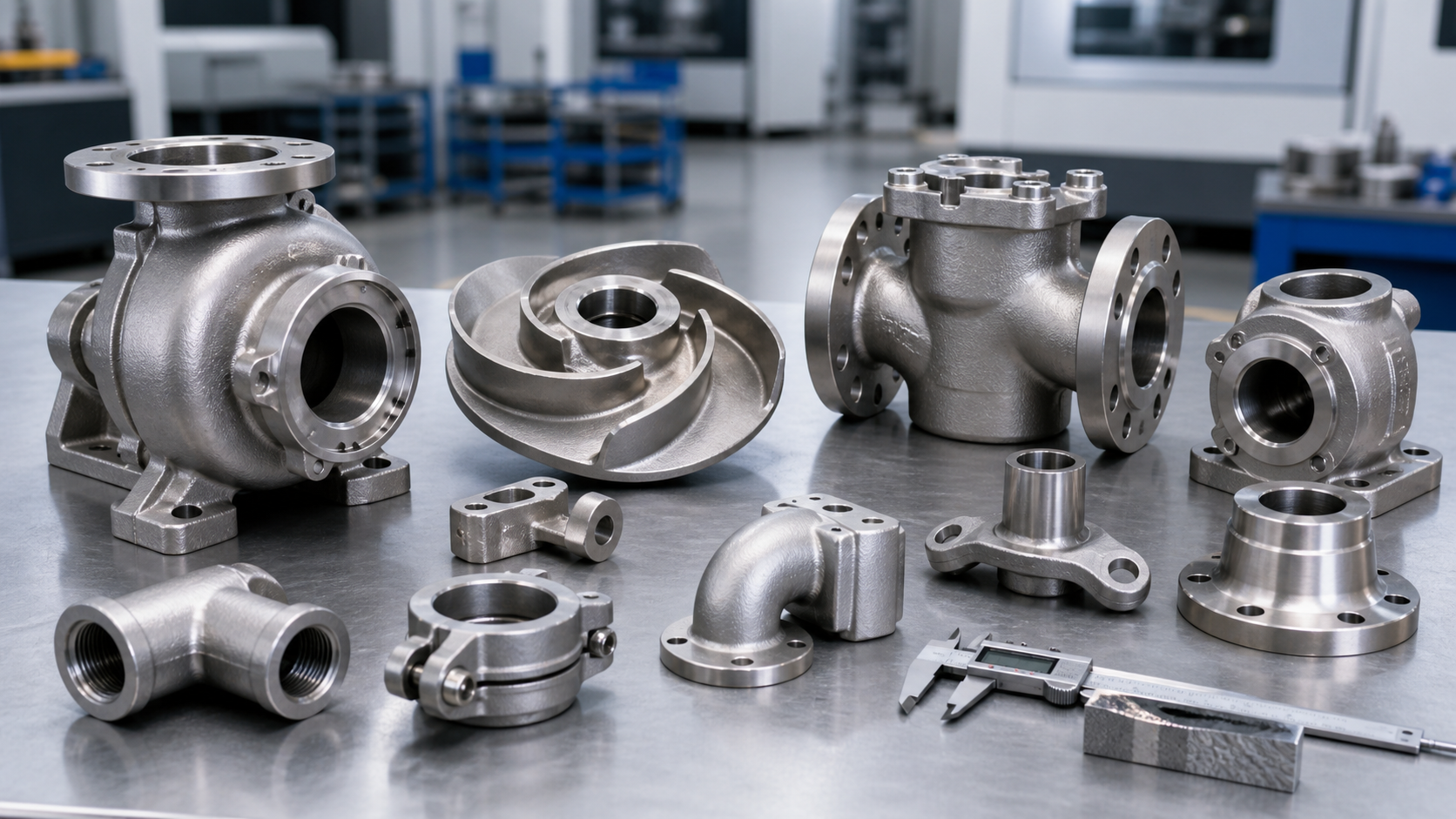
Duplex steel castings are commonly used in critical components subjected to corrosion, erosion, and certain loads in pumps, valves, fluid equipment, ship parts, chemical machinery, and marine engineering equipment. Haijin Stainless Steel specializes in precision casting, investment casting, and subsequent CNC machining of stainless steel. We can customize various duplex steel precision castings for customers based on drawings, samples, or operating conditions. Common castable duplex steel grades: Duplex steel combines austenitic and ferritic microstructures, exhibiting high strength and excellent resistance to pitting and chloride ion corrosion. We can develop castings of common duplex steel and super duplex steel grades such as 2205, 2507, 2304, 2101, 1.4462, 1.4410, S31803, S32205, S32750, and S32760, and match heat treatment, machining, and surface treatment solutions according to different application scenarios. Which products are suitable for duplex steel precision casting?…
May 14, 2026
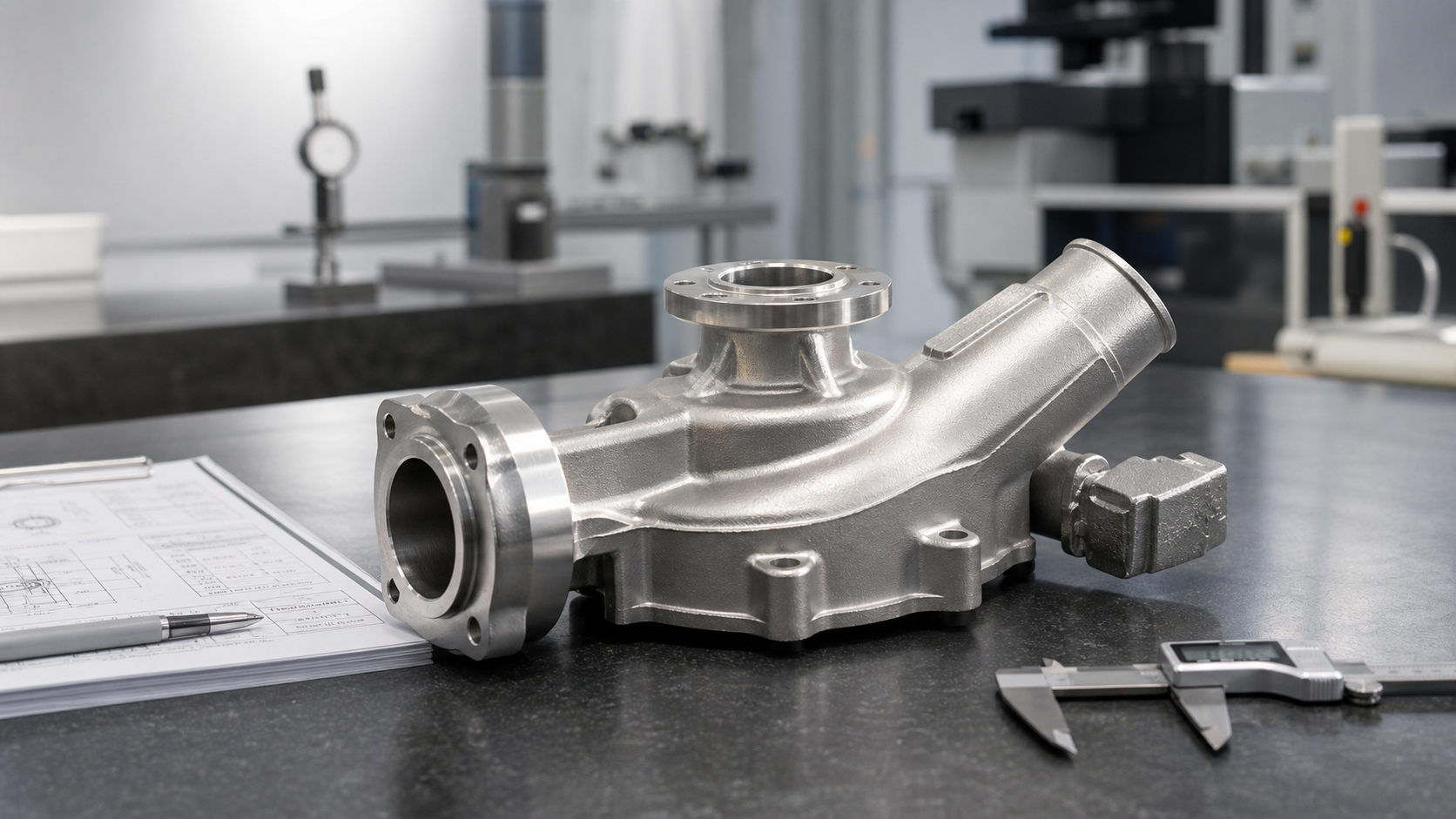
Precision cast stainless steel pump heads combine corrosion resistance, dimensional stability, and strong structural adaptability, making them widely used in industrial water supply, circulating cooling, chemical transportation, food processing equipment, marine equipment, and environmental water treatment. For components like pump heads that bear pressure, flow, and require high assembly precision, precision casting not only allows for the one-time forming of complex flow channels, flanges, reinforcing ribs, and mounting holes, but also reduces subsequent welding and machining allowances, improving product consistency. A typical application of precision cast stainless steel pump heads is in pump systems, where the pump head performs key functions such as media guidance, pressure conversion, and connection sealing. Precision casting using materials such as 304, 316, and 316L stainless steel can meet the needs of clean water, mildly corrosive liquids, seawater environments, and some chemical media. Its applications are mainly concentrated in the following scenarios: The manufacturing advantages of precision casting: Pump heads have complex internal flow channels; if…
Enter the material, product name, or processing technology, such as "316L impeller" or "silica sol casting".