










As a key component of various automated devices and intelligent systems, the stability and reliability of sensors are paramount. In many applications, sensors must withstand harsh operating environments, such as high temperatures, high pressures, and corrosive media. Therefore, the selection of materials for the critical components of sensors is particularly important. Stainless steel, with its excellent corrosion resistance, high strength, and good machinability, has become an ideal material for manufacturing various sensor devices.Precision castingThe technology, especially the lost-wax casting process, enables the manufacture of stainless steel parts with complex shapes and precise dimensions, providing strong support for the miniaturization and high performance of various sensor devices.
Advantages of stainless steel precision casting:
- High precision and complex shapes: Precision casting can produce parts that are close to their final shape, reducing subsequent machining and enabling sensor components with complex geometries and fine structures, such as pressure sensor housings with internal flow channels and temperature sensor housings with special heat dissipation structures.
- Excellent corrosion resistance: Stainless steel itself has good corrosion resistance. By selecting the appropriate steel grade (such as 304, 316L, etc.), the application requirements of various corrosive environments can be met, ensuring the long-term stable operation of the sensor.
- Good mechanical properties: Stainless steel has high strength and hardness, which can ensure the structural integrity and reliability of the sensor under various working conditions.
- Economic advantages of mass production: For sensor components in high demand, precision casting can achieve efficient and stable mass production, reducing production costs.
- High surface finish: Precision-cast parts have excellent surface quality, reducing the need for subsequent surface treatment and also improving the aesthetics of sensor devices.
Examples of applications of stainless steel precision casting in various sensor devices:
Pressure sensor: Pressure sensors are widely used in industrial automation, automotive electronics, medical equipment, and other fields. Precision casting of stainless steel can produce pressure sensor housings and diaphragm connectors of various shapes and sizes.
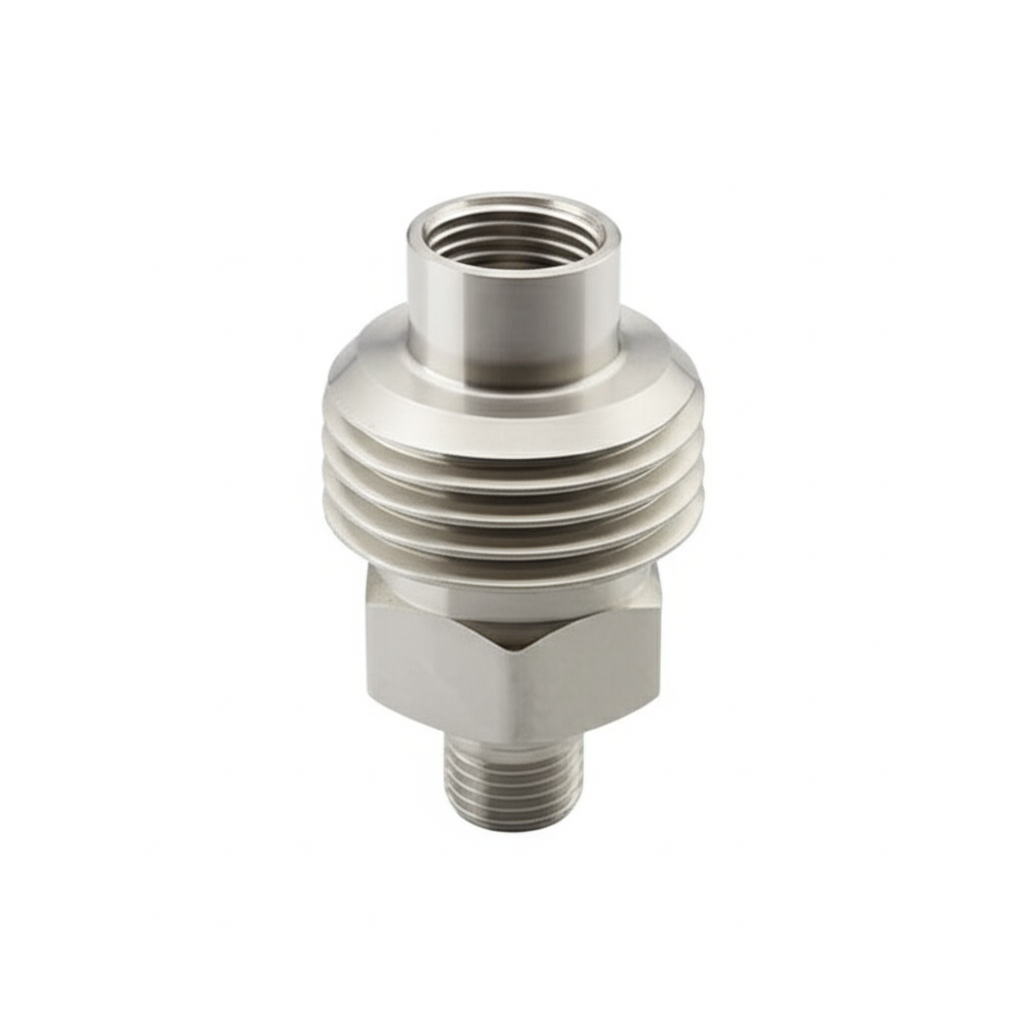
Temperature sensor: Temperature sensors are commonly used in environmental monitoring, industrial process control, and other fields. Precision casting of stainless steel can be used to manufacture protective sleeves, connecting flanges, and other components for temperature sensors, protecting the internal sensitive elements from external environmental influences and ensuring measurement accuracy.
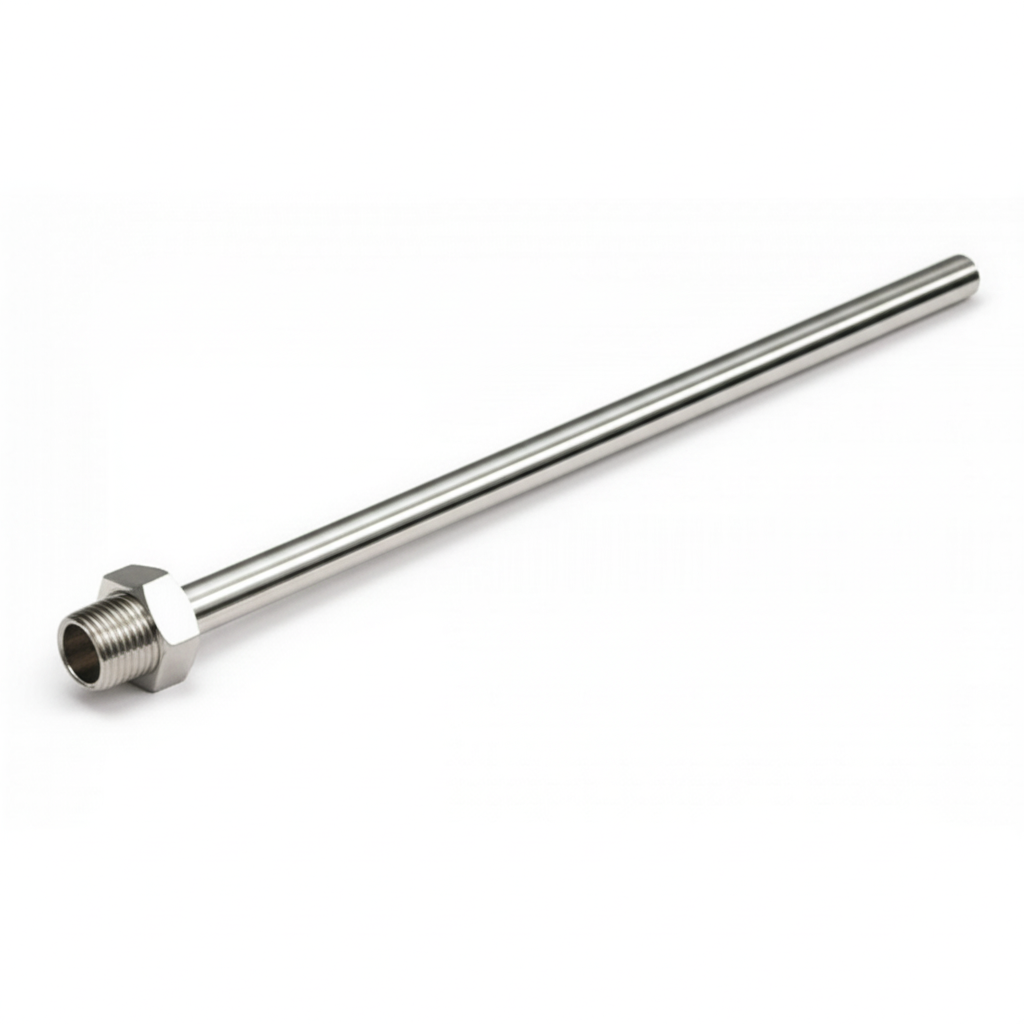
Flow sensor: Flow sensors are widely used in water treatment, petrochemical, food and beverage and other industries. Precision casting of stainless steel can be used to manufacture turbine blades, guide components, sensor housings and other components of flow sensors. Its precise dimensions and smooth surface can reduce fluid resistance and improve measurement accuracy.
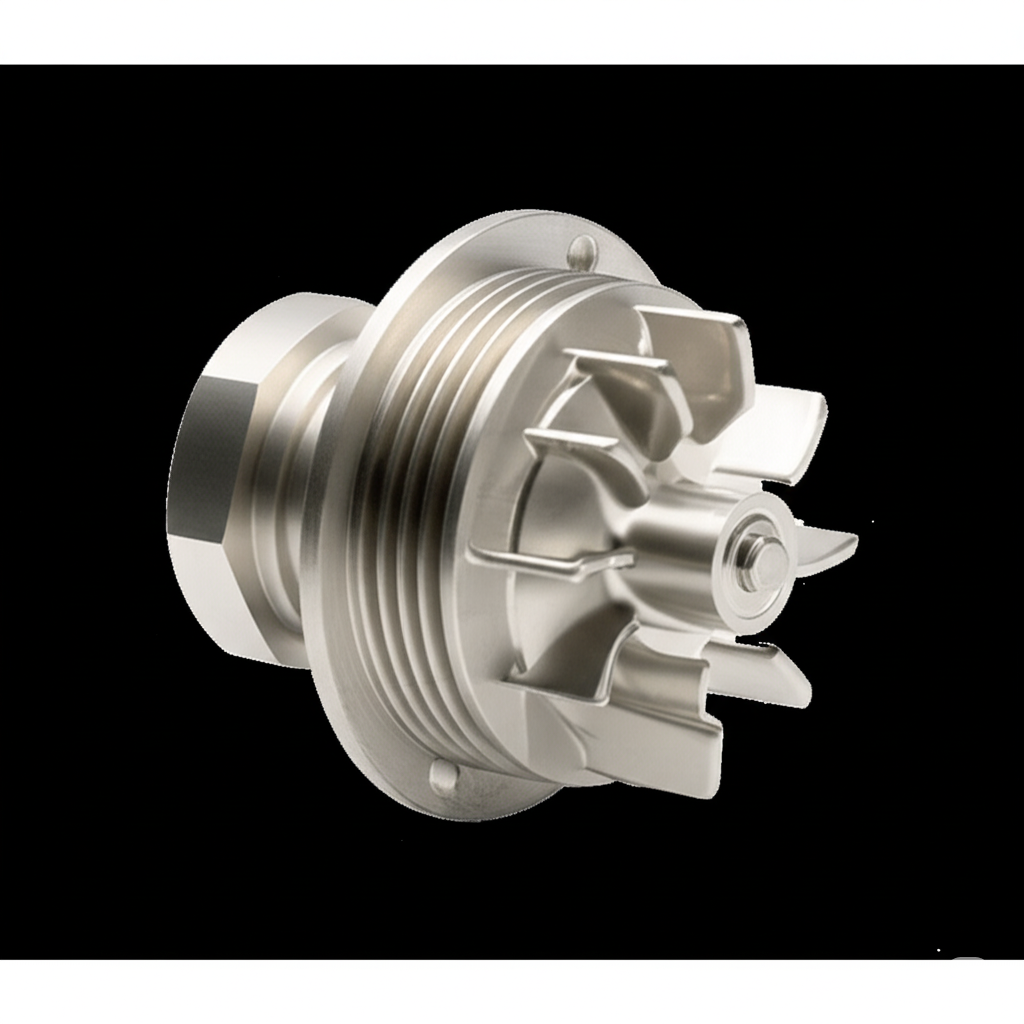
Liquid level sensor: Liquid level sensors are commonly used for liquid level monitoring in equipment such as storage tanks and water tanks. Precision casting of stainless steel can be used to manufacture the float, guide rod connectors, and other components of liquid level sensors.
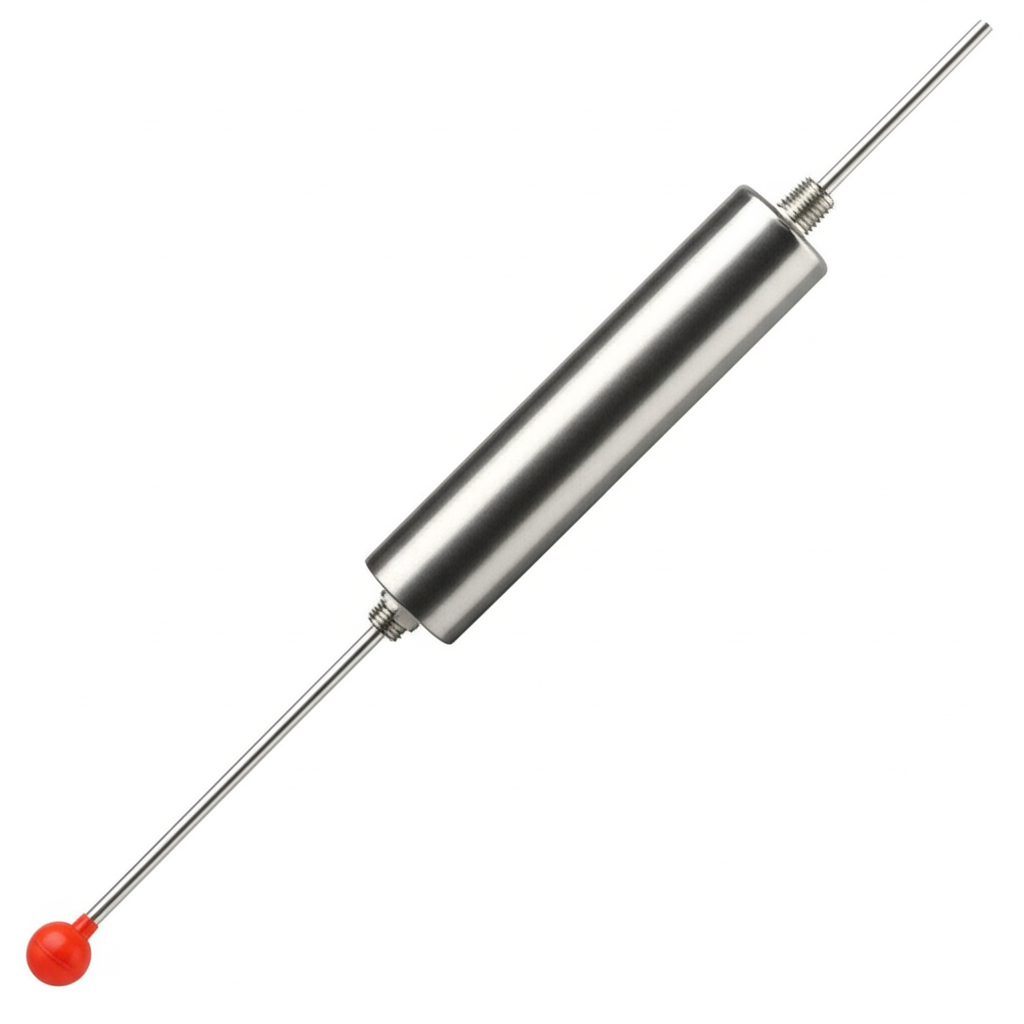
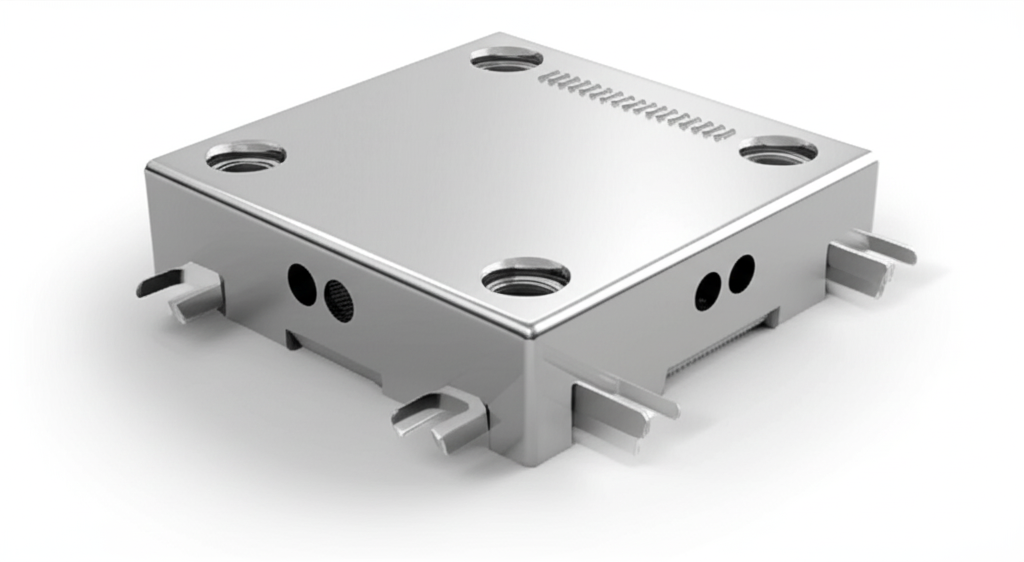
Other sensors: In addition to the common types of sensors mentioned above, stainless steel precision casting is also widely used in the manufacture of various types of sensor components such as proximity sensors, photoelectric sensors, and displacement sensors. Examples include sensor housings for harsh environments and connectors requiring high-precision fit.
Summarize:
With the continuous improvement of industrial automation and intelligence, the performance requirements for various sensors are also increasing. Stainless steel precision casting, with its unique advantages, is playing an increasingly important role in the manufacturing of sensor equipment. Through continuous optimization of casting processes and material selection, stainless steel precision casting will provide a solid foundation for the research and development and application of future high-performance, high-reliability sensors.