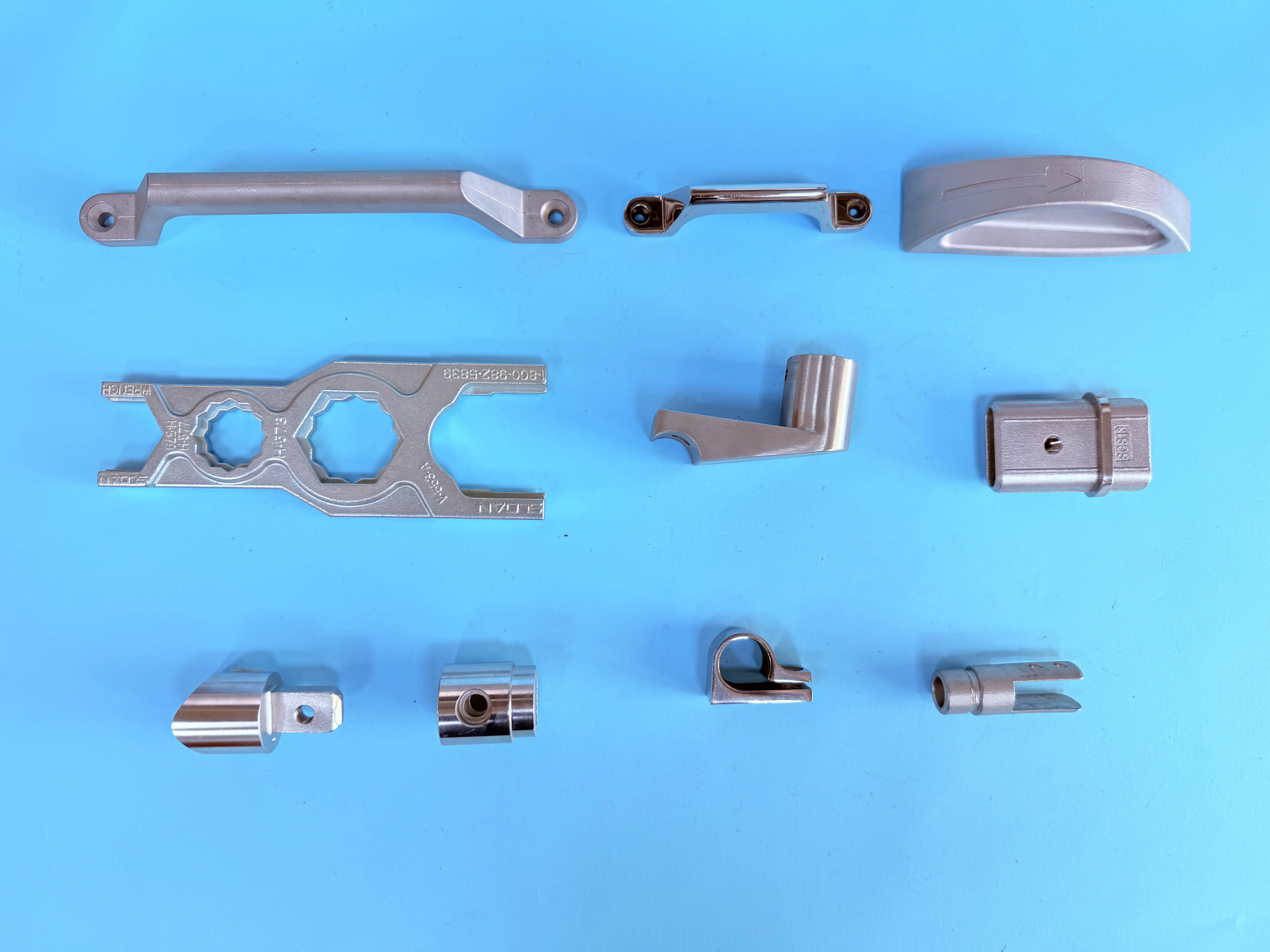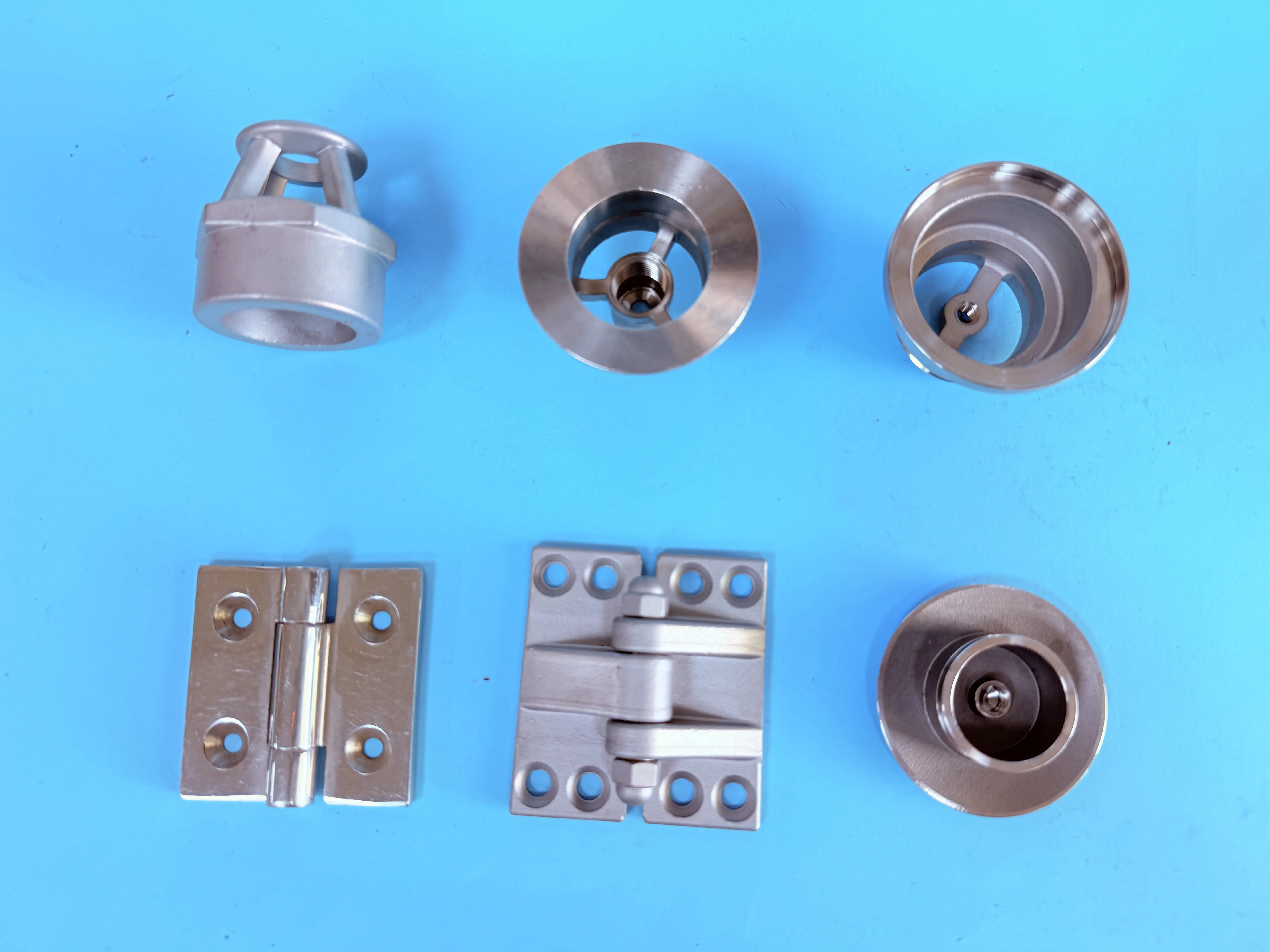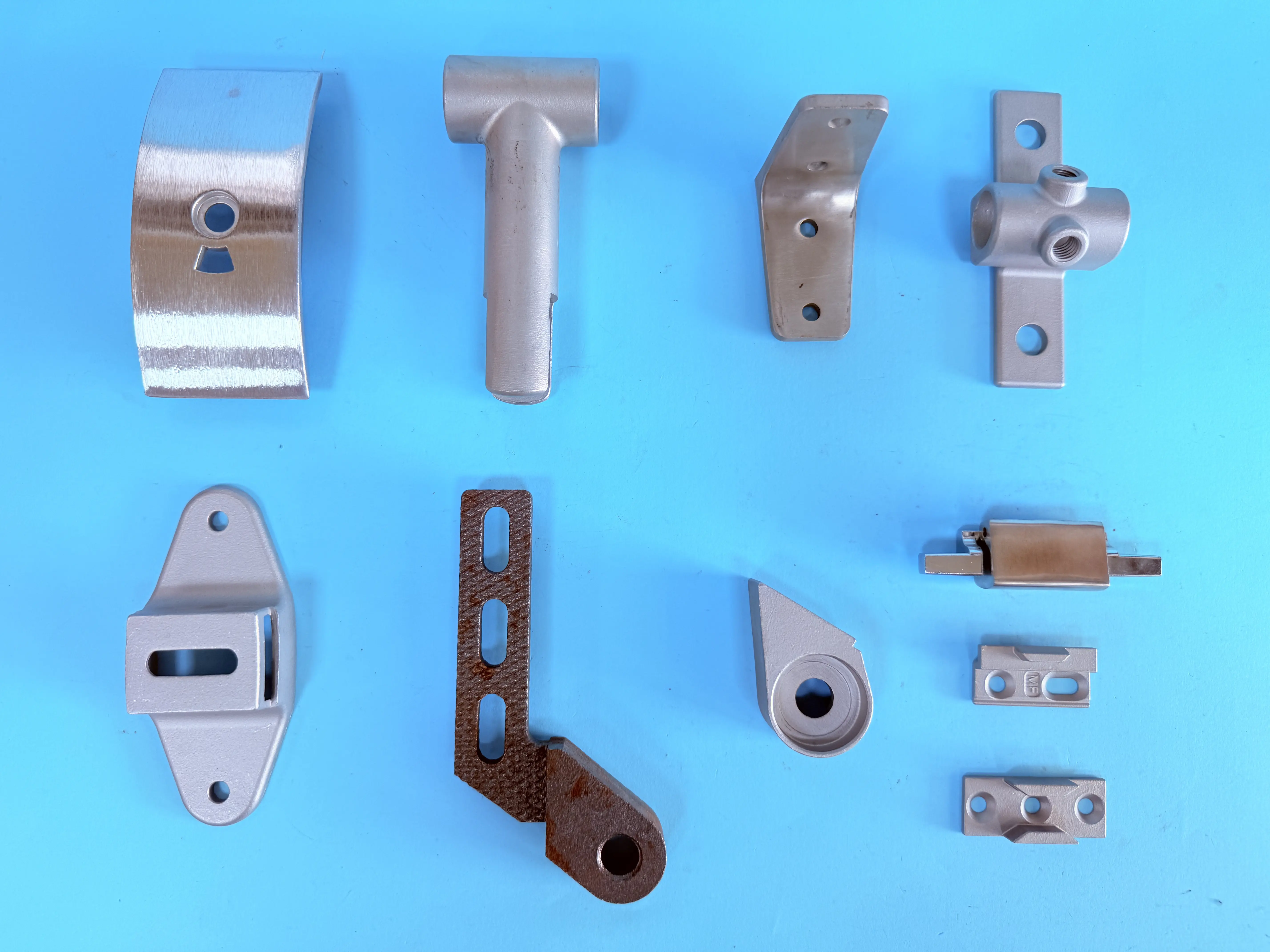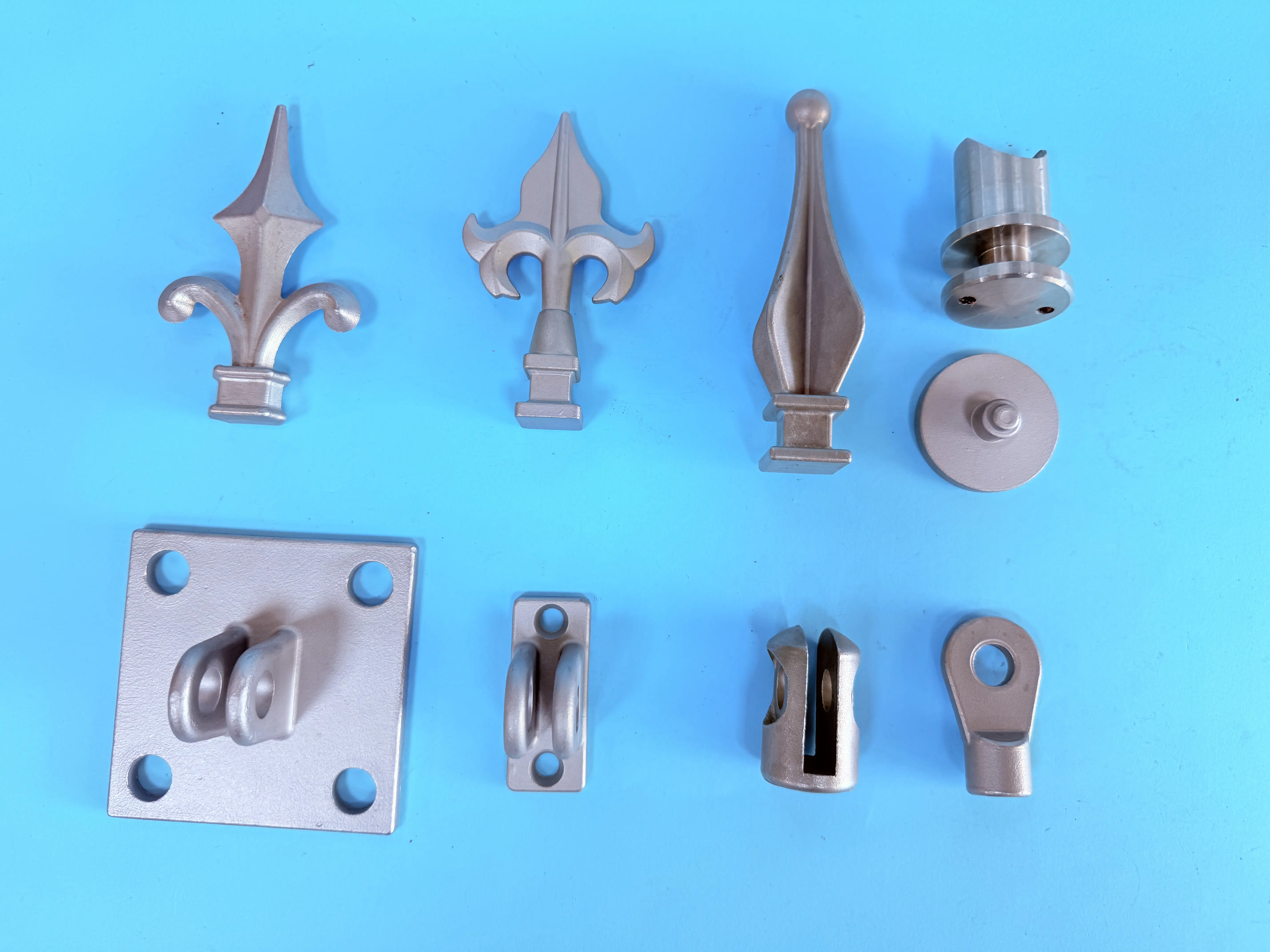










Door control hardware, architectural metal parts and bathroom hardwarePrecision casting
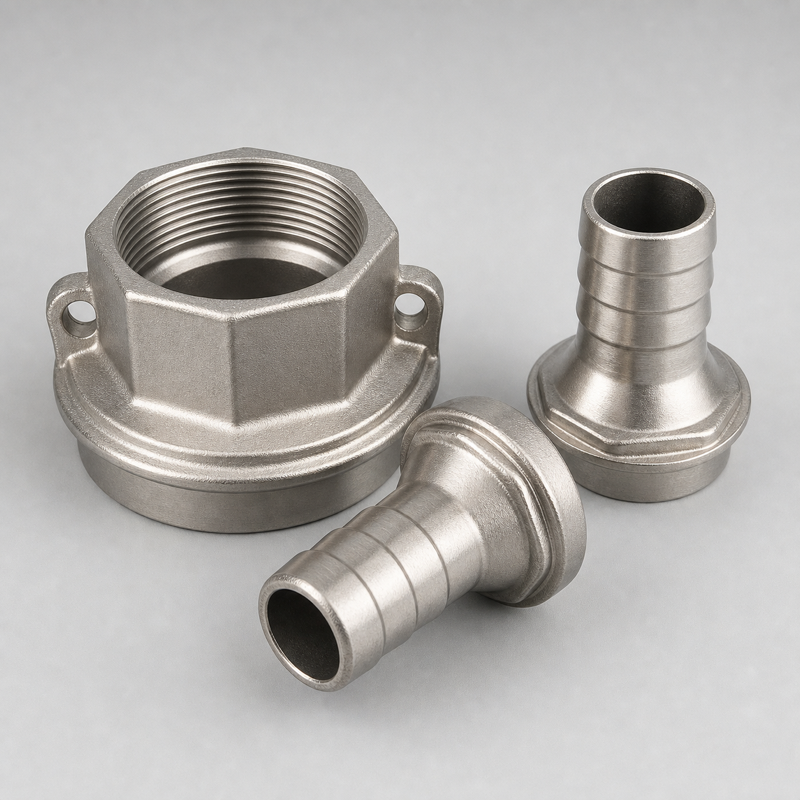
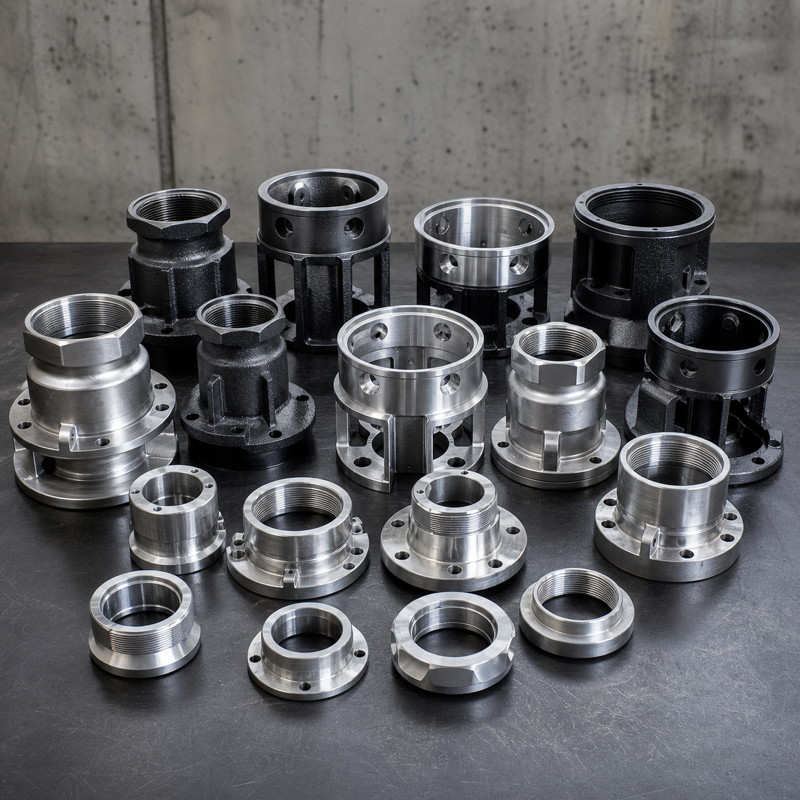
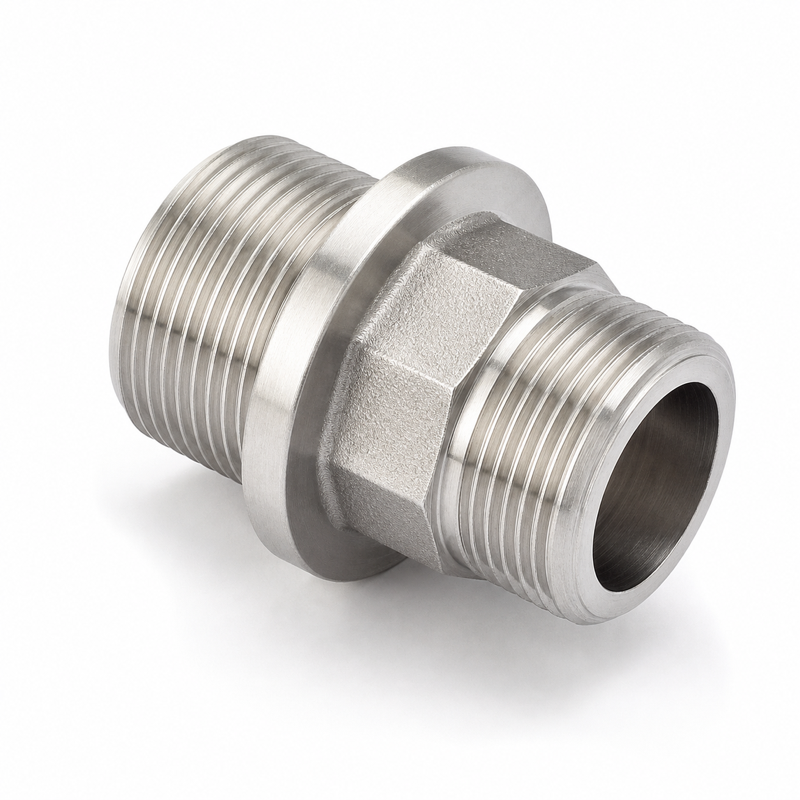
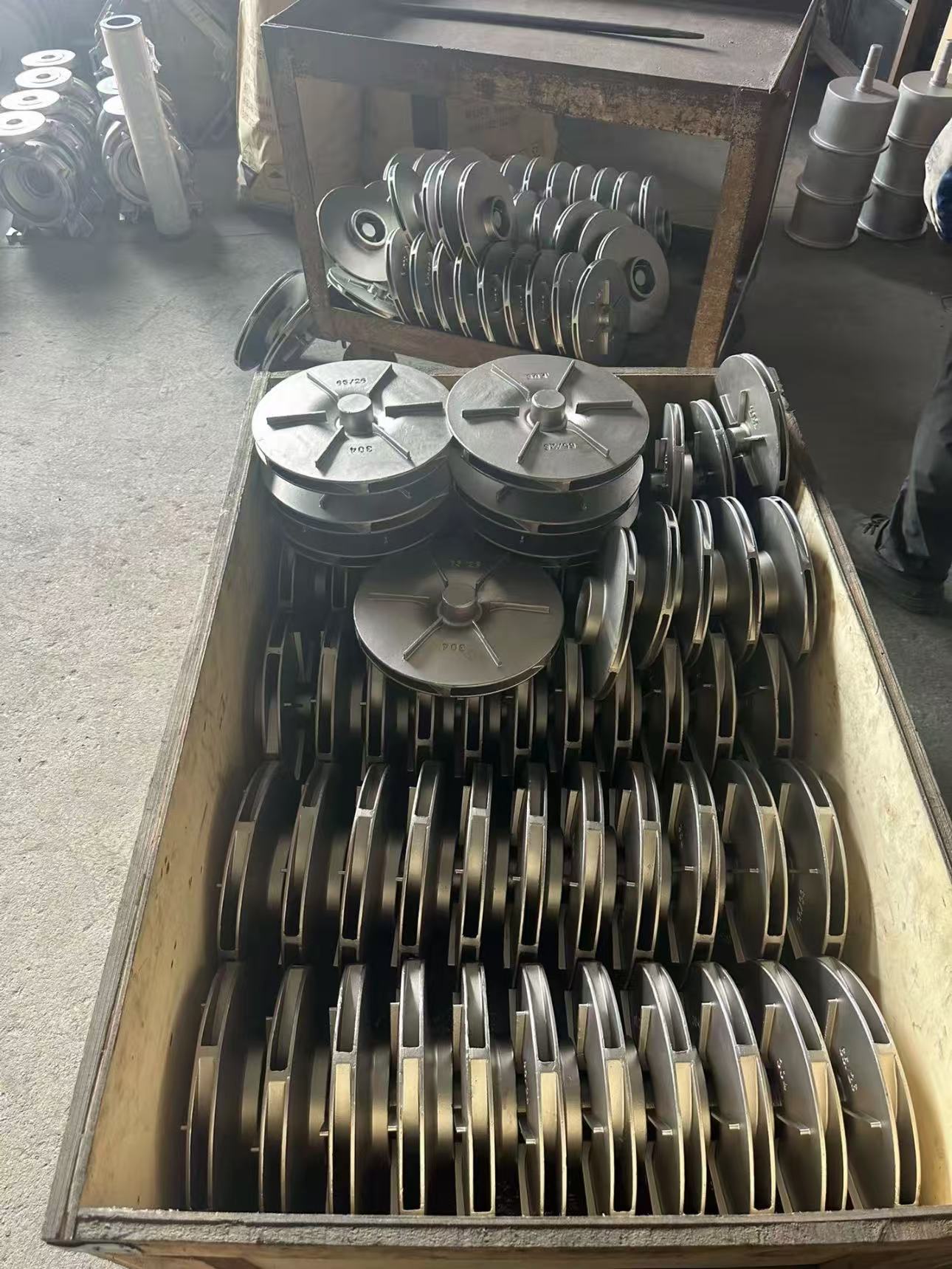
Precision casting technology plays a crucial role in modern construction, especially in...Door control hardware, architectural metal partsas well asBathroom hardwareIts importance in production is self-evident. This technology ensures that these key components meet high standards in functionality, durability, and aesthetics, thereby satisfying growing market demands.
Advantages of precision casting
Precision casting, especiallyInvestment castingLost-wax casting (also known as slag casting) is favored for its ability to produce parts with complex shapes, high dimensional accuracy, and smooth surface finish. These advantages are particularly pronounced for door hardware, architectural metal parts, and bathroom hardware.
- High dimensional accuracy and complex shapes: Many door control mechanisms, architectural decorative elements, and bathroom fittings have complex internal structures and intricate exterior details. Precision casting can be used to form these components in a single step, reducing subsequent processing and lowering costs.
- Excellent surface quality: Precision casting produces smooth surfaces, reducing the need for grinding and polishing, which is crucial for aesthetically pleasing bathroom and architectural hardware.
- Wide range of material choices: Precision casting can be used to cast a variety of metals and alloys, including stainless steel, copper alloys, and aluminum alloys. These materials each have their own advantages in terms of corrosion resistance, strength, and aesthetics, and can meet the needs of different application scenarios.
- Reduce waste and increase efficiency: Precision casting can effectively reduce material waste and greatly improve production efficiency due to its high precision and ability to form complex shapes in one step.
Precision casting of door control hardware
Door control hardware encompasses a variety of products, including door locks, hinges, door catches, and door closers. These components not only need to possess reliable mechanical properties but also need to withstand frequent opening and closing and the effects of the external environment.
- Door lock components: Precision casting enables the production of high-precision lock cylinders, lock bodies, and handles, ensuring smooth operation and high security. For example, precision-cast stainless steel lock bodies offer excellent rust and anti-theft properties.
- Hinges and door closers: These components need to withstand significant loads and repetitive movements. Precision casting ensures their structural strength and dimensional accuracy, thereby guaranteeing smooth opening and closing and a long service life for the door. For example, the core components of some high-end concealed hinges and hydraulic door closers often utilize precision casting technology.
Precision casting of architectural metal parts
The range of architectural metal components is extensive, including curtain wall connectors, railings and handrails, structural supports, and various decorative elements. The quality of these components directly affects the safety, stability, and overall aesthetics of a building.
- Curtain wall connectors: Modern building curtain wall systems demand extremely high precision and strength from their connectors. Precision casting can produce connectors with complex geometries, ensuring the secure fixing and precise alignment of the curtain wall. Stainless steel and aluminum alloy precision castings are often chosen due to their corrosion resistance and strength.
- railings and handrails: Railings and handrails in high-end buildings often feature intricate designs and exquisite details. Precision casting enables these designs while ensuring structural strength and durability, as seen in precision castings of copper alloys and stainless steel.
- Decorative items: Various decorative metal parts on the exterior and interior of a building, such as carvings and badges, can be precision-cast to achieve fine textures and complex patterns, enhancing the building's artistic value.
Precision casting of bathroom hardware
Bathroom hardware includes faucets, showerheads, floor drains, and accessories. These are not only functional products but also an important part of the aesthetics of the bathroom space. Corrosion resistance, surface smoothness, and design are key requirements for bathroom hardware.
- Faucets and shower heads: The valve bodies and nozzles of faucets and showerheads have complex internal flow channels that must withstand water pressure and long-term corrosion. Precision casting can produce castings with smooth inner walls and precise flow channels, effectively reducing scale buildup, improving water flow, and extending product life. Copper alloys (such as brass) are commonly used precision casting materials due to their excellent corrosion resistance and ease of machining.
- Floor drains and accessories: Floor drains need to have good drainage performance and odor prevention capabilities, and their surfaces need to be smooth and easy to clean. Accessories, on the other hand, require a sturdy structure and an attractive appearance. Precision casting can meet these requirements while offering a variety of design options. Stainless steel precision castings are widely used in floor drains and accessories.
Outlook
As the construction industry continues to demand higher standards for product quality, design diversity, and environmental protection, precision casting technology will be applied more widely and deeply in door hardware, architectural metal parts, and bathroom hardware. Future development trends may include:
- Applications of new materials: Explore higher-performance alloy materials to cope with more demanding operating environments.
- Intelligent manufacturing: By combining technologies such as 3D printing and artificial intelligence, the casting process can be further optimized to achieve more efficient and precise production.
- Sustainable development: Develop more environmentally friendly casting materials and processes to reduce energy consumption and waste emissions.
Precision casting, as a mature and continuously developing technology, will continue to provide modern buildings with high-quality, high-performance, and aesthetically pleasing hardware products, contributing to the progress and development of the construction industry.